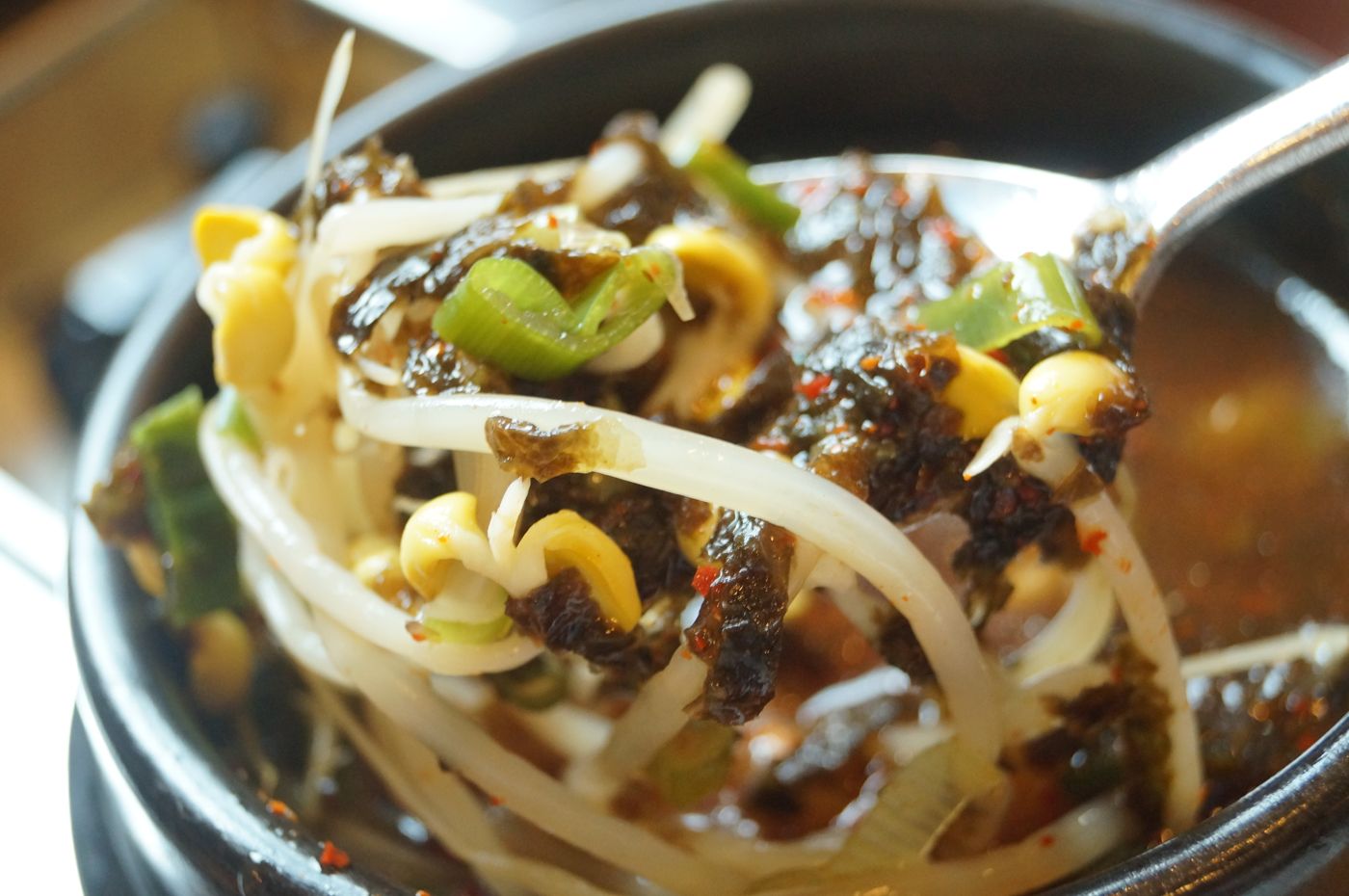
 Photo: 최규민, CC0, via Wikimedia Commons
Guk & Tang · Soups 국·탕
Kongnamul Guk (Soybean Sprout Soup)
콩나물국
Romanization: kongnamul-guk
A clear, light soup of soybean sprouts in anchovy-kelp stock, seasoned with salt or soup soy sauce — an everyday guk and a favorite morning-after cure.
- Serves
- 4
- Prep
- 10 min
- Cook
- 20 min
RegionJeonju
Jump to recipeRecipe
Ingredients · Serves 4
- 300 gSoybean sproutsrinsed; pick off loose hulls
- 1.2 lAnchovy-kelp stockmade with dried anchovies and dashima
- 2 clovesGarlicminced
- 1 tbspSoup soy sauce (guk-ganjang)
- ½ tspSaltor to taste
- 1 stalkGreen onionabout 20 g, sliced
- ½ tspGochugaruoptional, for a spicy version
Method
Technique: Making Guk and Jjigae, Making Yuksu: Anchovy-Kelp Stock
Step 1: Make or reheat the anchovy-kelp stock and strain it into a pot.
Step 2: Add the soybean sprouts and bring to a boil over high heat. Boil for 5–6 minutes. Either keep the lid on or leave it off for the whole time — lifting it partway through can give the sprouts a raw, beany smell.
Step 3: Add the garlic and soup soy sauce, then season with salt.
Step 4: Add the green onion (and gochugaru, if using) and boil 1 minute more. Don't overcook; the sprouts should stay crisp. Serve hot.
Origin & History
Soybean sprouts have a long record in Korea — the Encyclopedia of Korean Culture notes mentions from the Goryeo period, and Joseon-era references to eating them as namul or as famine food. Soup made from them, however, does not appear even in late-Joseon writing. Specific recipes show up only from the 1910s on, and today it is one of the most common soups made at home.
Lee Yong-gi's Joseon mussang sinsik yori jebeop gives an early version under the name samtaetang — "three-soybean soup" — because it combined three soybean foods (sprouts, doenjang and tofu) with pollock. The encyclopedia notes it was a winter dish, when sprouts grown indoors were among the few fresh vegetables available.
The soup is usually made clear, but households and regions vary it freely. Jeonju is famous for its sprouts, and its kongnamul-gukbap — the soup poured over rice — became a celebrated local dish. Because the broth is light and refreshing, it is widely eaten the morning after drinking.
Key Ingredients
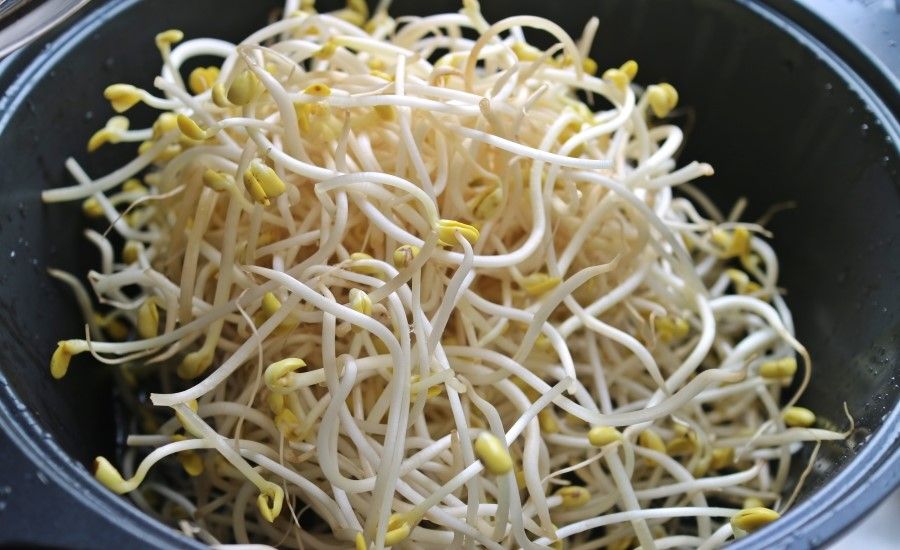 Soybean sprouts콩나물Soybeans sprouted in the dark until they grow long, pale stems topped with a yellow bean. A staple of everyday Korean cooking in kongnamul-muchim, clear sprout soup and sprout rice.
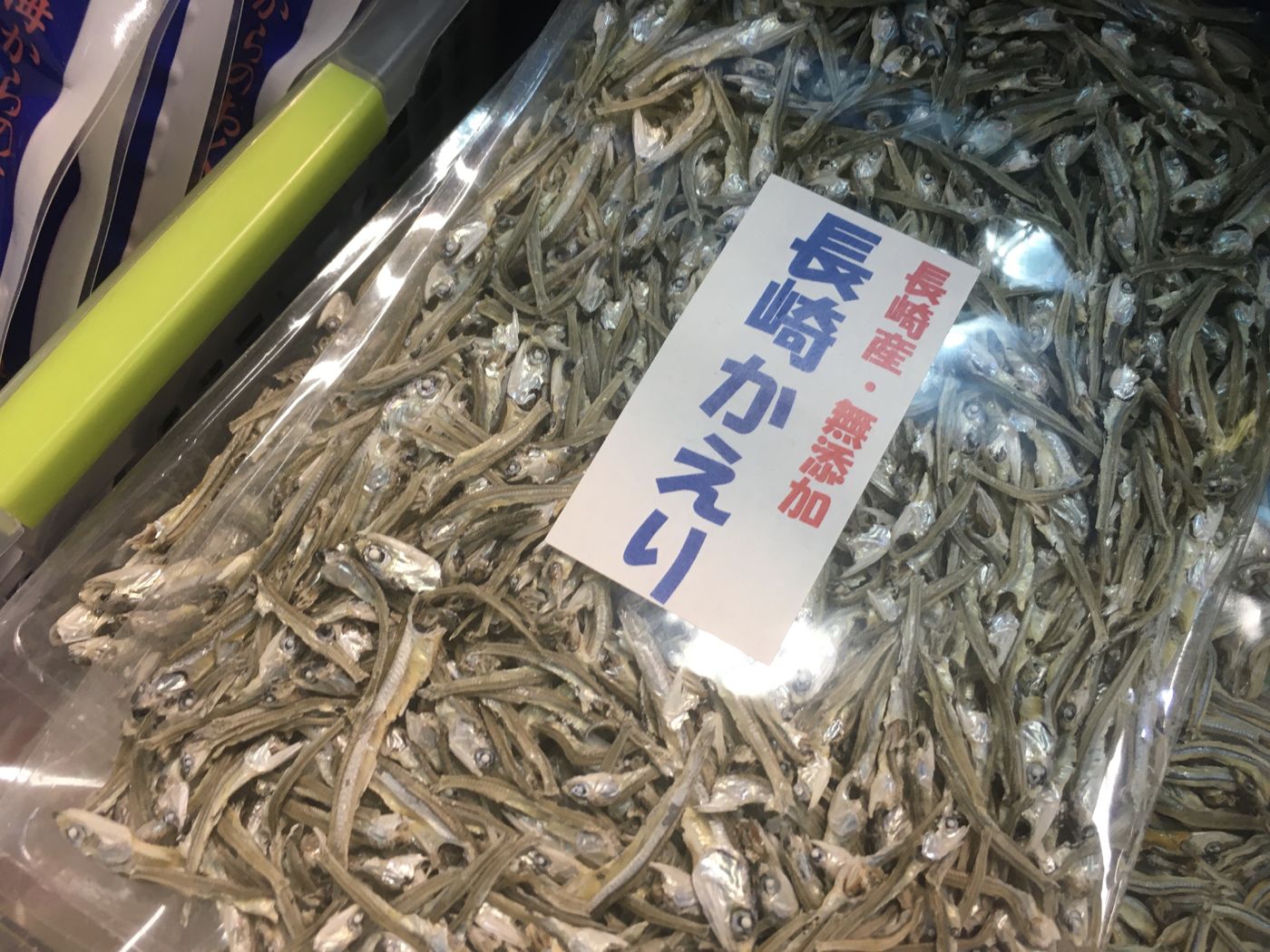 Dried anchovies멸치Small anchovies that are boiled and dried on the coast, then sorted by size. They flavor everyday broths and, stir-fried whole, become the sweet-salty side dish myeolchi-bokkeum.
 Dashima (dried kelp)다시마Thick, dried kelp that gives Korean broths their quiet savory depth. Beyond the stockpot it is fried into crisp twigak, simmered into soy-glazed side dishes and used as a wrap.
 Garlic마늘Used raw, minced, pickled and roasted, garlic is one of the essential aromatics of Korean food — in seasonings, marinades, kimchi and namul.
 Soy sauce간장Korean soy sauce, in two main kitchen forms: pale, salty guk-ganjang (soup soy sauce) brewed the traditional way from meju, and darker, sweeter jin-ganjang for braises and marinades.
 Green onion파Korean green onion (pa), from thick-stemmed daepa to slender scallions — chopped into nearly every seasoning sauce, soup and kimchi, and the star of pa-kimchi.
 Gochugaru고춧가루Korean red chili powder, made from dried red peppers ground coarse or fine. It gives kimchi, gochujang and countless banchan their color and warmth.
Nutrition
| Calories | ~39 kcal |
|---|---|
| Protein | ~4 g |
| Fat | ~0.9 g |
| Carbohydrates | ~3.9 g |
| Fiber | ~1.9 g |
| Sodium | ~655 mg |
Notable forVitamin K · Folate
Estimated by summing ingredient values and dividing by four, without the optional gochugaru. Soybean sprouts and soup soy sauce: Korean Food Composition Table (콩나물, 생것, F1820000000a; 국간장, R0010030009a); salt (FDC 173468), garlic and green onion from USDA FoodData Central. The anchovy stock was not counted, so sodium is a floor. The MFDS analysis of home-style kongnamul-guk (6 kcal and 219 mg sodium per 100 g) gives about 830 mg sodium for a bowl this size. Actual values vary with ingredients, portion size and preparation.
Health Benefits
- Very low in calories; the sprouts contribute vitamin K, folate and a little plant protein and fiber.
- The Encyclopedia of Korean Culture notes that soybean sprouts supplied vitamin C in winter, when fresh vegetables were scarce, and recommends cooking the soup for under 20 minutes because vitamin C is easily lost to heat.
- Its popularity as a hangover soup is traditional; it is a light, hydrating dish rather than a proven remedy.
Regional Variations
- Clear (malgeun-guk): seasoned with salt or soup soy sauce, sometimes with beef stock; the most common home version.
- With doenjang: stirring in soybean paste turns it into a heartier tojang-guk.
- Spicy: a spoonful of gochugaru and garlic gives the hangover-soup style.
- Jeonju kongnamul-gukbap: sprouts and broth poured over rice in an earthenware bowl, sold commercially as a morning hangover dish.
- With kimchi: a little sour kimchi added for a tangy version.
Pairings
 Myeolchi Bokkeum멸치볶음Small dried anchovies stir-fried until crisp, then glazed in a sweet soy and garlic syrup — a keeping banchan found in refrigerators across Korea.
 Gyeran Mari (Rolled Omelet)계란말이Beaten egg cooked in thin layers and rolled into a soft, striped log, then sliced — a gentle, everyday banchan and a lunchbox classic.
 Cubed Radish Kimchi깍두기Korean radish cut into neat cubes and tossed with chili, garlic and salted shrimp — crunchy, juicy and a classic partner to rich soups.
- Gim Gui (Seasoned Roasted Laver)김구이Sheets of laver brushed with sesame or perilla oil, sprinkled with salt and toasted until crisp — eaten wrapped around spoonfuls of rice.
Sources
- 01콩나물국 (Kongnamul-guk) — Encyclopedia of Korean Culture
- 02전주콩나물국밥 (Jeonju kongnamul-gukbap) — Encyclopedia of Korean Culture
- 03Soybean sprout (Kongnamul), Raw — Korean Food Composition Table
- 04콩나물국 (Kongnamul-guk, home-style, analyzed) — MFDS K-FIND food composition database
- 05Trends in sodium intake and major contributing food groups and dishes in Korea: KNHANES 2013–2017 (Jeong et al., Nutrition Research and Practice, 2021)
Last updated