 Photo: Jo del Corro, CC BY 2.0, via Wikimedia Commons
Gui · Grilled 구이
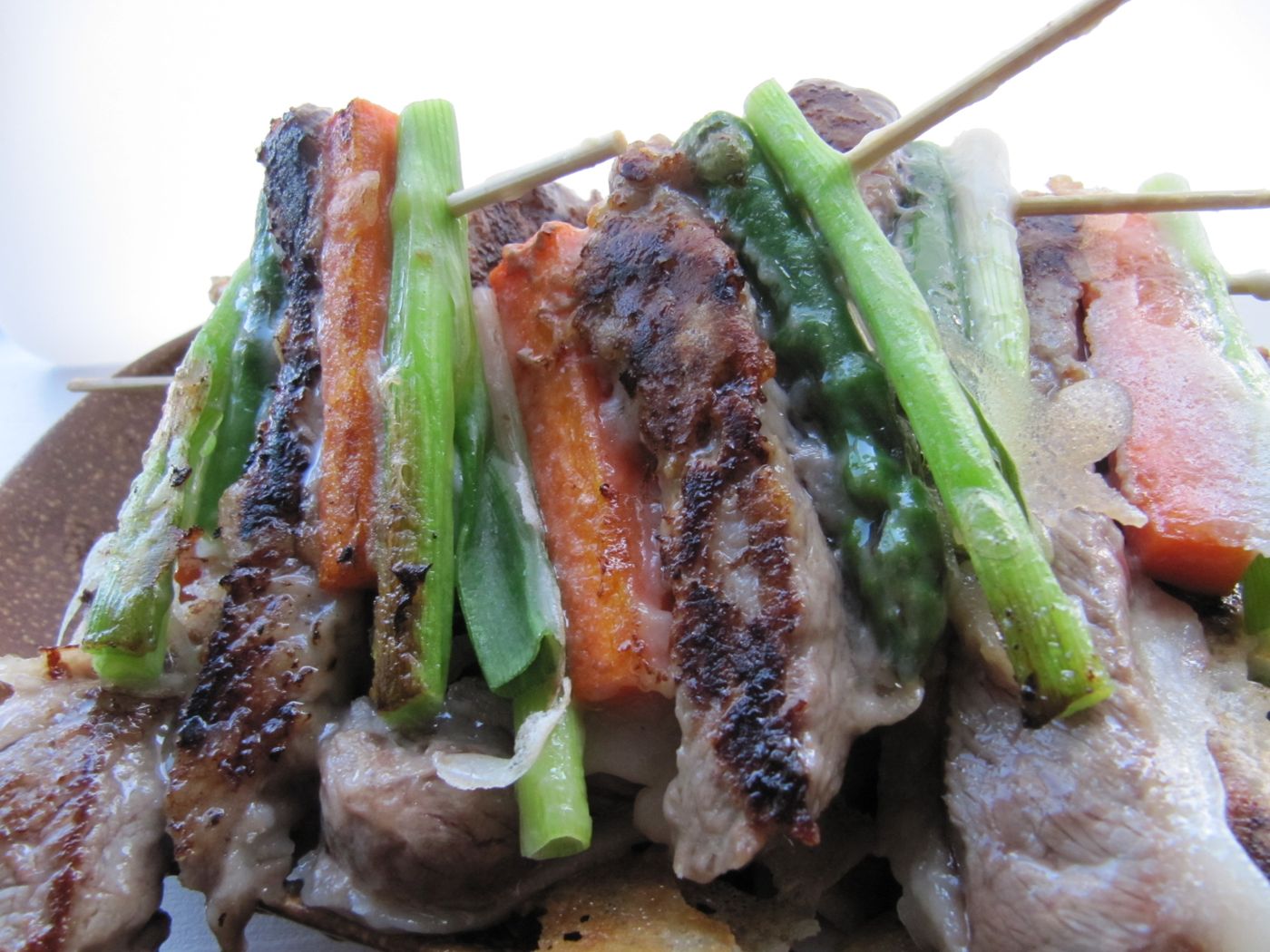
Pa-sanjeok (Green Onion and Beef Skewers)
파산적
Romanization: pa-sanjeok
Batons of marinated beef threaded on skewers with lengths of green onion and grilled — a classic sanjeok for holiday and ancestral-rite tables.
- Serves
- 4
- Prep
- 30 min
- Cook
- 15 min
Recipe
Ingredients · Serves 4
- 300 gLean beef (top round or sirloin)cut into batons about 1 cm thick and 7 cm long
- 200 gThick green onionswhite and light green parts, cut into 7 cm lengths
- 2 tbspSoy sauce
- 1 tbspSugar
- 2 clovesGarlicminced
- 1 tbspGreen onion, mincedfor the marinade
- 1 tbspToasted sesame oil
- 1 tspToasted sesame seedscrushed
- ⅛ tspBlack pepper
- 1 tbspNeutral cooking oilfor the grill pan
- 8 Bamboo skewersabout 15 cm
Method
Technique: Grilling Gui, Yangnyeom: Seasoning Basics
Step 1: Score the beef batons lightly on two sides and pound them gently with the back of a knife so they cook evenly and stay tender.
Step 2: Mix the soy sauce, sugar, garlic, minced green onion, sesame oil, sesame seeds and pepper. Toss the beef in the marinade and rest 20 minutes.
Step 3: Thread the beef and green onion alternately onto the skewers, starting and ending with beef, so each skewer forms a neat flat row. Trim the ends square.
Step 4: Heat a lightly oiled grill pan or skillet over medium-high heat (or grill over charcoal). Cook the skewers 2–3 minutes per side, brushing with any remaining marinade once, until the beef is browned and the onions soft.
Step 5: Serve warm; for an offering table, let them cool and stack them neatly on a plate.
Origin & History
Sanjeok are skewered, grilled foods, and pa-sanjeok is the version that alternates beef with green onion. The Encyclopedia of Korean Culture explains that the pieces are cut 5–6 cm long, so that a finished skewer resembles the counting sticks once used for arithmetic (sangaji) — hence the alternative spellings 筭炙 and 算炙. It records that sanjeok developed from the broader jeok family of grilled foods and that a recipe for winter-melon jeok in Gyugon siuibang, which it calls the oldest surviving Korean cookbook, already matches modern sanjeok, suggesting the method was settled by the mid-Joseon period. Of pa-sanjeok it says simply that meat and green onion are threaded together and grilled, and that tender forced green onion (umpa) is best in winter and slender jjokpa in autumn.
The Encyclopedia of Korean Folk Culture draws careful lines within the family. True sanjeok are raw ingredients threaded on skewers and cooked directly over the fire, as with beef, green onion and rice-cake sanjeok; nureumjeok are made from ingredients that are seasoned and cooked before threading; and jijim-nureumjeok are raw skewers coated in flour and egg and fried. Many families today make the last of these for the holidays and still call it pa-sanjeok, but the older dish is grilled, which is why it is classed here with grilled foods.
Jeok are central to the ancestral-rite table. The folk encyclopedia lists meat jeok first among the offerings, followed by fish and vegetable jeok, and describes how they were stacked by origin — fish from the sea at the bottom, meat from the land above, and chicken (bongjeok) at the top. A 1924 cookbook it quotes notes that sanjeok were piled high on memorial and banquet tables. Beef sanjeok also served as a rice side dish and as a garnish for noodles and rice-cake soup. See jesa food.
Key Ingredients
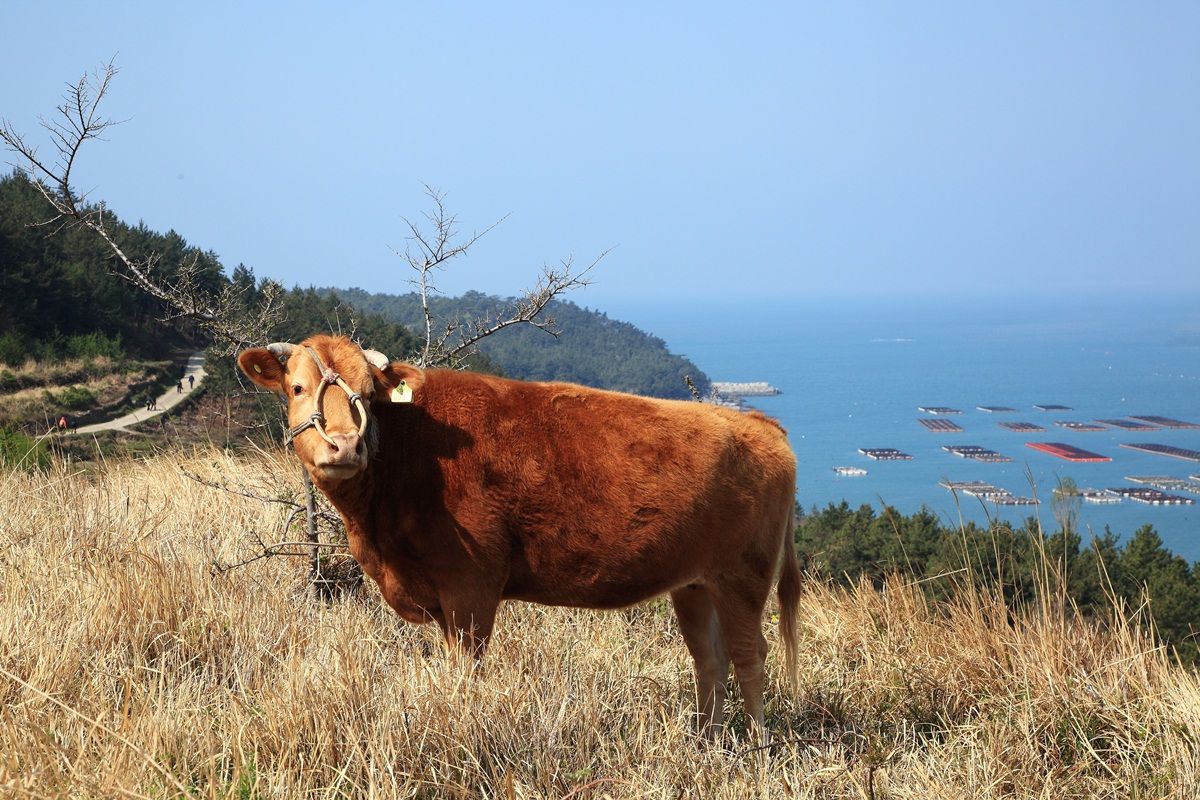 Hanu (Korean native beef)한우Beef from Korea's native cattle, most of them a warm yellow-brown, prized for rich marbling and a deep, beefy flavor. Hanu is the premium beef for grilling, braised galbi-jjim, holiday gift sets and ancestral-rite dishes.
 Green onion파Korean green onion (pa), from thick-stemmed daepa to slender scallions — chopped into nearly every seasoning sauce, soup and kimchi, and the star of pa-kimchi.
 Soy sauce간장Korean soy sauce, in two main kitchen forms: pale, salty guk-ganjang (soup soy sauce) brewed the traditional way from meju, and darker, sweeter jin-ganjang for braises and marinades.
 Garlic마늘Used raw, minced, pickled and roasted, garlic is one of the essential aromatics of Korean food — in seasonings, marinades, kimchi and namul.
 Sesame참깨Toasted sesame seeds and sesame oil (chamgireum) finish countless Korean dishes, adding a nutty aroma and gloss.
Nutrition
| Calories | ~190 kcal |
|---|---|
| Protein | ~19 g |
| Fat | ~9 g |
| Carbohydrates | ~8 g |
| Fiber | ~1.6 g |
| Sodium | ~490 mg |
Notable forProtein · Vitamin K · Vitamin B12 · Zinc
Estimated by summing USDA FoodData Central (SR Legacy) values for raw eye of round (FDC 171746, as a lean round cut), green onions (FDC 170005, scallions as a stand-in for thick Korean green onion), soy sauce (FDC 174277), sugar, garlic, sesame oil, sesame seeds and soybean oil (assuming 10 g used), divided by 4. Assumes all the marinade is eaten. The flour-and-egg pan-fried style adds roughly 60–80 kcal per serving. Actual values vary with ingredients, portion size and preparation.
Health Benefits
- Lean and simply cooked: grilled lean beef with green onion is lower in fat than the battered jeon on the same table.
- Green onion: a source of vitamin K and adds sweetness when grilled, so less sugar is needed in the marinade.
- Beef nutrients: a source of protein, vitamin B12, zinc and iron.
Regional Variations
- Grilled pa-sanjeok: beef and green onion threaded raw and grilled over charcoal or on a grill pan — the older form.
- Pan-fried (jijim-nureumjeok) style: skewers dusted in flour and dipped in egg, then fried flat; the common holiday version in many homes.
- Tteok-sanjeok: white rice cake alternated with beef, a New Year favorite according to the folk encyclopedia.
- Other sanjeok: pine mushroom with beef in autumn, aralia shoots in spring; in Gyeongsang, shark meat (dombaegi) sanjeok for the rites.
Pairings
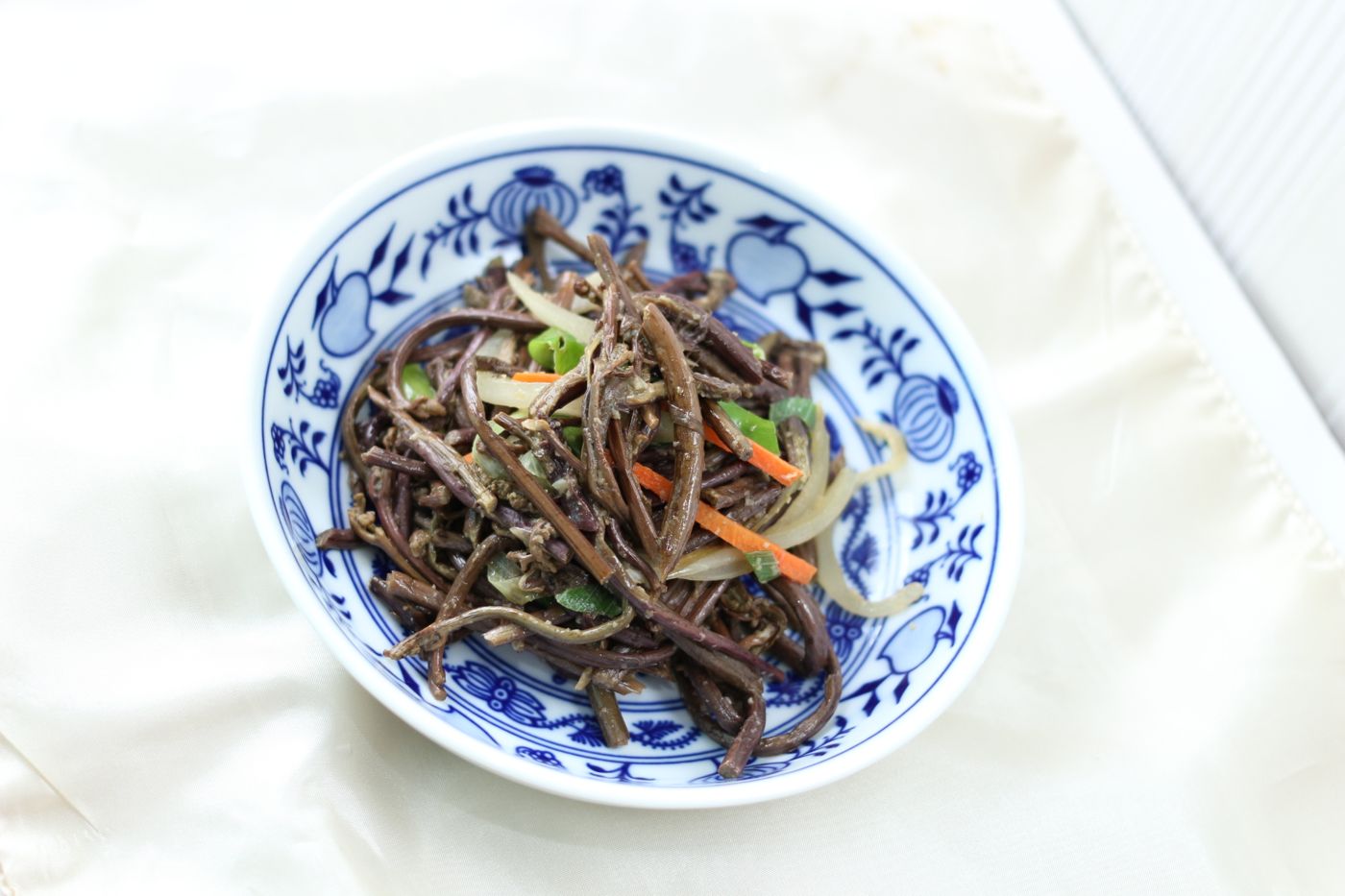 Gosari Namul고사리나물Dried bracken fern soaked, boiled and slowly stir-fried with soup soy sauce, garlic and perilla oil — chewy, earthy and central to holiday tables.
- Doraji Namul도라지나물Shredded bellflower root rubbed with salt to tame its bitterness, then gently stir-fried — the ivory-white member of the three-colored namul.
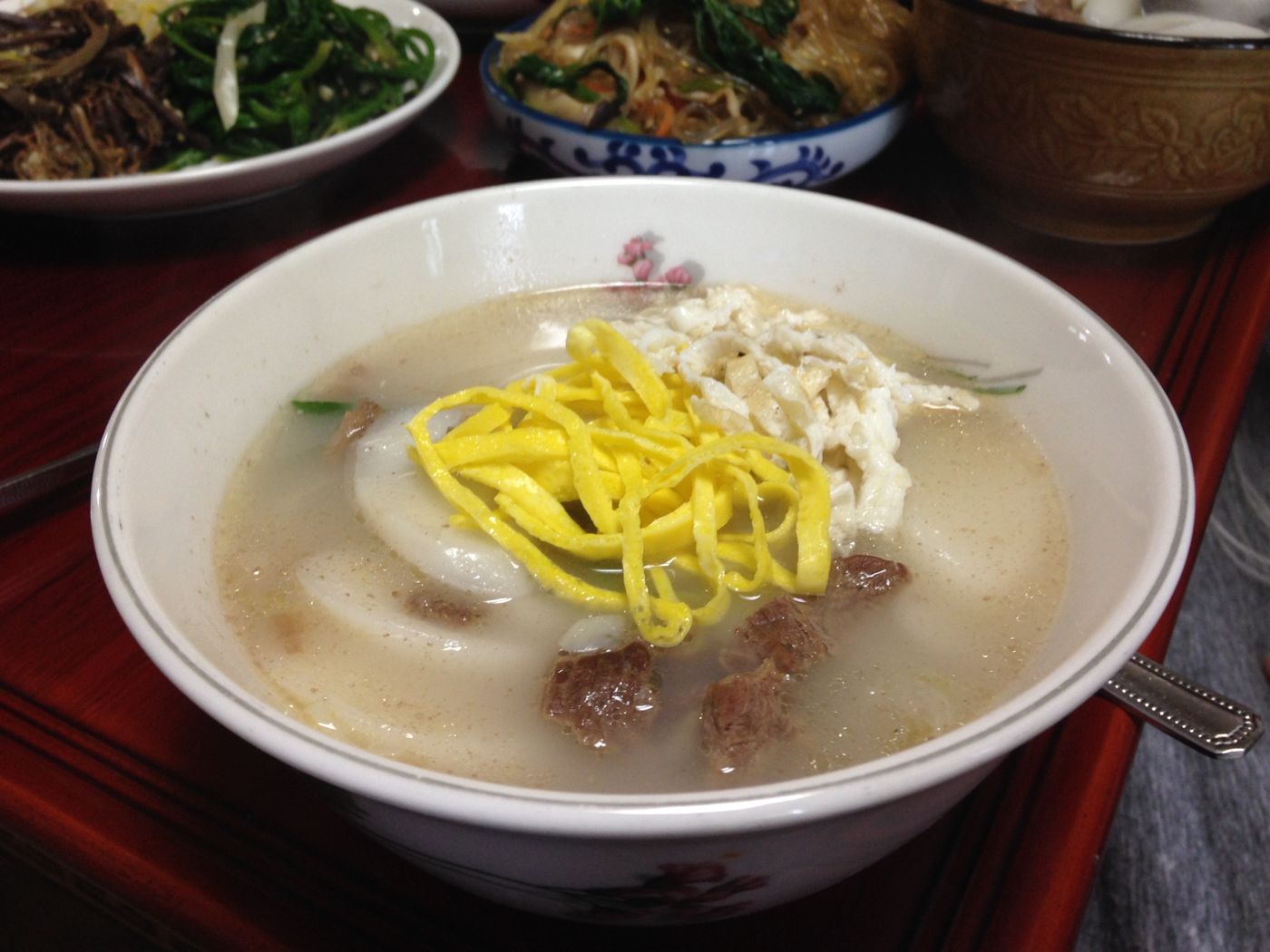 Tteokguk (Rice Cake Soup)떡국Thin ovals of white rice cake in clear beef broth, topped with egg ribbons and seaweed — the soup eaten on Seollal morning to greet the new year.