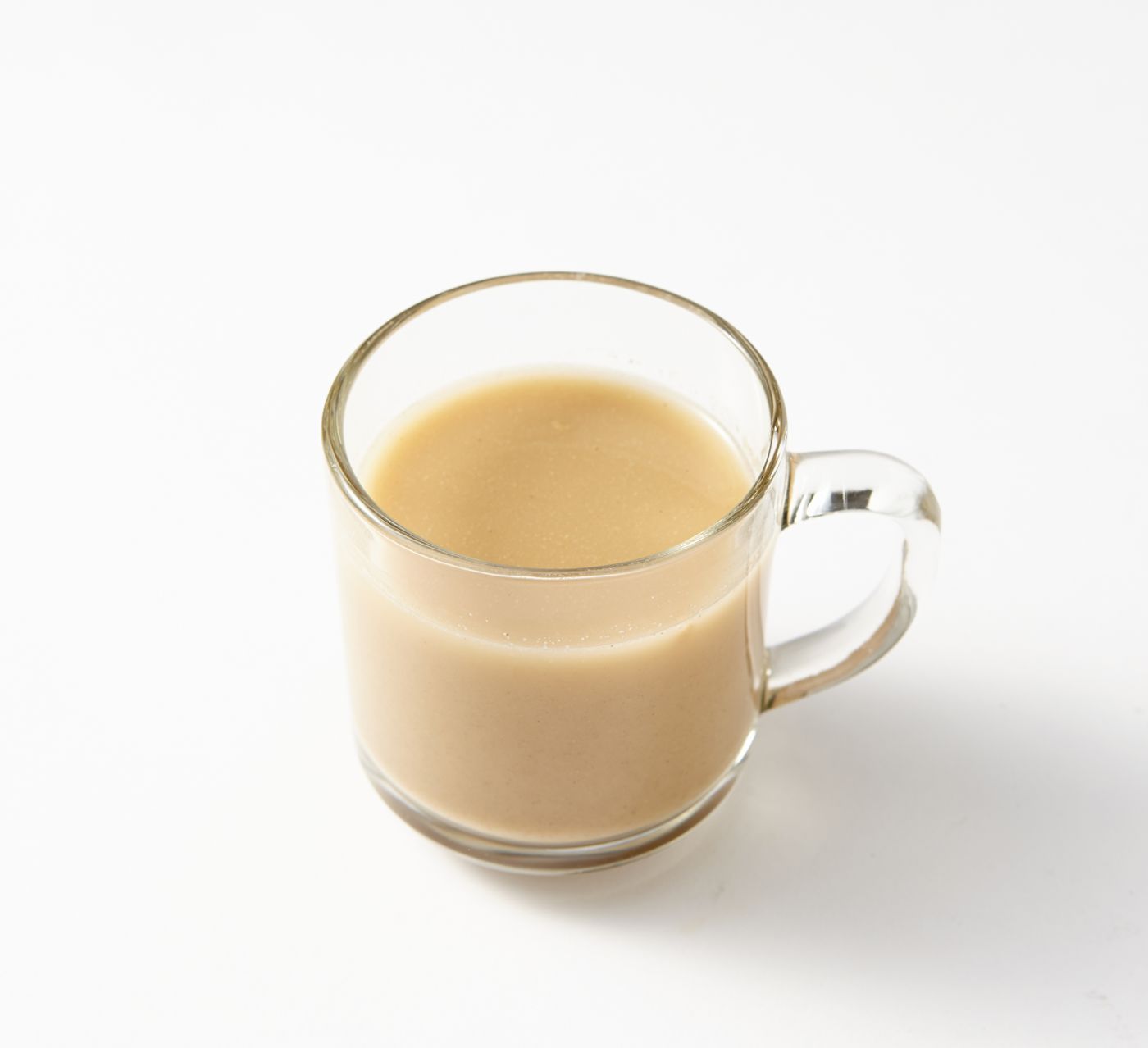
 Photo: 국립국어원, CC BY-SA 2.0 kr, via Wikimedia Commons
Eumcheong · Traditional drinks 음청류
Misutgaru (Roasted Grain Drink)
미숫가루
Romanization: misutgaru
A fine powder of steamed, dried and roasted grains stirred into cold water with honey — a nutty summer drink that doubled for centuries as travel food and famine ration.
- Serves
- 1
- Prep
- 3 min
- Cook
- 0 min
Recipe
Ingredients · Serves 1
- 30 gMisutgaru (mixed roasted grain powder)about 3–4 heaped tbsp
- 250 mlCold wateror milk or soy milk
- 1 tbspHoneyor sugar, to taste
- 4–5 Ice cubesoptional
Method
Step 1: Put the misutgaru and honey in a jar or shaker with a tight lid and add a little of the water. Stir into a smooth paste so no dry lumps remain.
Step 2: Add the rest of the water and shake hard for 15–20 seconds (or whisk), until frothy.
Step 3: Pour over ice and drink right away; the powder settles, so stir or shake again as you go.
Step 4: To make your own powder, steam soaked glutinous rice or barley, dry the grains completely, roast them in a dry pan over low heat until golden and nutty, then grind as fine as possible and sift. Store airtight in a cool place.
Origin & History
Misutgaru is a powder of grains — glutinous rice, ordinary rice, barley, Job's tears, beans — that are steamed, dried and roasted before being ground fine. Stirred into cold water or honey water it becomes misu (or misi), the drink described in traditional beverages. The folk encyclopedia's entry, by Heo Chae-ok, reads an episode in Samguk yusa, in which twenty measures of rice were steamed and dried to serve as provisions, as evidence that such grain powders were already used as stored food, travel food and emergency rations.
Joseon texts treat it largely as famine food. The entry cites famine-relief manuals and the 18th-century Jeungbo sallim gyeongje, which gives four methods, including a powder of flour, honey and oil with medicinal roots said to keep hunger at bay for a hundred days, and a calculation that one measure of rice yields enough powder to feed one person for four months. The early-19th-century encyclopedia Imwon simnyukji distinguishes grain that is roasted and ground (gu or cho) from grain that is steamed and dried (bi), and recommends roasted glutinous rice powder in honey water as a summer drink against hunger and thirst. Donguibogam and Gyuhap chongseo describe a richer version made from a cake of eight medicinal ingredients, dried and powdered.
By the early 20th century, cookbooks such as Joseon yori jebeop listed misu as a summer food, and that is how it has stayed. The Encyclopedia of Korean Culture describes the traditional method: glutinous rice soaked, steamed like rice for wine, spread on a fine mat until every grain dries apart, roasted golden in an iron cauldron, then pounded and sifted twice; Joseon households kept the powder in a porcelain jar on top of the rice chest. Barley misutgaru, made from new barley in early summer, was darker but more fragrant. Mixed thick, it served as a quick meal. See boknal and summer foods.
Key Ingredients
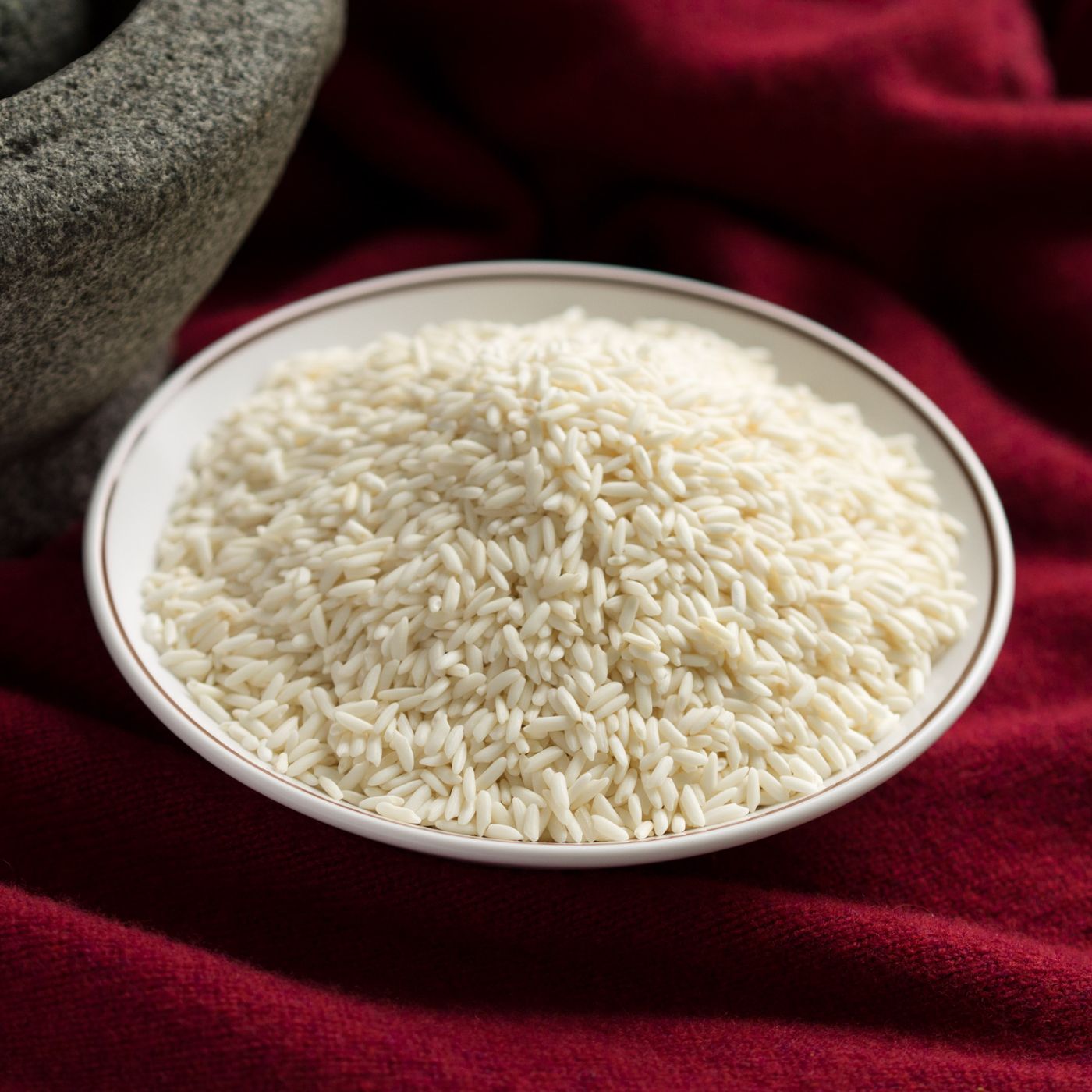 Glutinous rice (sweet rice)찹쌀Opaque, chalk-white grains of glutinous rice that steam into a chewy, elastic mass. Chapssal is the rice of festivals and comfort food: pounded into rice cakes, sweetened into yaksik, and tucked inside the chicken of samgyetang.
 Rice쌀Short, round grains of japonica rice that cook up glossy, soft and gently clinging. Steamed white rice, bap, is the center of the Korean table: every banchan, soup and stew is planned to be eaten with it.
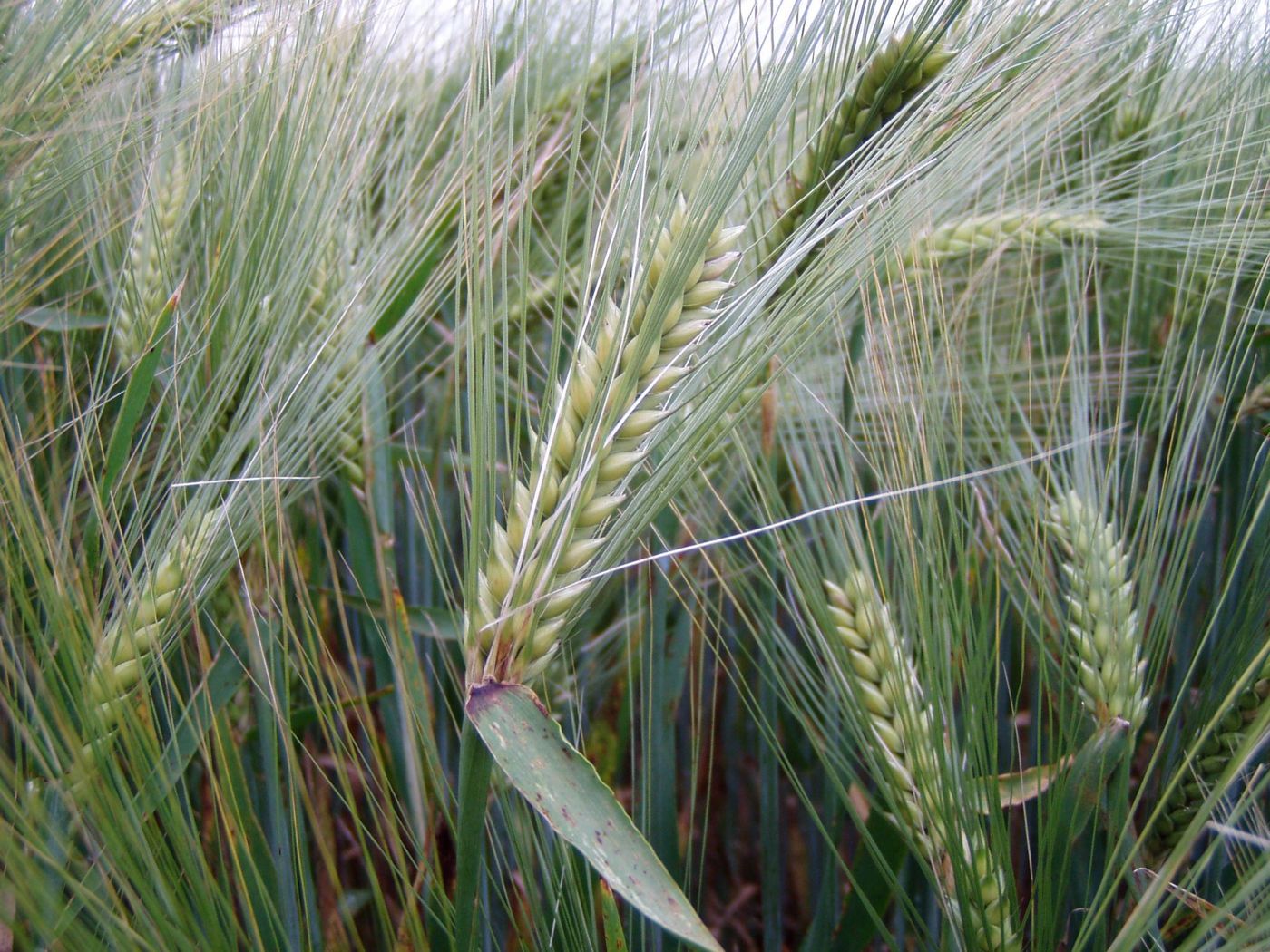 Barley보리Plump, chewy grains with a dark seam down the middle, cooked alone or with rice as boribap and roasted for barley tea. Once the grain of hardship, barley is now eaten by choice for its nutty bite and fiber.
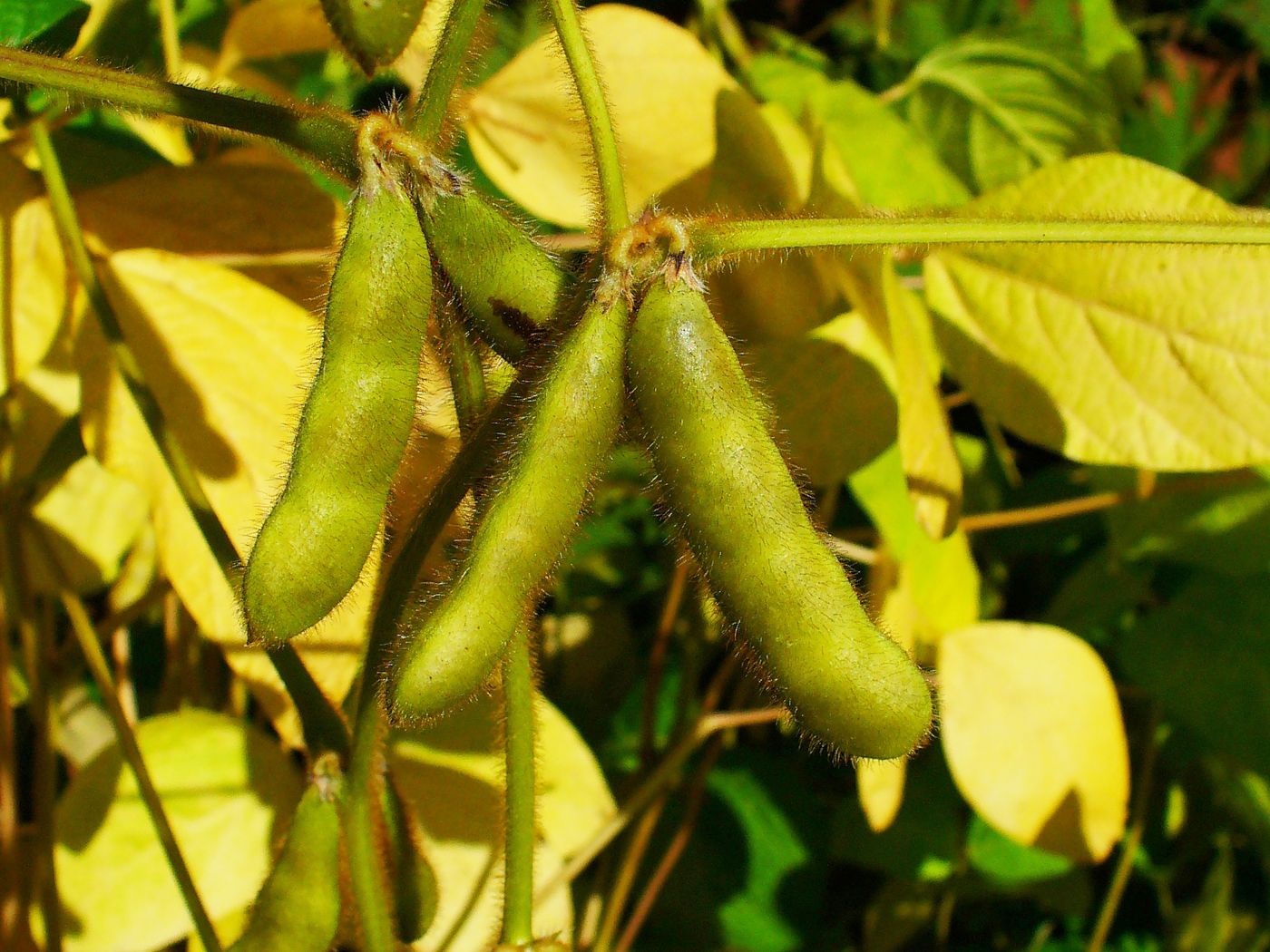 Soybeans대두Dried yellow soybeans, called kong in everyday speech and daedu ("big bean") on labels and in agriculture. They are the quiet foundation of the Korean table: the raw material for jang, tofu, soybean sprouts and soy milk, and a bean cooked into rice and braised as banchan.
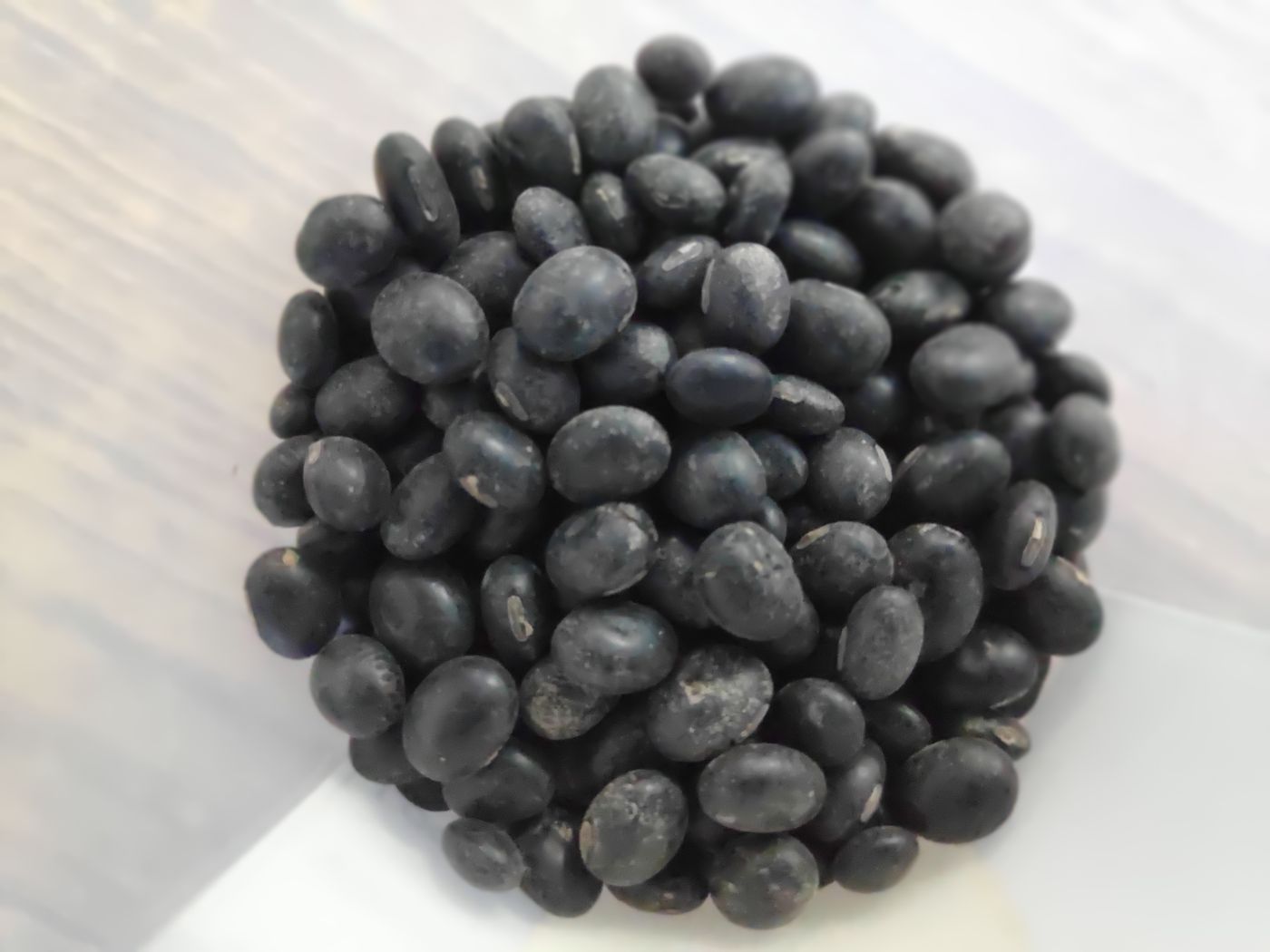 Black soybeans검정콩Glossy black soybeans, led by large, green-hearted seoritae. Simmered in soy sauce and syrup they become the shiny side dish kongjaban; they are also steamed, roasted or ground.
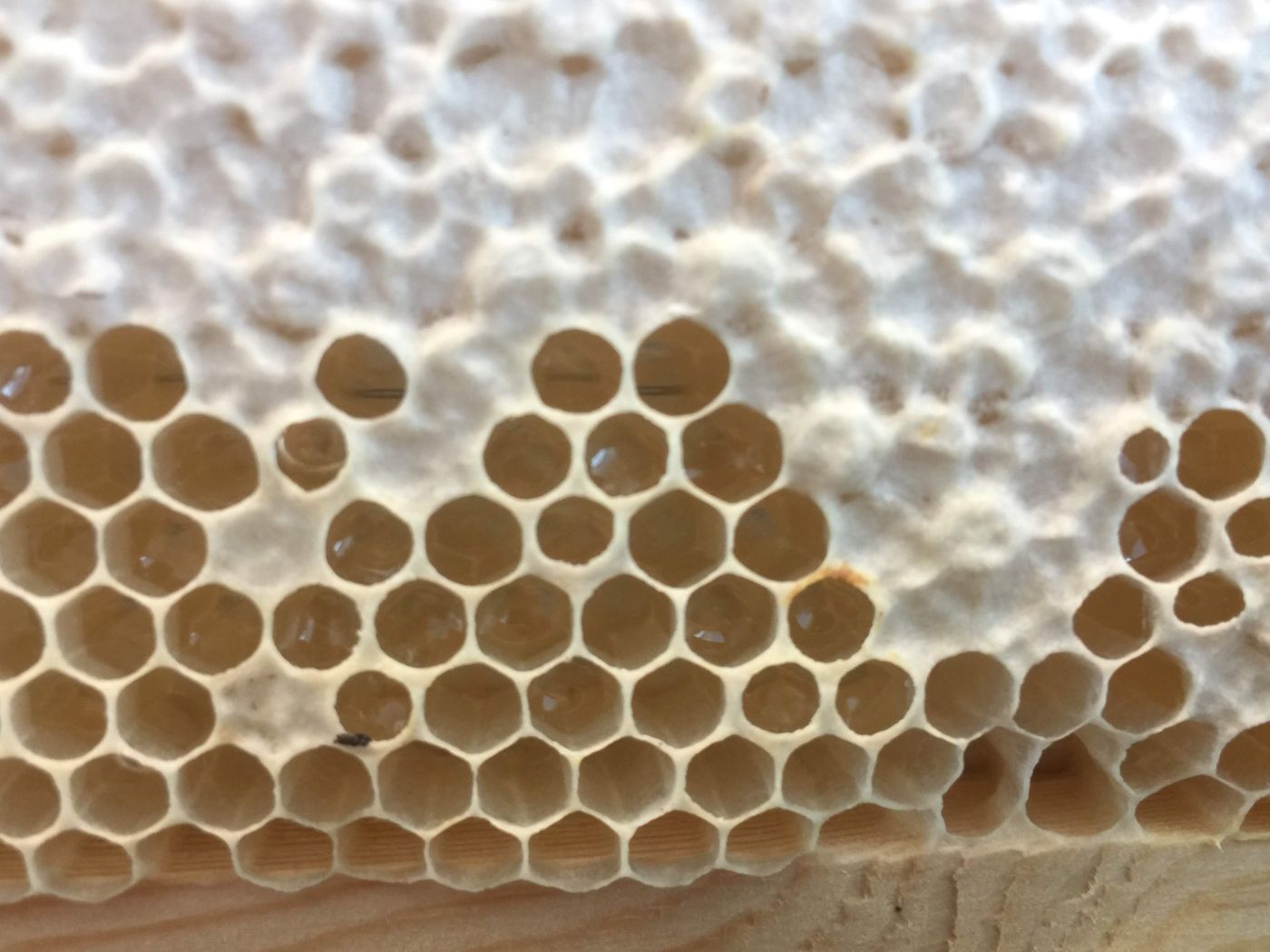 Honey꿀Honey has long been the prized sweetener of the Korean kitchen, used for court sweets like yakgwa and candied jeonggwa, for honey water and for seasoning meat. Korean shops sell native-bee honey (tojongkkul) and the more common Western-bee honey (yangbongkkul).
Nutrition
| Calories | ~185 kcal |
|---|---|
| Protein | ~4.4 g |
| Fat | ~1.6 g |
| Carbohydrates | ~40 g |
| Fiber | ~3.9 g |
| Sodium | ~2 mg |
Notable forManganese · Dietary fiber
Calculated from the Korean Food Composition Table entry for mixed-grain misutgaru powder (A0250030005a, 미숫가루 혼합곡물; 412 kcal, 14.4 g protein, 12.8 g fiber and 2.6 mg manganese per 100 g) for 30 g, plus 21 g honey (USDA FDC 169640). Made with whole milk instead of water, add about 150 kcal, 8 g protein and 105 mg sodium. Actual values vary with ingredients, portion size and preparation.
Health Benefits
- Whole grains in a glass: mixed-grain powders keep the bran of several grains, providing fiber and manganese. See whole grains and japgokbap.
- Plain and low in sodium: unsweetened powder contains almost no salt or fat.
- Quick and filling: traditionally a summer drink and an emergency food; with milk or soy milk it becomes a light meal.
Regional Variations
- Chapssal misu: glutinous rice misu, which the folk encyclopedia calls the representative type.
- Bori misu: barley powder made at the early-summer barley harvest, more fragrant and yellower than rice powder.
- Mixed-grain powders: barley, Job's tears, black soybeans, black sesame, sorghum and even acorn, each roasted separately and blended to taste; most commercial mixes are of this kind.
- Thick misu: mixed with a little water into a porridge-like paste as a meal rather than a drink, as the Encyclopedia of Korean Culture describes.
Pairings
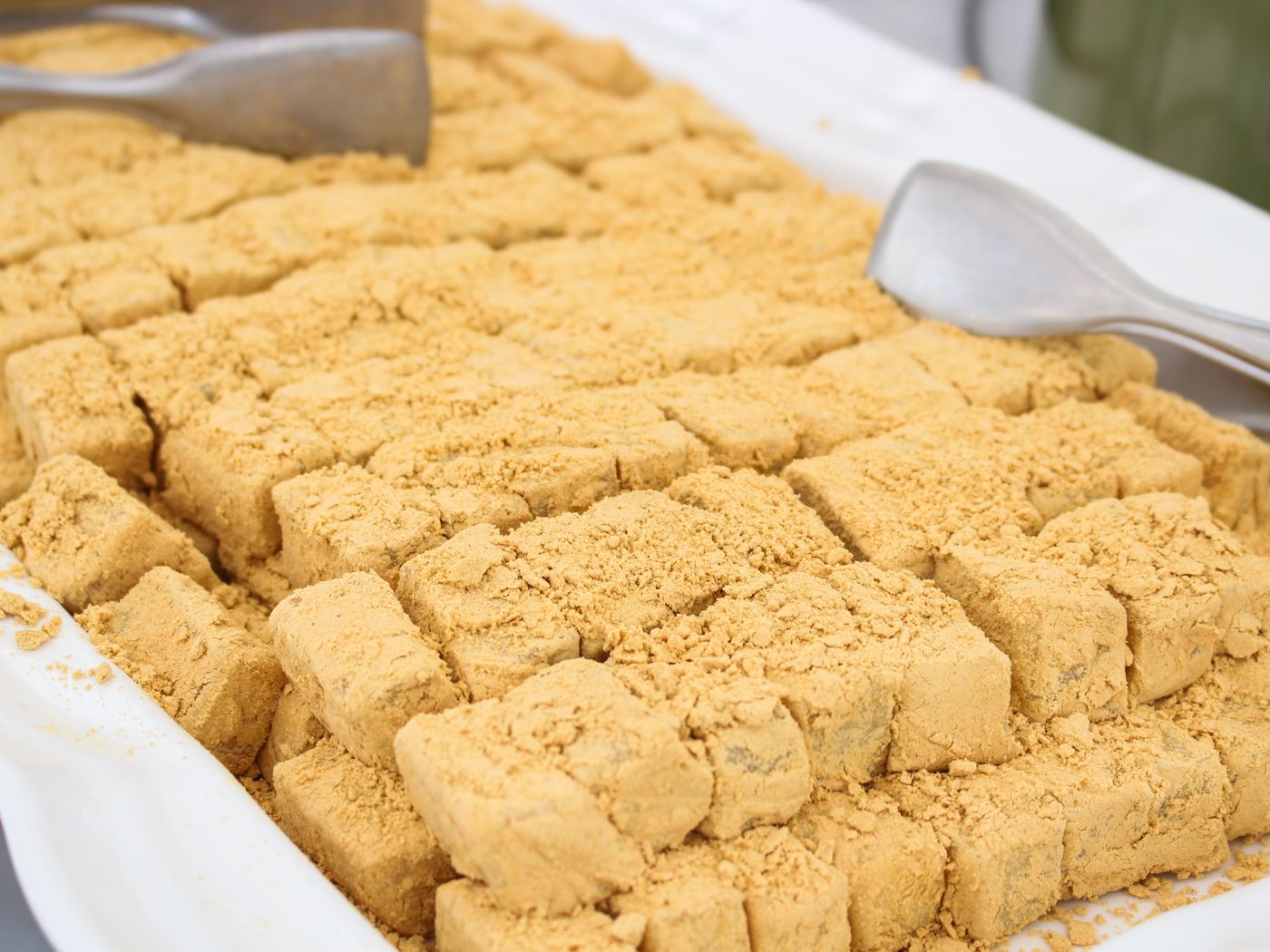 Injeolmi (Pounded Sticky Rice Cake with Bean Powder)인절미Steamed glutinous rice pounded until smooth and elastic, cut into pieces and rolled in roasted soybean powder — the chewy, nutty rice cake of markets, weddings and harvest time.
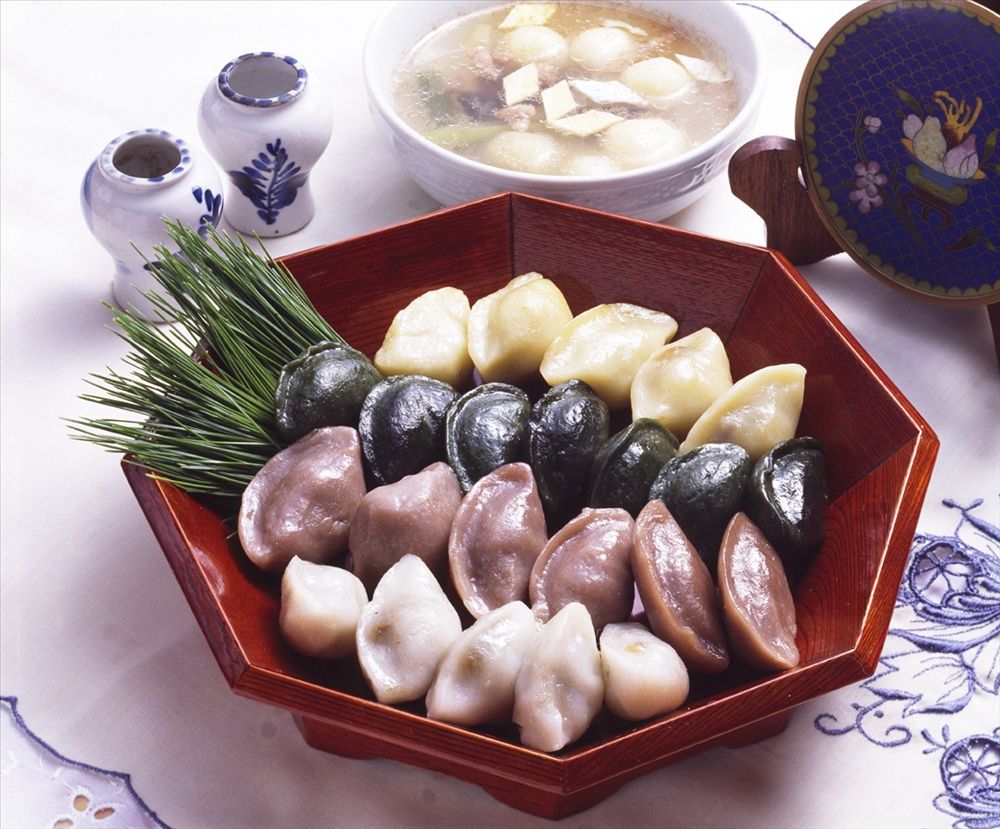 Songpyeon (Half-Moon Rice Cakes)송편Small half-moon cakes of rice dough filled with sweet sesame, beans or chestnut and steamed on a bed of pine needles — the rice cake of Chuseok, made with the new harvest.
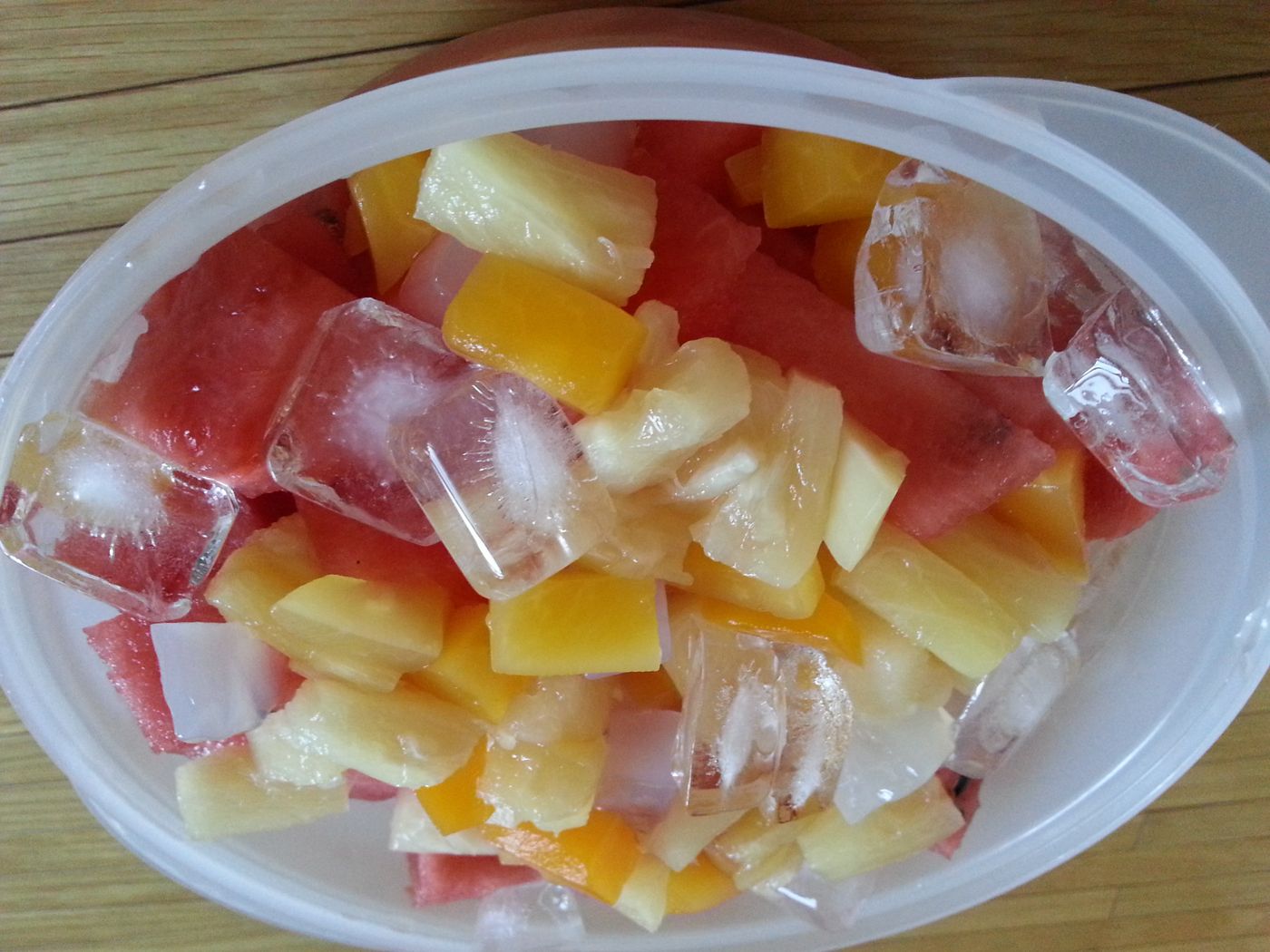 Subak-hwachae (Watermelon Punch)수박화채Scooped watermelon floating in its own sweetened juice, or in fizzy soda over ice — the most familiar member of the hwachae family of cold fruit punches.