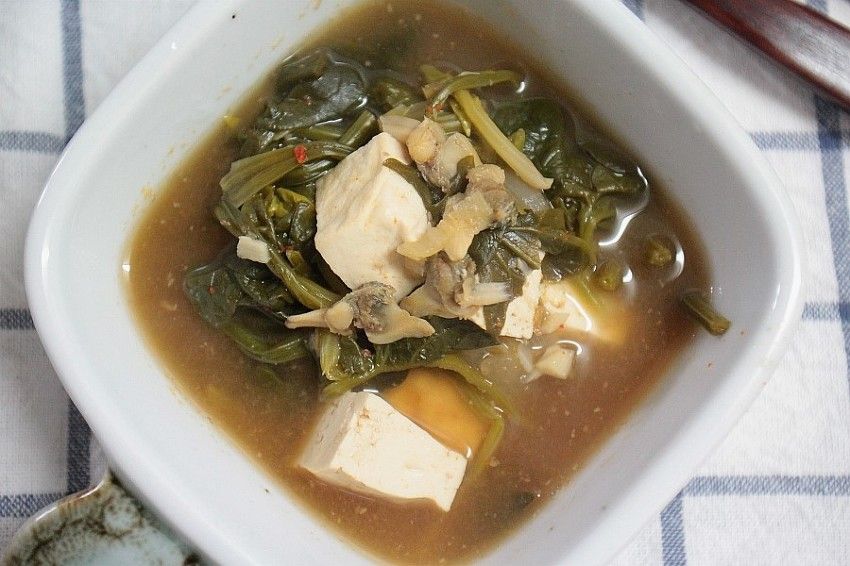
 Photo: 쑤기언니, CC BY 4.0, via Wikimedia Commons
Guk & Tang · Soups 국·탕
Sigeumchi Doenjang Guk (Spinach Soybean-Paste Soup)
시금치된장국
Romanization: sigeumchi-doenjang-guk
Tender spinach simmered in an anchovy broth seasoned with doenjang — a mild, everyday soup that is at its sweetest in winter and early spring.
- Serves
- 4
- Prep
- 15 min
- Cook
- 20 min
RegionPohang
Jump to recipeRecipe
Ingredients · Serves 4
- 200 gSpinach (sigeumchi)roots trimmed, washed well
- 15 gDried anchovies (myeolchi)heads and guts removed
- 5 gDried kelp (dashima)a 5 cm square
- 1.2 lWater
- 2½ tbspDoenjangadjust to the saltiness of your paste
- 150 gTofuoptional, cubed
- 2 clovesGarlicminced
- 1 stalkGreen onionsliced
- ½ tspGochugaruoptional
Method
Technique: Making Guk and Jjigae, Making Yuksu: Anchovy-Kelp Stock, Blanching and Seasoning Namul
Step 1: Simmer the anchovies and kelp in the water for 10 minutes, removing the kelp after the first 5. Strain out the anchovies.
Step 2: Meanwhile, blanch the spinach in a large pot of boiling salted water for 20–30 seconds, uncovered, then rinse in cold water and squeeze gently. Cut into 5 cm lengths.
Step 3: Dissolve the doenjang in the hot broth through a small sieve, pressing it with a spoon, and bring back to a simmer.
Step 4: Add the tofu and garlic and simmer 5 minutes (longer if you are using a traditional, long-aged paste).
Step 5: Add the spinach and simmer 2 minutes more. Taste, add the green onion and gochugaru if you like, and serve with rice.
Origin & History
Sigeumchi-doenjang-guk is one of the many seasonal versions of doenjang-guk (also called tojang-guk), a soup of broth thickened with doenjang and whatever greens are in season. The Encyclopedia of Korean Folk Culture describes it as a near-daily soup whose broth is usually made from dried anchovies or beef, with spinach listed alongside mallow, shepherd's purse and chard among the classic leaves. The two encyclopedia entries on spinach and soybean-paste soup both name doenjang-guk as one of the two main ways Koreans eat spinach, the other being sigeumchi-namul.
Spinach is not native to Korea. The folk encyclopedia traces it from Persia to China around the seventh century and into Korea by the 1500s; its first Korean appearance is in Choe Se-jin's 1527 character primer Hunmong jahoe. It grows well in cold weather, and although it is sold all year, the folk encyclopedia notes that it is most plentiful from October to April. Korean cooks prefer the Asian-type winter spinach, with jagged leaves and red roots, which stays pleasantly textured after blanching.
The soup's technique is simple but has rules. The folk encyclopedia advises blanching leafy greens in salted water first and squeezing them out, since raw leaves added straight to the pot taste grassy and turn dark, and matching the cooking time to the paste: traditional long-aged doenjang tastes best simmered longer, while commercial short-aged paste should be cooked only briefly.
Key Ingredients
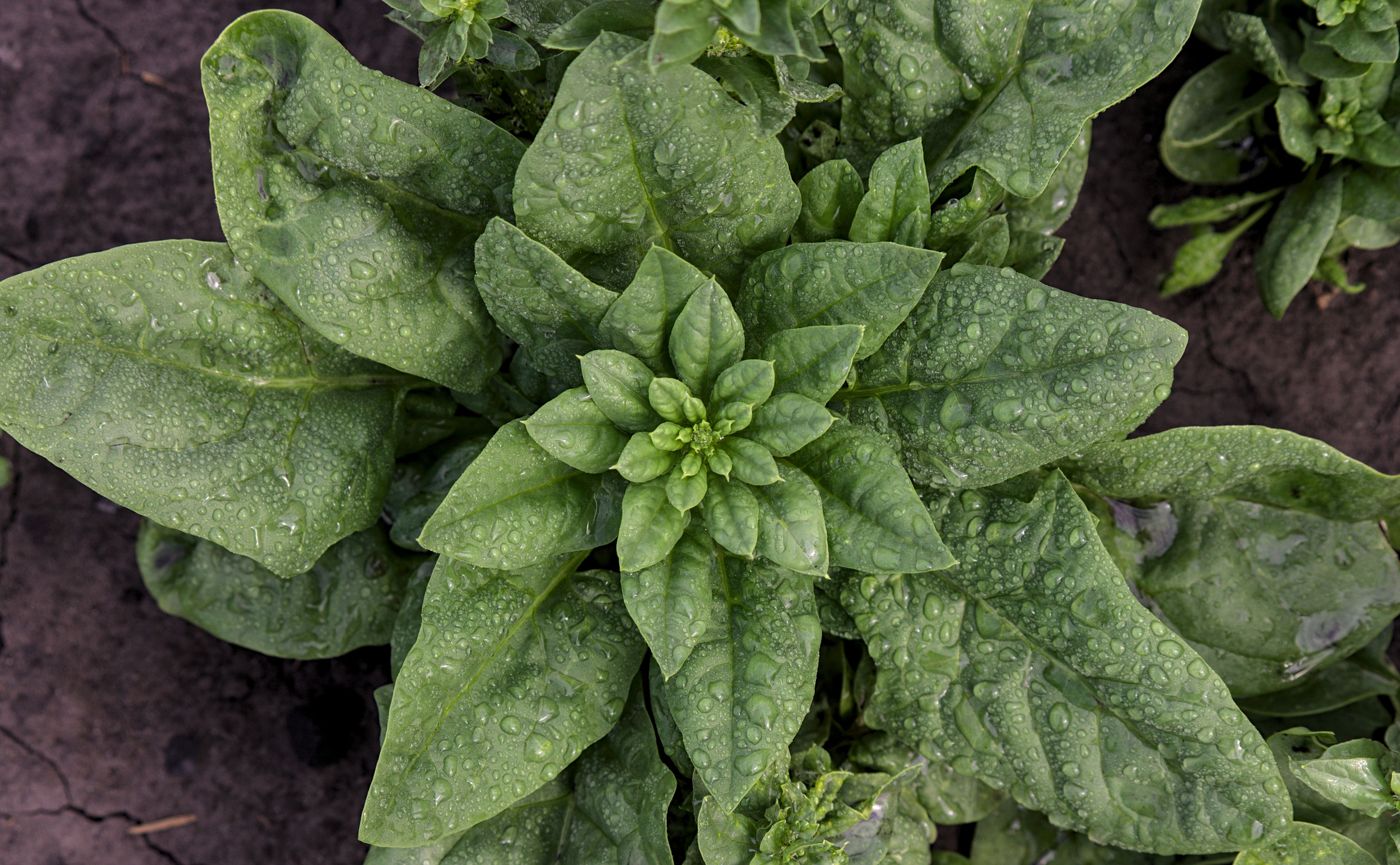 Spinach시금치Tender, deep-green spinach, most often blanched, squeezed and dressed with sesame oil as sigeumchi-namul, one of the most familiar banchan on the Korean table.
 Doenjang된장Fermented soybean paste — the savory foundation of doenjang-jjigae, many soups and dressings for namul. It is one of Korea's core jang, or fermented sauces.
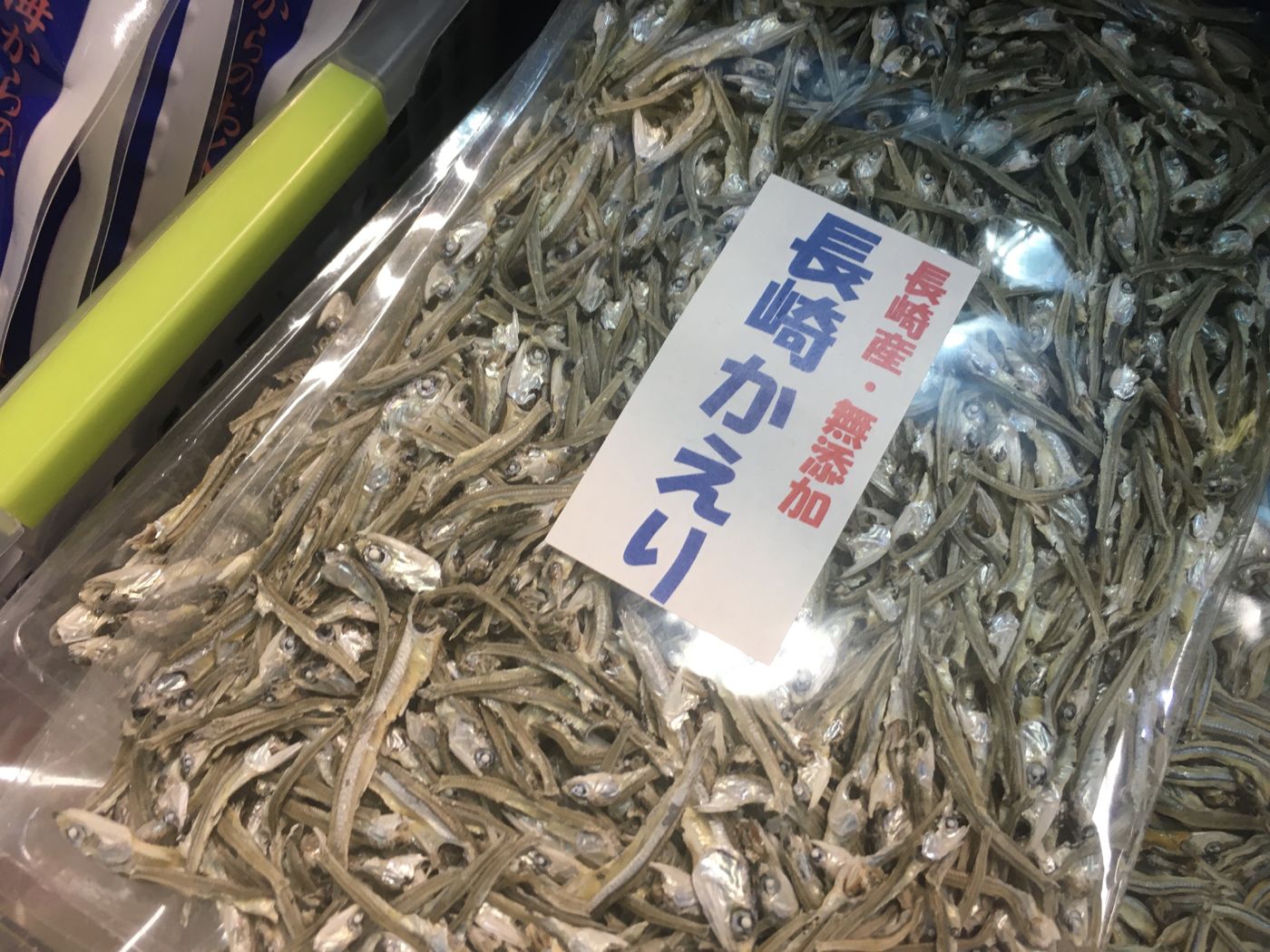 Dried anchovies멸치Small anchovies that are boiled and dried on the coast, then sorted by size. They flavor everyday broths and, stir-fried whole, become the sweet-salty side dish myeolchi-bokkeum.
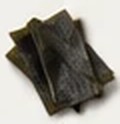 Dashima (dried kelp)다시마Thick, dried kelp that gives Korean broths their quiet savory depth. Beyond the stockpot it is fried into crisp twigak, simmered into soy-glazed side dishes and used as a wrap.
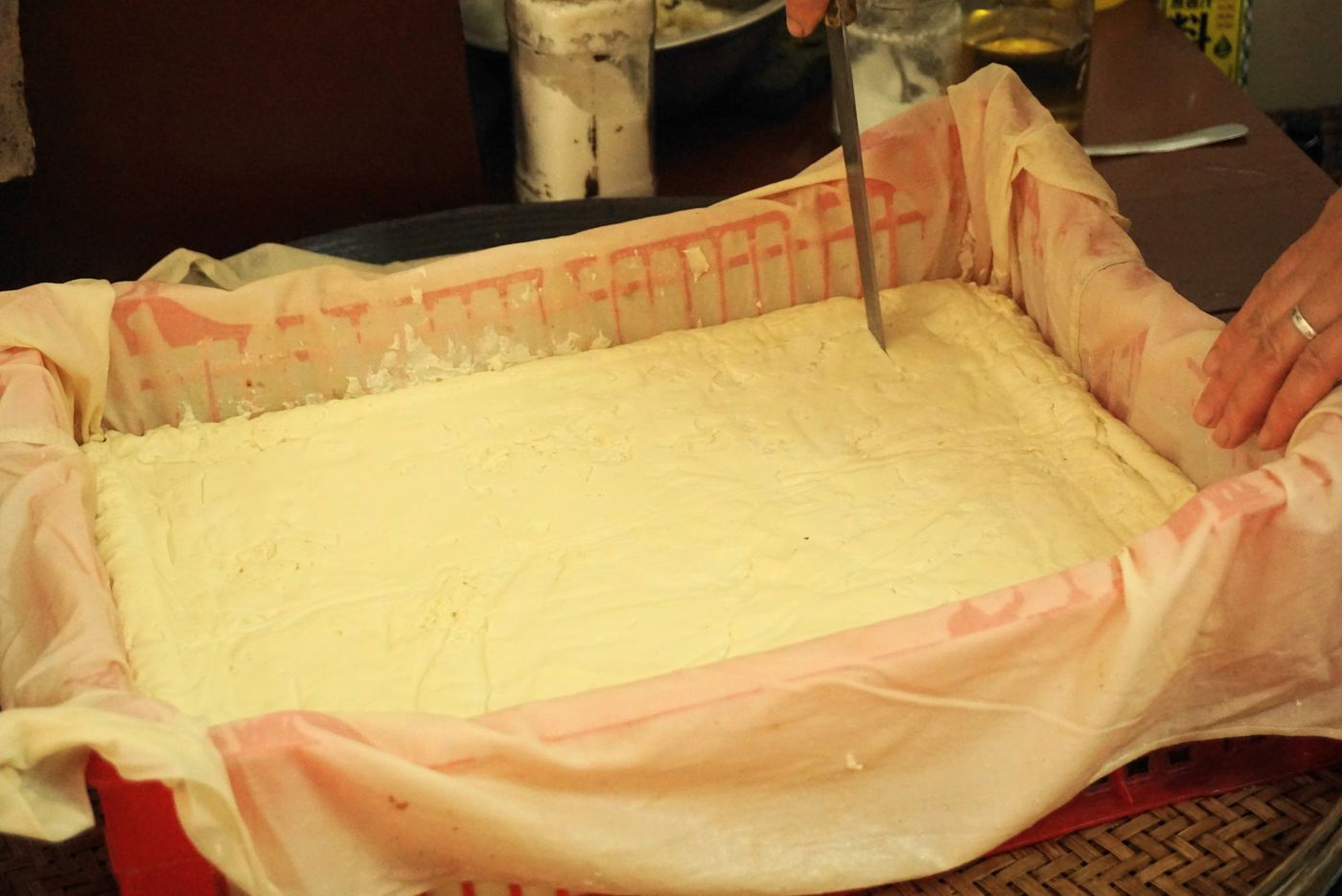 Tofu두부Fresh bean curd made by coagulating soy milk and pressing the curds. A quiet staple of Korean cooking since at least the late Goryeo period, it is pan-fried, braised in spicy soy glaze, or simmered in stews.
 Garlic마늘Used raw, minced, pickled and roasted, garlic is one of the essential aromatics of Korean food — in seasonings, marinades, kimchi and namul.
 Green onion파Korean green onion (pa), from thick-stemmed daepa to slender scallions — chopped into nearly every seasoning sauce, soup and kimchi, and the star of pa-kimchi.
 Gochugaru고춧가루Korean red chili powder, made from dried red peppers ground coarse or fine. It gives kimchi, gochujang and countless banchan their color and warmth.
Nutrition
| Calories | ~36 kcal |
|---|---|
| Protein | ~4.1 g |
| Fat | ~0.7 g |
| Carbohydrates | ~3.9 g |
| Fiber | ~1.6 g |
| Sodium | ~496 mg |
Notable forPotassium · Vitamin A · Folate
Scaled from the MFDS analysis of home-style spinach doenjang-guk (된장국_시금치; per 100 g: 9 kcal, 1.02 g protein, 0.17 g fat, 0.98 g carbohydrate, 0.4 g fiber, 124 mg sodium, 181 mg potassium, 18 µg RAE vitamin A, 7.8 µg DFE folate) to the database's 400 g serving, which gives about 720 mg potassium. Adding tofu, as in this recipe, raises the protein. For the spinach itself, Korea's food composition table lists blanched Korean spinach at about 431 µg vitamin K per 100 g. Actual values vary with ingredients, portion size and preparation.
Health Benefits
- A very light soup — under 40 kcal a bowl by the MFDS analysis — that still supplies potassium, vitamin A and folate from the spinach.
- The folk encyclopedia describes doenjang-guk as a daily pairing of soybean protein with fiber- and vitamin-rich greens; see vegetables and namul and fermented soybeans.
- Blanching the spinach briefly, uncovered, keeps its color and, as the folk encyclopedia notes, limits the loss of vitamin C.
Regional Variations
- Anchovy broth: the everyday home version, with dried anchovies and sometimes kelp.
- With clams: in spring, the folk encyclopedia notes, cooks add short-necked clams, littlenecks or jaecheop to doenjang soups for a sweeter broth.
- Gyeongsang style: the folk encyclopedia describes coating the greens in raw soybean flour before adding them, for a nuttier soup; perilla powder is another regional addition.
- Pohangcho and seomcho: Korea's food composition table lists named winter spinach types, including Pohangcho (named for Pohang) and seomcho, both Asian-type winter spinach.
Pairings
 Gyeran Mari (Rolled Omelet)계란말이Beaten egg cooked in thin layers and rolled into a soft, striped log, then sliced — a gentle, everyday banchan and a lunchbox classic.
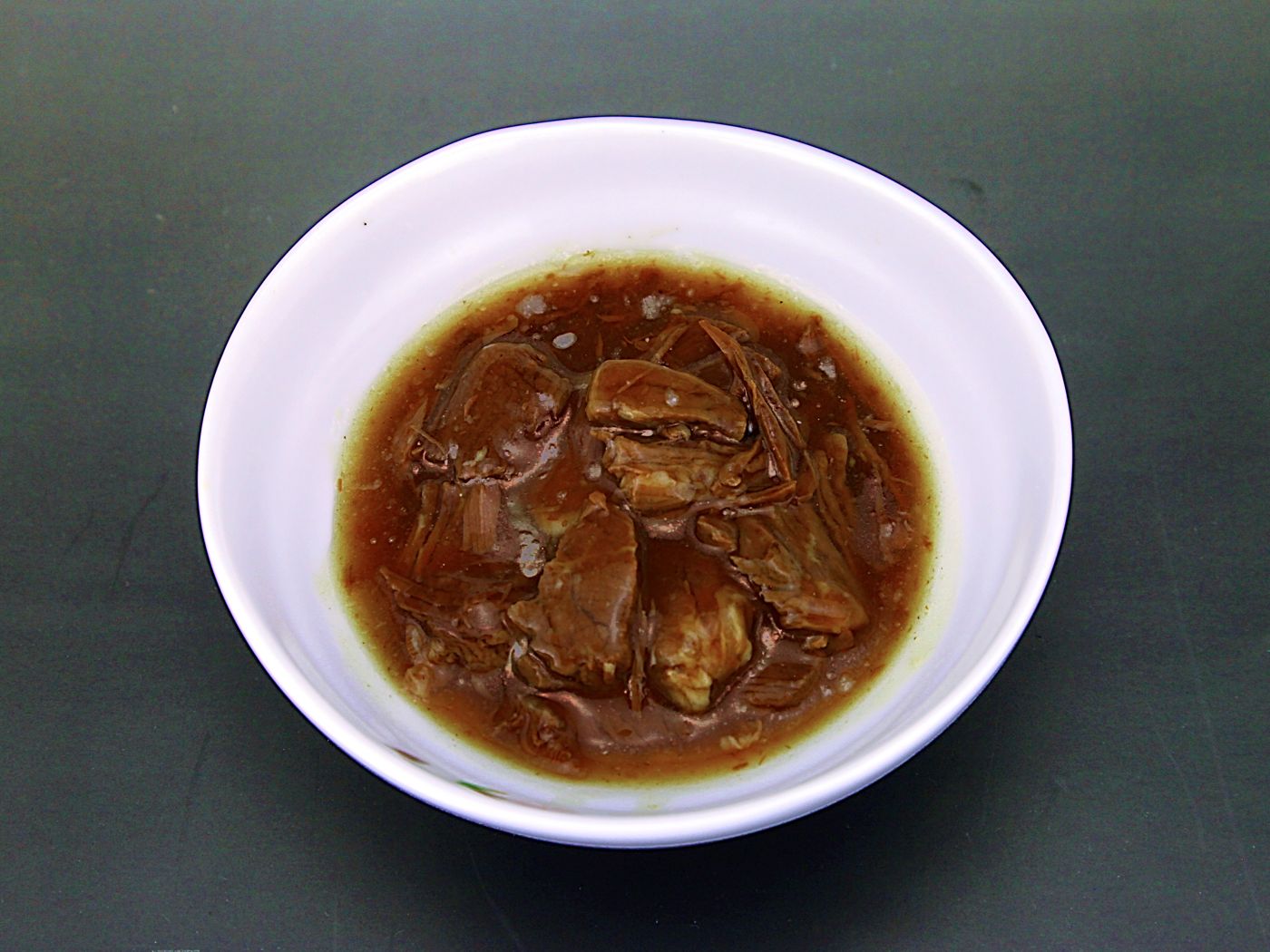 Jangjorim장조림Lean beef simmered in soy sauce until tender, then torn into strands and served in its savory broth, often with eggs, garlic and mild peppers.
 Napa Cabbage Kimchi배추김치Salted napa cabbage layered with a red paste of chili, garlic, ginger and fermented seafood, then left to ripen: the kimchi most people picture first.
Sources
- 01Eating, Diet, & Nutrition for Kidney Stones — NIDDK (NIH)
- 02된장국 (Doenjang-guk) — Encyclopedia of Korean Folk Culture (한국의식주생활사전)
- 03시금치 (Spinach) — Encyclopedia of Korean Folk Culture (한국의식주생활사전)
- 04된장국_시금치 (Spinach doenjang-guk, home-style, analyzed) — MFDS K-FIND food composition database
- 05Korean Food Composition Table: Spinach (Sigeumchi), Blanched — National Institute of Agricultural Sciences
- 06Trends in sodium intake and major contributing food groups and dishes in Korea: KNHANES 2013–2017 (Jeong et al., Nutrition Research and Practice, 2021)
- 07Sodium reduction — World Health Organization fact sheet
Last updated