Jangajji · Pickled 장아찌
Soy-Pickled Onions
양파장아찌
Romanization: yangpa-jangajji
Chunks of onion steeped in a sweet, tangy soy brine until mellow and crunchy — a quick modern jangajji that cuts through grilled meats and fried foods.
- Serves
- 30
- Prep
- 20 min
- Cook
- 15 min
Recipe
Ingredients · Serves 30
- 1 kgOnionsabout 4–5 medium, peeled
- 3 Green or red chiliesoptional, sliced
- 300 mlSoy sauce (ganjang)
- 300 mlWater
- 200 mlVinegar (sikcho)
- 150 gSugaror part maesil-cheong
Method
Technique: Jangajji: Pickling in Jang
Step 1: Cut the onions into 2–3 cm chunks, separating the layers slightly so the brine can reach every piece.
Step 2: Pack the onions and chilies into a clean, heatproof glass jar.
Step 3: Bring the soy sauce, water, vinegar and sugar to a boil, stirring until the sugar dissolves. Pour the hot brine over the onions (for a crunchier pickle, let the brine cool first). Press the onions under the surface with a small plate.
Step 4: When cool, cover and refrigerate. The onions are pleasantly pickled after 2–3 days.
Step 5: After about 3–4 days, drain the brine into a pot, bring it back to a boil, cool it completely and pour it back over the onions to extend keeping time.
Step 6: Keep refrigerated and eat within about 2 months, using clean utensils. Discard if mold appears or the brine smells off. The leftover brine can season dipping sauces and stir-fries.
Origin & History
Onions are relative newcomers to the Korean kitchen. The Encyclopedia of Korean Culture dates their arrival to the end of the Joseon dynasty, probably by way of the United States or Japan. Cultivation grew steadily over the 20th century, and today the main growing regions are South Jeolla and the Gyeongsang provinces, where onions are planted in autumn and harvested in early summer.
Yangpa-jangajji applies the old jangajji method — vegetables cured in soy sauce, sometimes sharpened with vinegar — to this newer vegetable. Like soy-pickled garlic, it uses a boiled soy brine sweetened with sugar, and it follows the same practice of pouring off the brine, reboiling it and pouring it back so the pickle keeps longer.
Compared with traditional paste-cured jangajji, it is quick: ready to eat within days and best within a couple of months. Early summer, when the new-season crop comes in, is a natural time to make a large jar.
Key Ingredients
- Korean Chili Peppers (Fresh)고추Fresh Korean chili peppers, eaten green (putgochu) or red (hong-gochu): from the fiery cheongyang-gochu to the small, wrinkled, mild kkwari-gochu that is braised and stir-fried as banchan.
 Soy sauce간장Korean soy sauce, in two main kitchen forms: pale, salty guk-ganjang (soup soy sauce) brewed the traditional way from meju, and darker, sweeter jin-ganjang for braises and marinades.
- Korean Vinegar식초Vinegar in the Korean kitchen, from naturally fermented grain and fruit vinegars, such as persimmon vinegar, to everyday brewed vinegar. It sharpens muchim, pickles and the dipping sauce chogochujang.
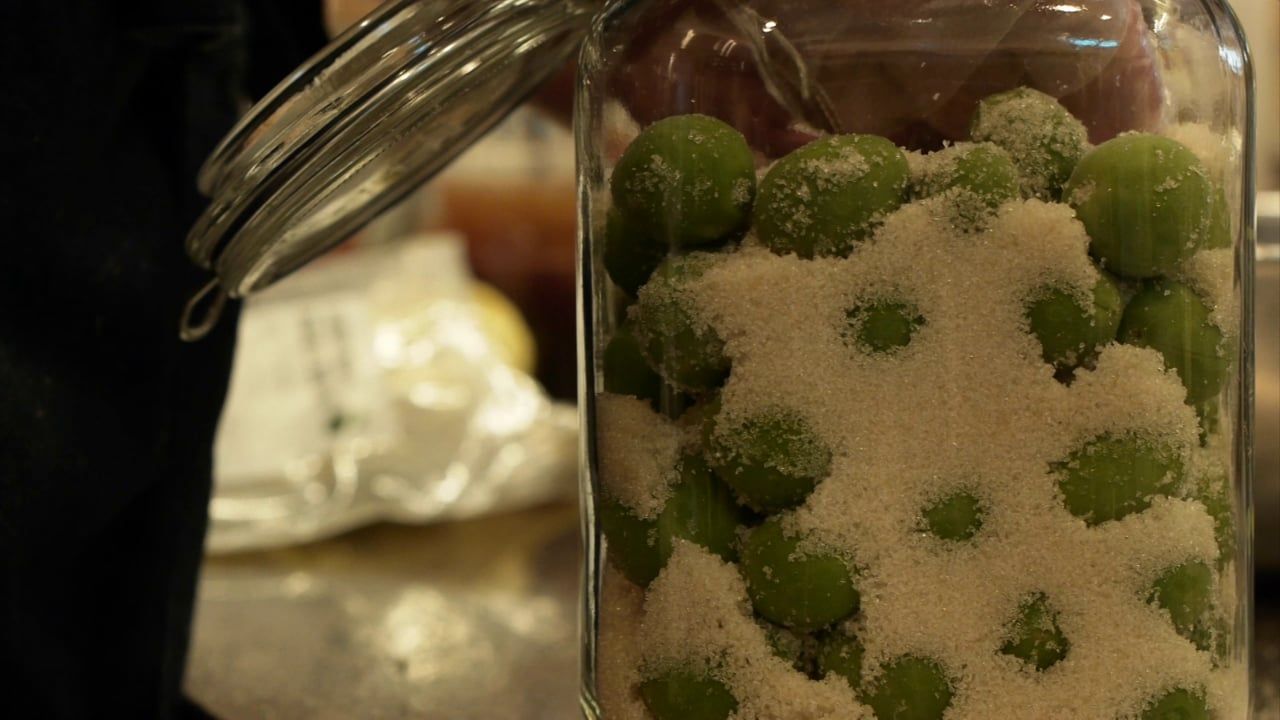 Green Plum Syrup매실청A sweet-tart syrup made by layering green plums (maesil, Prunus mume) with an equal weight of sugar and letting them steep for months. Korean cooks use it in place of sugar in dressings, marinades and drinks.
Nutrition
| Calories | 26 kcal |
|---|---|
| Protein | 0.5 g |
| Fat | 0 g |
| Carbohydrates | 6.3 g |
| Fiber | 0.6 g |
| Sodium | 433 mg |
From the Korean Food Composition Table entry “Onion, Pickled, Yangpa-Jangajji” (per 100 g: 85 kcal, 1,442 mg sodium, 15.2 g total sugars), scaled to the serving size. Homemade batches vary with the brine. Actual values vary with ingredients, portion size and preparation.
Health Benefits
- Onion, tamed: pickling softens the raw pungency of onion, leaving a sweet-sour crunch that is easy to eat.
- Balance on the plate: the sharp, sweet-sour crunch is a traditional foil for rich, oily or grilled dishes.
Regional Variations
- With chilies: sliced green or red chilies are often added for heat and color.
- Cut and size: onions may be cut into chunks or petals, or, with small pearl onions, pickled whole.
- Sweetness: brines range from lightly sweet to quite sugary; some cooks use maesil-cheong (green plum syrup) in place of part of the sugar.
Pairings
- Buchu Jeon (Garlic Chive Pancake)부추전Fragrant garlic chives held together by a thin flour batter and fried until crisp — one of the quickest and most common jeon in Korean homes.
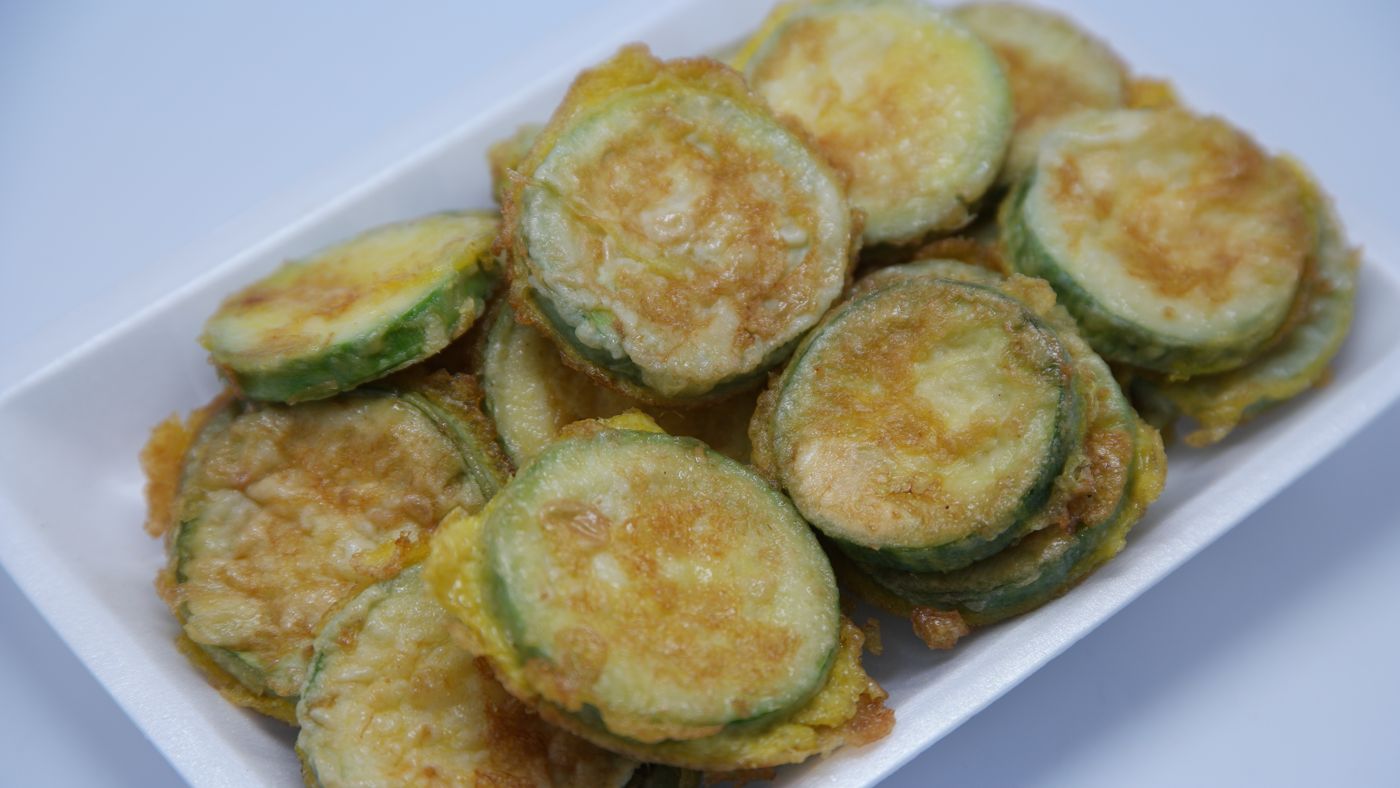 Hobak Jeon (Pan-Fried Zucchini)호박전Rounds of Korean zucchini dusted with flour, dipped in egg and pan-fried until golden — a soft, sweet jeon for holidays and everyday meals.
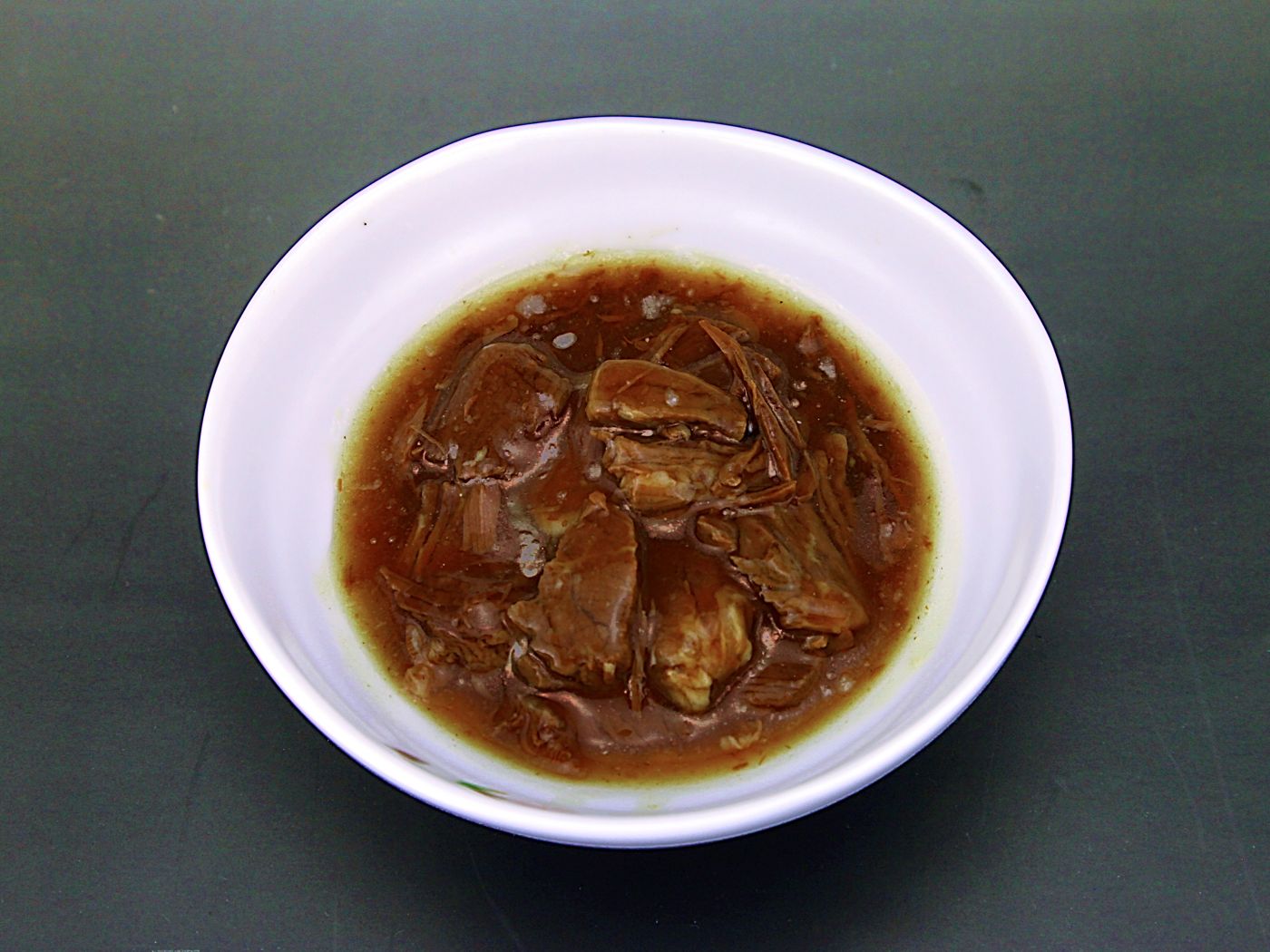 Jangjorim장조림Lean beef simmered in soy sauce until tender, then torn into strands and served in its savory broth, often with eggs, garlic and mild peppers.