Namul · Seasoned vegetables 나물
Chwinamul Muchim
취나물무침
Romanization: chwinamul-muchim
Aster scaber, a fragrant mountain green, blanched and dressed with soup soy sauce or doenjang and sesame oil — a taste of Korean spring.
- Serves
- 4
- Prep
- 10 min
- Cook
- 3 min
Recipe
Ingredients · Serves 4
- 300 gFresh chwinamul (aster scaber)tough stems trimmed; or 40 g dried, soaked and boiled until tender
- 1 tspSaltfor the blanching water
- 1 tspSoup soy sauce (guk-ganjang)
- 1 tspDoenjangor another 1 tsp soup soy sauce
- 1 cloveGarlicminced
- 1 tbspGreen onionfinely chopped
- 1 tbspToasted sesame oil
- 1 tspToasted sesame seeds
Method
Technique: Blanching and Seasoning Namul
Step 1: Pick over the chwinamul, removing yellowed leaves and tough stem ends, and wash it in several changes of water.
Step 2: Bring a large pot of water to a boil with the salt. Blanch the greens for about 1 minute, just until the stems soften slightly.
Step 3: Drain and rinse in cold water. Squeeze out the water firmly and cut into bite-sized lengths.
Step 4: In a bowl, mix the soup soy sauce, doenjang and garlic into a loose paste, then add the greens and green onion. Massage gently with your fingertips so the seasoning coats every leaf.
Step 5: Add the sesame oil and sesame seeds, toss again, taste and adjust. Serve at room temperature.
Origin & History
Chwi is a collective name for a group of edible mountain greens in the aster family. The Encyclopedia of Korean Culture lists several kinds — among them chamchwi, gomchwi, miyeokchwi and surichwi — whose tender young shoots are eaten as namul or worked into rice cakes. Chamchwi (Aster scaber), a fragrant perennial found in hills and fields throughout Korea, is the one most people mean by chwinamul.
Like many wild greens, chwinamul was traditionally foraged on the hillsides in spring, and it is now widely cultivated as well. It is also blanched and dried, which turns it into a keeping vegetable with a deeper, chewier character.
Dried chwinamul is one of the stored "old greens" (mugeun namul) traditionally eaten on Jeongwol Daeboreum, the first full moon of the lunar year. The nineteenth-century almanac Dongguk sesigi records the belief that eating these greens keeps people from suffering in the summer heat.
Key Ingredients
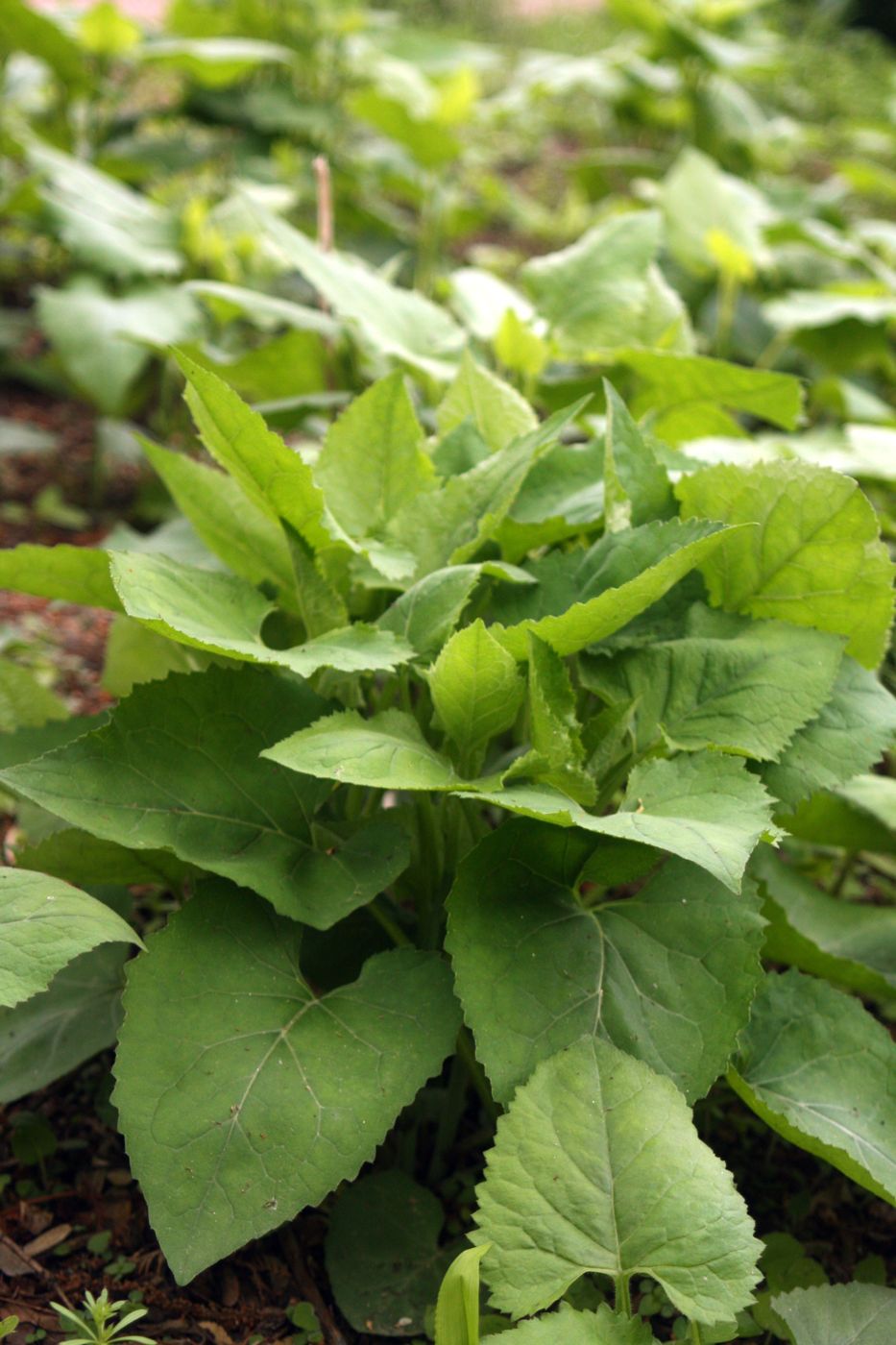 Aster greens (chwi)취나물Aromatic mountain greens from the aster family, led by chamchwi. Eaten fresh in spring and dried for winter, chwinamul is one of the most beloved wild-style namul.
 Soy sauce간장Korean soy sauce, in two main kitchen forms: pale, salty guk-ganjang (soup soy sauce) brewed the traditional way from meju, and darker, sweeter jin-ganjang for braises and marinades.
 Doenjang된장Fermented soybean paste — the savory foundation of doenjang-jjigae, many soups and dressings for namul. It is one of Korea's core jang, or fermented sauces.
 Garlic마늘Used raw, minced, pickled and roasted, garlic is one of the essential aromatics of Korean food — in seasonings, marinades, kimchi and namul.
 Green onion파Korean green onion (pa), from thick-stemmed daepa to slender scallions — chopped into nearly every seasoning sauce, soup and kimchi, and the star of pa-kimchi.
 Sesame참깨Toasted sesame seeds and sesame oil (chamgireum) finish countless Korean dishes, adding a nutty aroma and gloss.
Nutrition
| Calories | ~78 kcal |
|---|---|
| Protein | ~2.5 g |
| Fat | ~4.2 g |
| Carbohydrates | ~9.6 g |
| Fiber | ~3.9 g |
| Sodium | ~190 mg |
Notable forVitamin K · Iron · Folate · Vitamin A (as carotenoids)
Estimated from the Korean Food Composition Table values for raw chamchwi, traditional soup soy sauce and doenjang, plus USDA FoodData Central values for garlic, green onion, sesame oil and sesame seeds, divided by four. Blanching-water salt is not counted. Blanching lowers some values — the table shows iron roughly halving after blanching — so treat the iron figure as an upper bound. Actual values vary with ingredients, portion size and preparation.
Health Benefits
- Dense in nutrients: chamchwi is a source of vitamin K, carotenoids, folate, iron and calcium, and is high in fiber for a leafy green.
- Plant compounds: research describes Aster scaber as rich in flavonoids and caffeoylquinic acids, and laboratory studies are exploring their antioxidant activity. These are early findings, not proof of health effects in people.
- Seasonal eating: spring greens and stored dried greens were traditionally valued for bringing fresh vegetables to the table at the leanest time of the year.
Regional Variations
- Fresh or dried: fresh spring chwinamul is blanched briefly and dressed; dried chwinamul is soaked, boiled until tender and then stir-fried with perilla or sesame oil.
- Soy sauce or doenjang: a soy-sauce dressing keeps the aroma bright, while a spoonful of doenjang makes it earthier and more savory.
- Daeboreum spread: on the first full moon, dried chwinamul is served among a spread of stored greens with five-grain rice.
Pairings
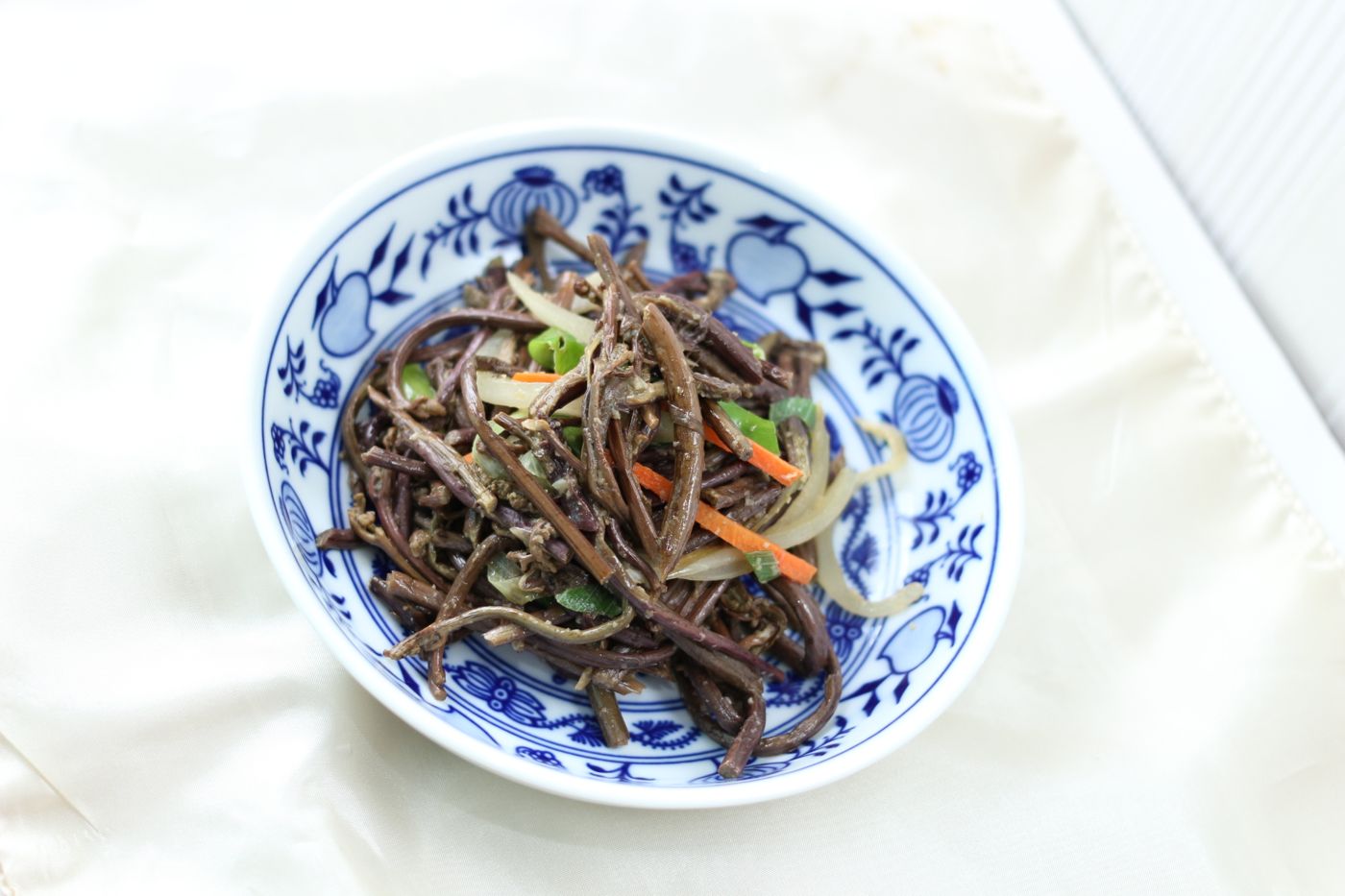 Gosari Namul고사리나물Dried bracken fern soaked, boiled and slowly stir-fried with soup soy sauce, garlic and perilla oil — chewy, earthy and central to holiday tables.
 Sigeumchi Namul시금치나물Spinach blanched for a few seconds, squeezed dry and dressed with garlic, soy sauce and sesame — one of the simplest and most familiar namul.
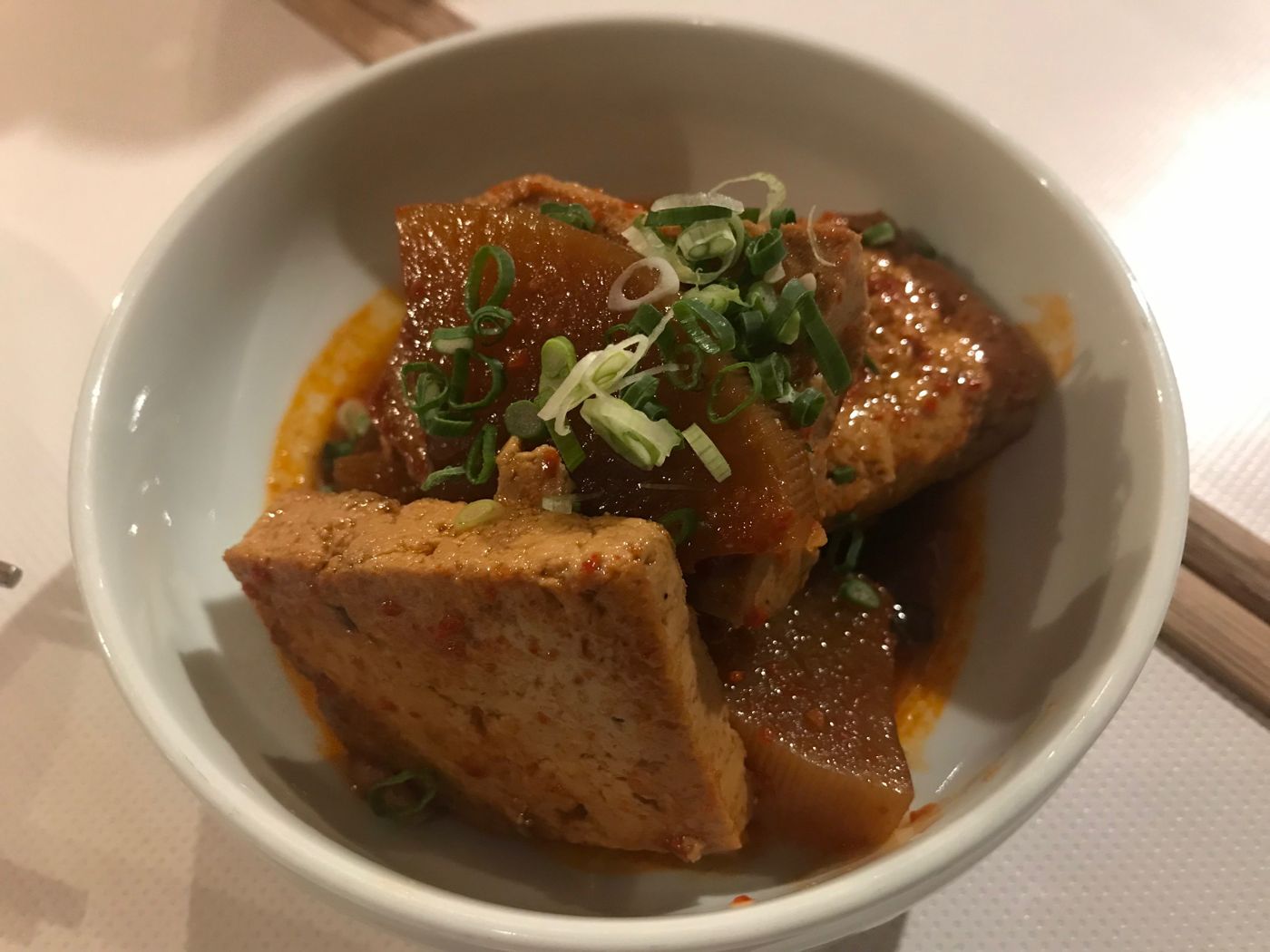 Dubu Jorim두부조림Slices of firm tofu pan-fried until golden, then simmered in a garlicky soy and chili sauce — an inexpensive, protein-rich staple of Korean home cooking.
Sources
- 01취 (Chwi, mountain asters) — Encyclopedia of Korean Culture
- 02묵은나물 (Mugeun-namul) — Encyclopedia of Korean Culture
- 03Astragalin and Isoquercitrin Isolated from Aster scaber Suppress LPS-Induced Neuroinflammatory Responses in Microglia and Mice (Foods, 2022)
- 04Korean Food Composition Database — National Institute of Agricultural Sciences, RDA
- 05Warfarin — MedlinePlus Drug Information (U.S. National Library of Medicine)
Last updated