 Photo: Korea.net / Korean Culture and Information Service, CC BY-SA 2.0, via Wikimedia Commons
Tteok & Sweets 떡·과자
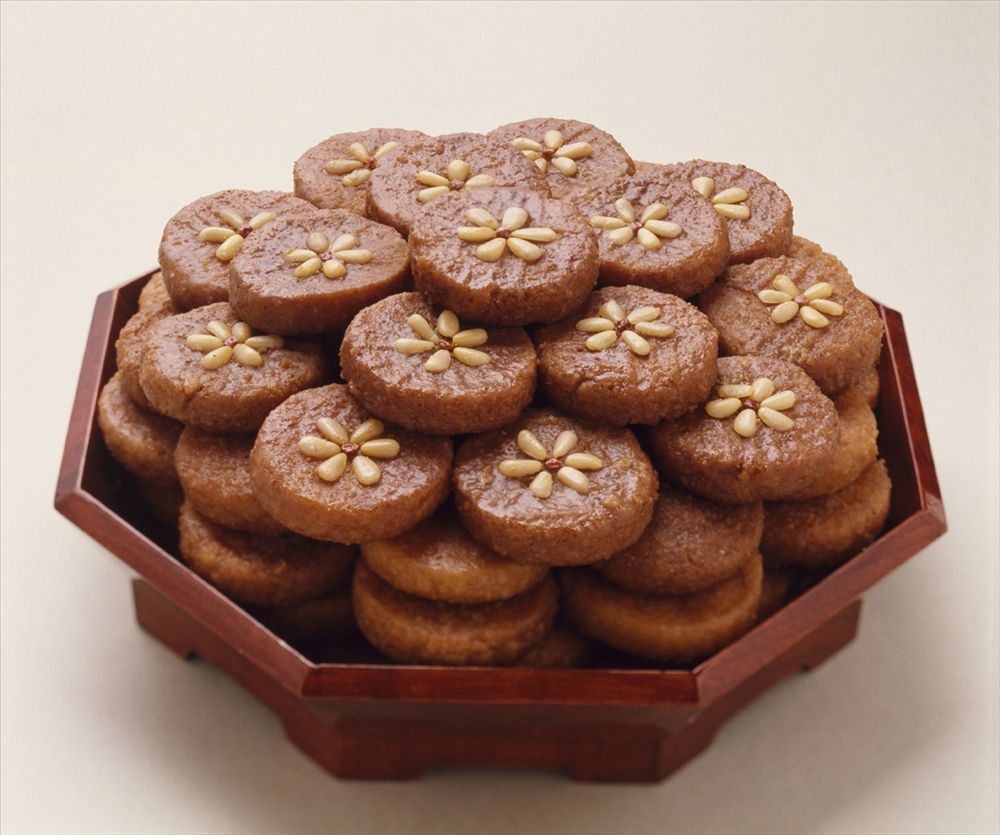
Yakgwa (Honey Cookies)
약과
Romanization: yakgwa
Wheat dough rubbed with sesame oil and bound with honey, pressed into a carved mold, slow-fried and soaked in syrup — the best-known of Korea's honey-and-oil pastries.
- Serves
- 20
- Prep
- 40 min
- Cook
- 40 min
RegionSuwon
Jump to recipeRecipe
Ingredients · Serves 20
- 200 gAll-purpose or cake flour
- 3 tbspToasted sesame oilabout 40 g
- ¼ tspSalt
- 1 pinch eachGround black pepper and cinnamon
- 60 gHoneyfor the dough
- 2 tbspSoju or cheongju
- 1 tbspGinger juice
- 300 gRice syrup (jocheong) or honeyfor the soaking syrup
- 60 mlWaterfor the syrup
- 10 gGingersliced, for the syrup
- 1 smallCinnamon stickor ½ tsp ground cinnamon
- 1 LNeutral oil for frying
- 1 tbspPine nutsfinely chopped, to garnish
Method
Technique: Twigim: Korean Deep-Frying, Making Yeot and Jocheong
Step 1: Simmer the rice syrup, water, sliced ginger and cinnamon for 5 minutes, then remove the ginger and cinnamon and let the syrup cool.
Step 2: Sift the flour with the salt, pepper and cinnamon. Add the sesame oil and rub it in with your fingertips until the flour feels like damp sand, then sift again.
Step 3: Mix the honey, soju and ginger juice, add to the flour and fold and press with a spatula just until it comes together. Don't knead — working the dough develops gluten and makes yakgwa hard.
Step 4: Press the dough into a yakgwa mold and tap out, or roll it 1 cm thick and cut into 4 cm squares. Prick the centers with a skewer so they cook through.
Step 5: Heat the oil to about 110 °C (230 °F). Fry the pieces slowly, in batches, for 10–15 minutes until they rise, open into layers and float. Then raise the heat to 140 °C (285 °F) and fry a few minutes more until deep golden brown.
Step 6: Drain briefly and drop the hot yakgwa into the cooled syrup for at least 1 hour (or overnight). Lift out onto a rack, sprinkle with pine nuts and store airtight.
Origin & History
Yakgwa is the leading member of yumilgwa, the honey-and-oil pastries described in hangwa, where their Goryeo-era fame, the bans of 1192 and 1353 and the dish's Buddhist roots are told. The Encyclopedia of Korean Culture explains the name: yak, medicine, refers to the honey in the dough, in the same sense as yaksik and yakju. The folk encyclopedia's entry, by Jang So-young, adds that sesame oil and honey were both long used as medicines, and that the pastry began as a stand-in for fruit, so a fruit made with medicines became medicine fruit.
The 18th-century scholar Yi Ik, in Seongho saseol, wrote that these grain-and-honey sweets were first shaped like the fruits they replaced, but were later cut square because round pieces were awkward to stack high on ritual tables. Ingredients were costly. The court record of the 1795 banquet for Lady Hyegyeong's sixtieth birthday lists yakgwa made with flour, honey, sesame oil, pine nuts, cinnamon, black pepper, ginger and sugar, and the folk encyclopedia notes that the yakgwa cost 15 nyang, more than twice the 7 nyang for boiled sliced beef. Wheat flour itself was often imported through China.
One town built a reputation on it. The Encyclopedia of Korean Culture relates, from Jeong Yak-yong's Mongmin simseo, that King Injo, ill and unable to find anything to his taste, sent a eunuch for Suwon yakgwa, only to have the magistrate refuse to send a private gift without a formal order. Later, according to Choe Yeong-nyeon's Haedong jukji (1925), Yongjusa, the temple that served the tomb of Crown Prince Sado, made yakgwa good enough for the royal tomb rites. Yakgwa still goes on the ancestral rite table and the wedding gift table, but mass-produced packs have also made it an everyday snack. See Suwon and royal banquets.
Key Ingredients
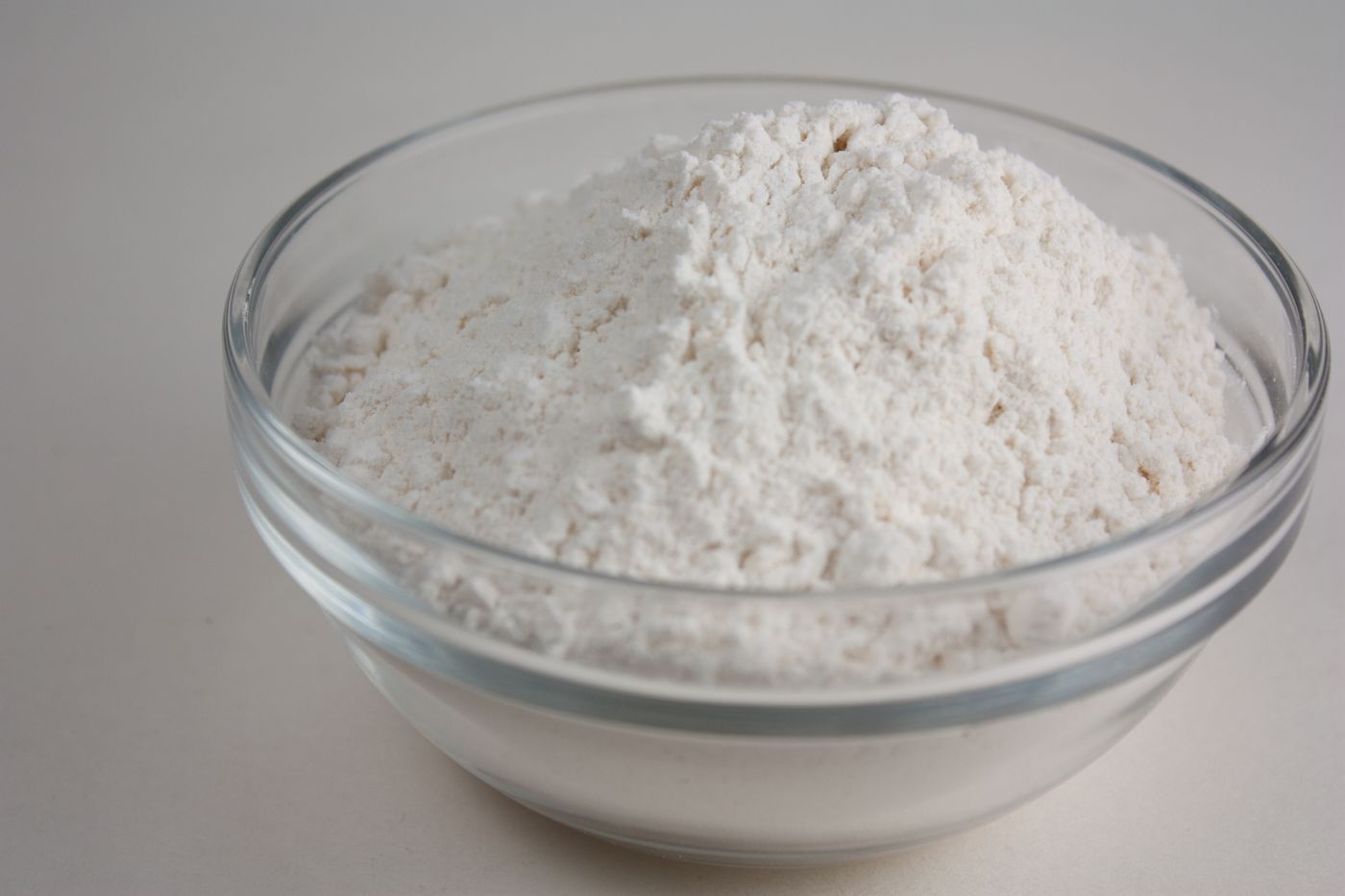 Wheat flour밀가루Finely milled wheat flour, the base of Korean noodles, dumpling wrappers, pancake batters and ramyeon. A luxury for most of Korean history, it became an everyday staple only after the Korean War, when American aid flour flooded the market.
 Sesame참깨Toasted sesame seeds and sesame oil (chamgireum) finish countless Korean dishes, adding a nutty aroma and gloss.
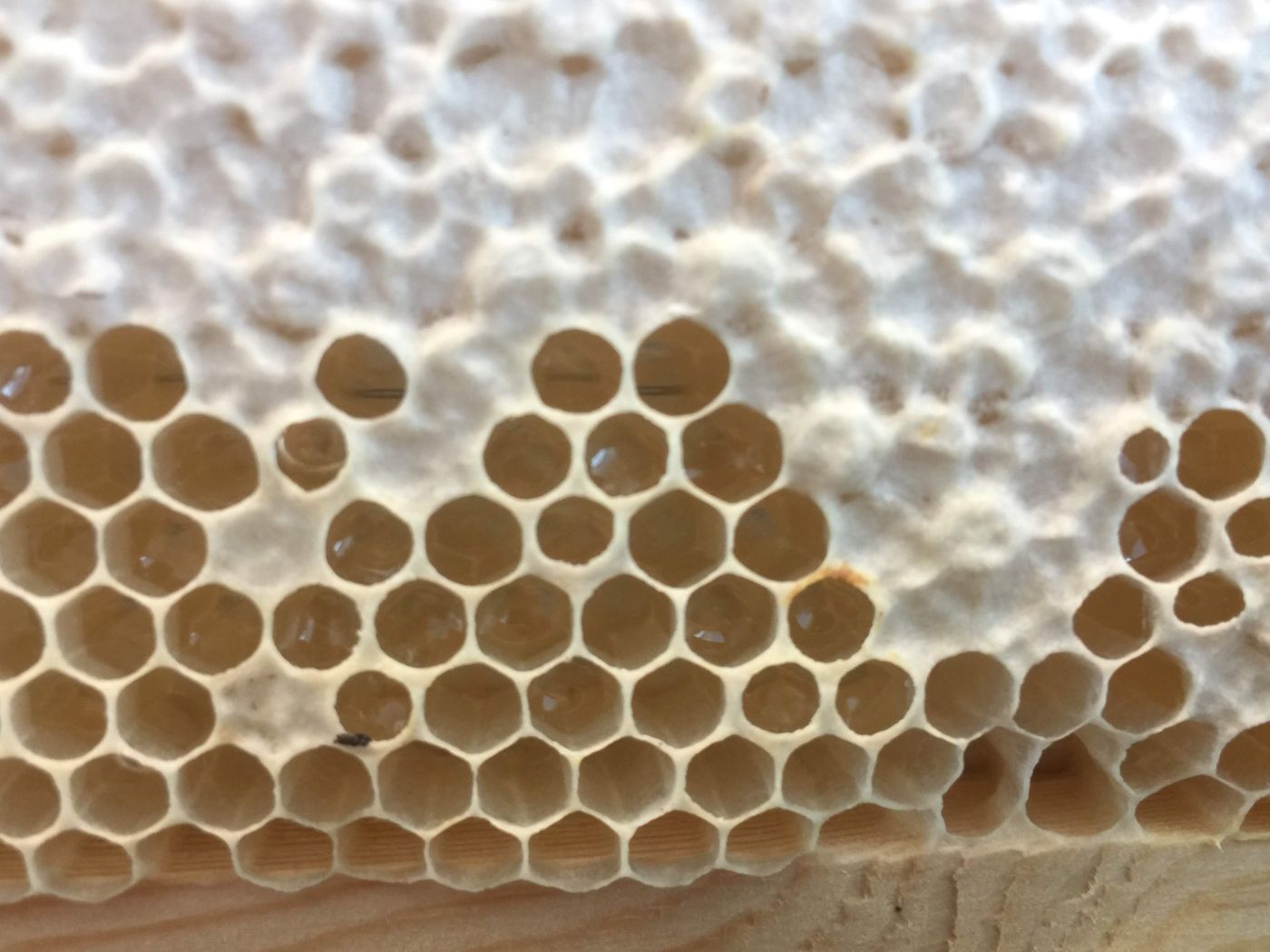 Honey꿀Honey has long been the prized sweetener of the Korean kitchen, used for court sweets like yakgwa and candied jeonggwa, for honey water and for seasoning meat. Korean shops sell native-bee honey (tojongkkul) and the more common Western-bee honey (yangbongkkul).
- Soju (Korean Distilled Spirit)소주Korea's clear spirit, in two forms: traditional distilled soju from fermented rice and other grains, and the far more common diluted (huiseoksik) soju, neutral alcohol cut with water and sweeteners. It is drunk with food and also steeps fruit liqueurs.
 Ginger생강Fresh ginger root, used in small amounts to brighten kimchi paste and marinades and to tame the strong smells of fish and meat.
 Korean grain syrup물엿A clear, glossy syrup used to sweeten and glaze braised and stir-fried banchan. Its traditional relative, jocheong, is a darker malt syrup made by slowly boiling down saccharified rice.
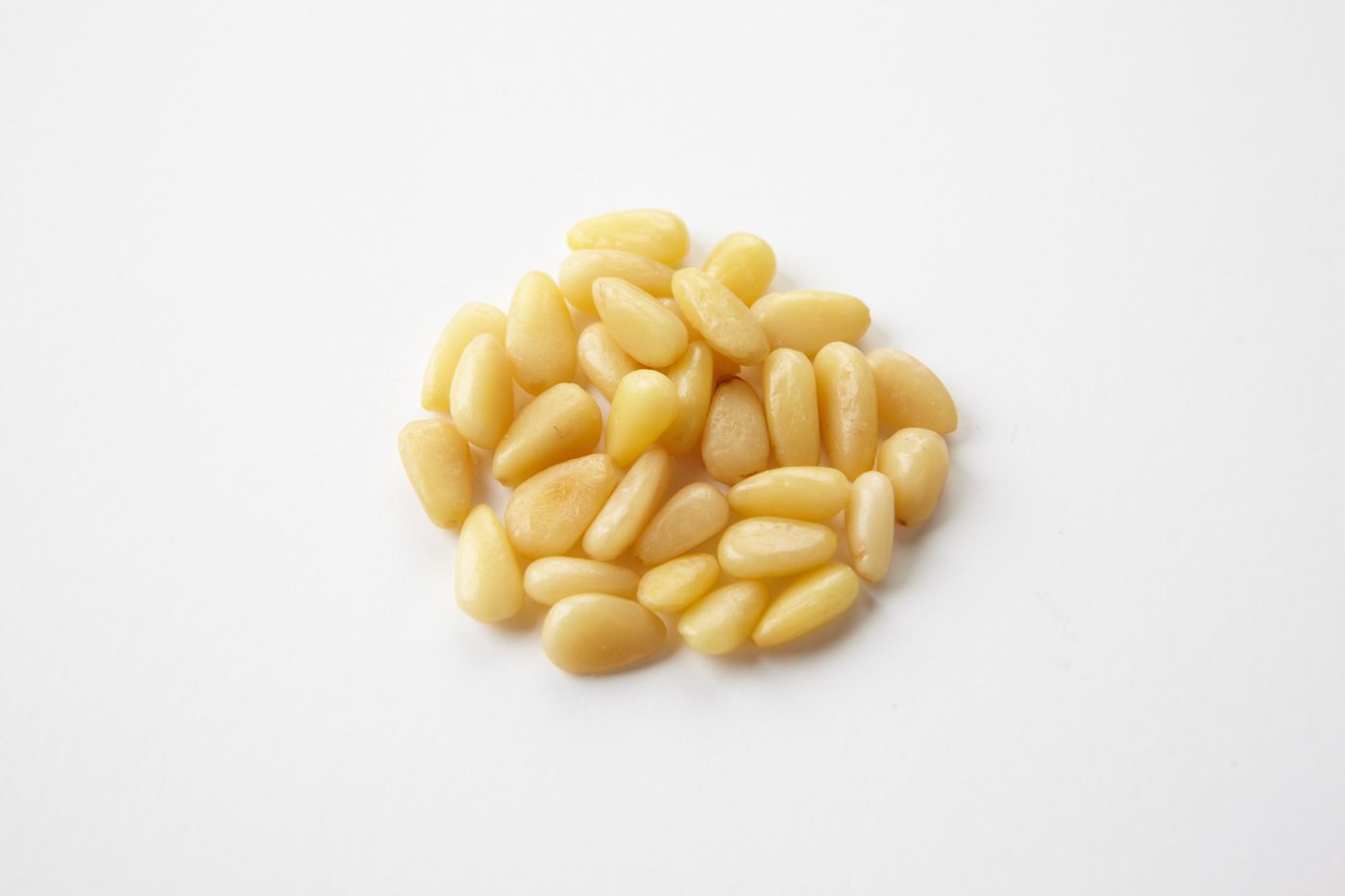 Pine nuts잣Creamy, ivory seeds of the Korean pine, scattered as a finishing garnish on punches, porridges and braises, or ground into the delicate porridge jatjuk. Gapyeong in Gyeonggi-do is the country's pine-nut capital.
Nutrition
| Calories | ~125 kcal |
|---|---|
| Protein | ~1.6 g |
| Fat | ~4.3 g |
| Carbohydrates | ~20 g |
| Fiber | ~0.4 g |
| Sodium | ~28 mg |
Taken from the Korean Food Composition Table entry for plain yakgwa (A0170090009a, 과자, 약과: 418 kcal, 5.2 g protein, 14.3 g fat, 67 g carbohydrate, 1.2 g fiber and 92 mg sodium per 100 g), scaled to a 30 g piece. Homemade pieces vary in size and in how much syrup they absorb. It is a confection and not a meaningful source of vitamins or minerals at this portion. Actual values vary with ingredients, portion size and preparation.
Health Benefits
- A small, ceremonial sweet: yakgwa was made for rites and feasts and is rich enough that one or two pieces satisfy.
- Low in sodium: unlike most banchan, it contains very little salt.
- Traditional associations: honey and sesame oil were traditionally regarded as medicinal, which gave yakgwa its name; this reflects history rather than any proven health effect.
Regional Variations
- By shape: pressed in a patterned mold for classic yakgwa, cut large (dae-yakgwa) or small (so-yakgwa), cut into squares (mo-yakgwa, the shape used for ancestral rites) or pressed in a dasik mold (dasikgwa).
- Suwon yakgwa: the Encyclopedia of Korean Culture records that Yongjusa worked ground pine nuts, pepper, cinnamon and toasted sesame into the dough for an even crisper result.
- Layered mo-yakgwa: dough rolled about 1 cm thick and cut in squares, which separates into flaky layers when slow-fried.
- Commercial yakgwa: small, mold-pressed rounds sold in packs, often sweetened with grain syrup rather than honey.
Pairings
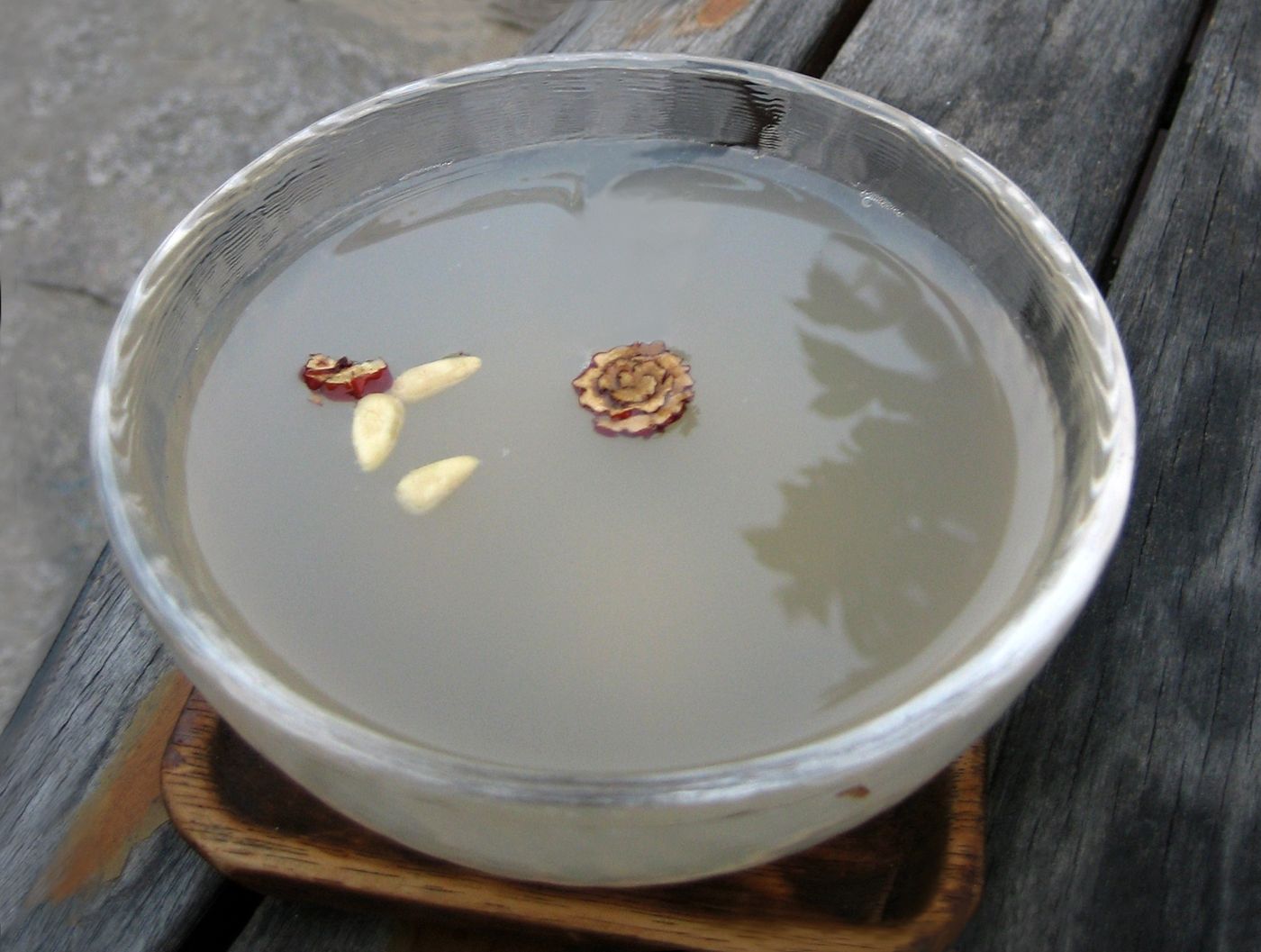 Sikhye (Sweet Malted Rice Drink)식혜Cooked rice steeped in barley-malt water until it sweetens and the grains float, then chilled — the traditional after-feast drink of Korean holidays.
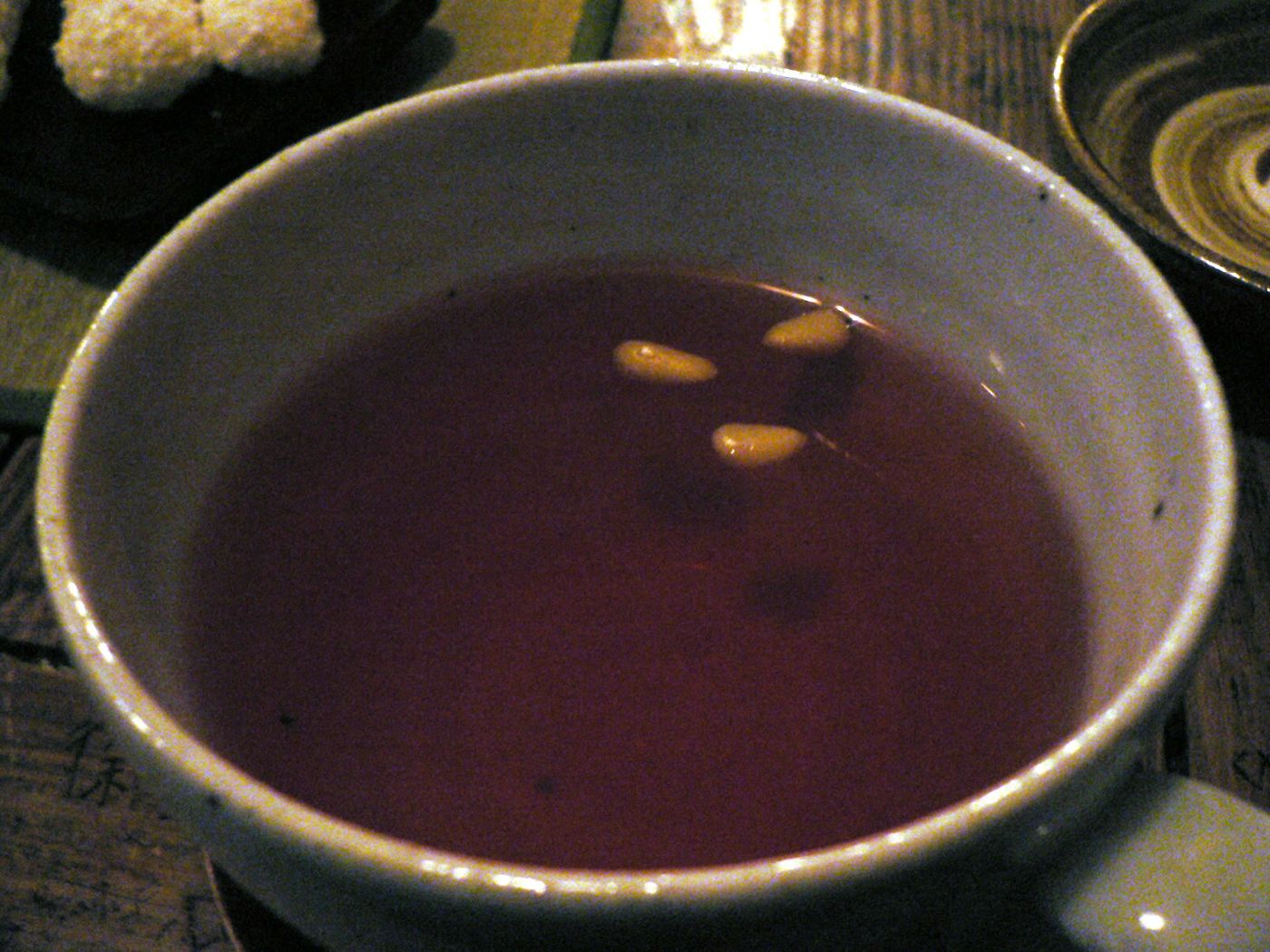 Sujeonggwa (Cinnamon-Ginger Punch with Dried Persimmon)수정과A cold, spicy-sweet punch of ginger and cinnamon simmered separately, sweetened, and served with softened dried persimmons and pine nuts — a New Year drink for guests.
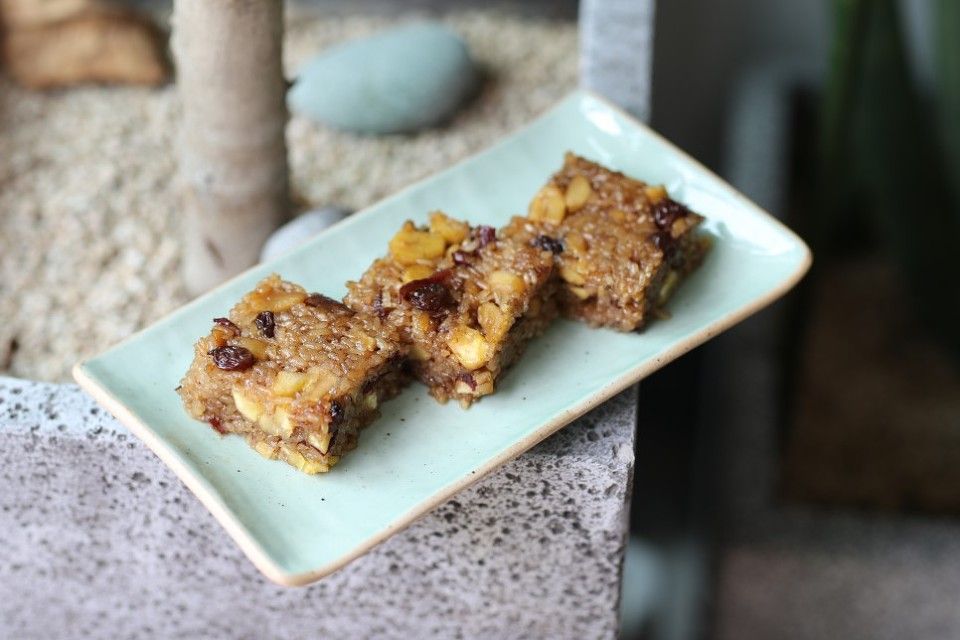 Yaksik (Sweet Rice with Chestnuts, Jujubes and Pine Nuts)약식Steamed glutinous rice darkened with soy sauce, brown sugar and honey and studded with chestnuts, jujubes and pine nuts — a full-moon festival food also called yakbap.
Sources
- 01약과 (藥果, Yakgwa) — Encyclopedia of Korean Culture
- 02약과 (Yakgwa) — Encyclopedia of Korean Folk Culture, National Folk Museum of Korea
- 03유밀과 (油蜜果, Yumilgwa) — Encyclopedia of Korean Culture
- 04수원약과 (水原薬果, Suwon yakgwa) — Encyclopedia of Korean Culture
- 05Snack, Yakgwa, Plain (A0170090009a) — Korean Food Composition Table
Last updated