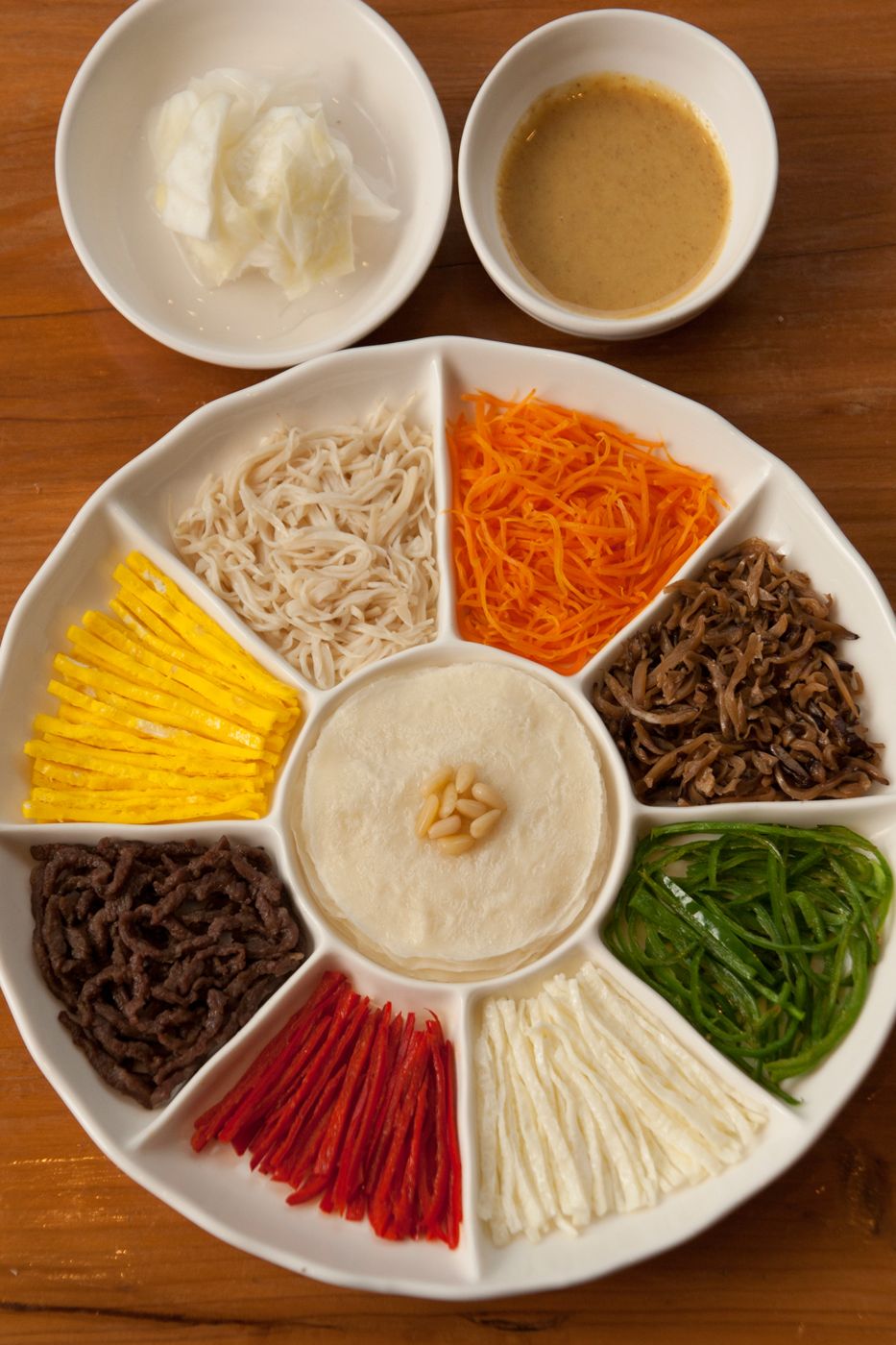
 Photo: 국립국어원, CC BY-SA 2.0 kr, via Wikimedia Commons
More dishes 기타
Gujeolpan (Platter of Nine Delicacies)
구절판
Romanization: gujeolpan
Eight finely cut fillings arranged by color around a stack of paper-thin crepes in a nine-compartment dish, wrapped at the table — an elegant banquet dish.
- Serves
- 6
- Prep
- 60 min
- Cook
- 45 min
RegionSeoul & Gyeonggi
Jump to recipeRecipe
Ingredients · Serves 6
- 100 gAll-purpose flourfor the crepes
- 180 mlWaterfor the crepes
- 150 gBeef (top round or sirloin)cut into fine matchsticks
- 1 tbsp + 1 tspSoy saucedivided, for beef and mushrooms
- 1 tspSugarfor the beef
- 1 cloveGarlicminced
- 1 tspToasted sesame oil
- 2 largeEggsyolks and whites separated
- 150 gCucumberouter green part only, julienned
- 100 gKorean zucchini (aehobak)outer green part only, julienned
- 100 gCarrotjulienned
- 15 gDried shiitake mushroomsabout 5, soaked until soft and finely sliced
- 150 gMung bean sproutstails trimmed
- 1 tbspPine nuts
- ¾ tspSaltdivided
- 3 tbspNeutral cooking oildivided, for crepes and stir-frying
- Mustard sauce1 tsp prepared Korean mustard, 1 tbsp vinegar, 1 tsp sugar, ½ tsp soy sauce, 1 tbsp water
Method
Technique: Bokkeum: Korean Stir-Frying, Jeon: Pan-Frying in Flour and Egg
Step 1: Whisk the flour, water and a pinch of salt into a smooth batter, strain it, and let it rest for 20 minutes.
Step 2: Heat a nonstick skillet over low heat and wipe it with a little oil. Spoon in about 1 tbsp batter and spread it into a very thin round about 8 cm across. Cook until set without browning, flip for a few seconds, and transfer to a plate. Repeat to make about 24 crepes, stacking them with a pine nut or two between each so they separate easily.
Step 3: Beat the yolks and whites separately with a pinch of salt each. Cook each as a thin sheet in a lightly oiled pan over low heat, cool, and cut into fine strips.
Step 4: Toss the cucumber and zucchini with a little salt, leave for 10 minutes and squeeze dry. Stir-fry each separately in a little oil for 30–60 seconds over high heat, spreading them on a plate to cool so they stay green. Stir-fry the carrot with a pinch of salt until just tender.
Step 5: Blanch the mung bean sprouts for 2 minutes, drain, squeeze lightly and season with a pinch of salt.
Step 6: Mix the shiitake with 1 tsp soy sauce and stir-fry for 2 minutes. Mix the beef with the remaining soy sauce, sugar, garlic and sesame oil and stir-fry until just cooked, about 2 minutes.
Step 7: Pile the crepes in the center compartment and arrange the eight fillings around them, placing contrasting colors next to each other. Mix the mustard sauce.
Step 8: To eat, place a crepe on your plate, add a little of several fillings, drizzle with mustard sauce, fold or roll, and eat in one or two bites.
Origin & History
Gujeolpan (九節板) takes its name from its vessel, a dish divided into nine compartments. The Encyclopedia of Korean Culture describes the vessel as a craft object, usually lacquered and inlaid with mother-of-pearl, though now also made from porcelain, glass, plastic or silver, and notes that a lacquered compartment box of this kind has been excavated from a Silla-period tomb. The central section holds thin wheat crepes (miljeonbyeong); the eight around it hold colorful fillings that each diner wraps into a crepe and dips in mustard or vinegar-soy sauce.
The dish is often called royal cuisine, and the encyclopedia says gujeolpan was served in the palace and in aristocratic yangban households as a seasonal dish for Yudu, the midsummer festival on the 15th day of the sixth lunar month. Written recipes, however, are surprisingly recent: they appear in books from the 1930s onward, such as Joseon yorihak (1940) and the court-cuisine compendium Ijo gungjeong yori tonggo (1957), and are not found in earlier texts. See also royal court cuisine.
Gujeolpan is closely associated with Seoul's refined cooking, which the encyclopedia characterizes as formal and visually elaborate under court influence, and it appears in its list of Seoul dishes. The Korean Food Promotion Institute distinguishes a court style — finely shredded beef, water dropwort, shiitake, egg strips, mung bean sprouts and radish — from home styles built on other colorful foods, such as water dropwort rolls, raw carrot salad, beef tartare or egg wraps. The same vessel is also used for geon-gujeolpan, a "dry" version filled with nuts, dried fruit and sweets for drinking tables and tea tables.
Key Ingredients
 Soy sauce간장Korean soy sauce, in two main kitchen forms: pale, salty guk-ganjang (soup soy sauce) brewed the traditional way from meju, and darker, sweeter jin-ganjang for braises and marinades.
 Garlic마늘Used raw, minced, pickled and roasted, garlic is one of the essential aromatics of Korean food — in seasonings, marinades, kimchi and namul.
 Sesame참깨Toasted sesame seeds and sesame oil (chamgireum) finish countless Korean dishes, adding a nutty aroma and gloss.
- Cucumber오이Slender, thin-skinned Korean cucumbers, prized for their crunch. Stuffed and fermented as oi-sobagi, dressed quickly as oi-muchim, salted into oiji or floated in chilled summer soup.
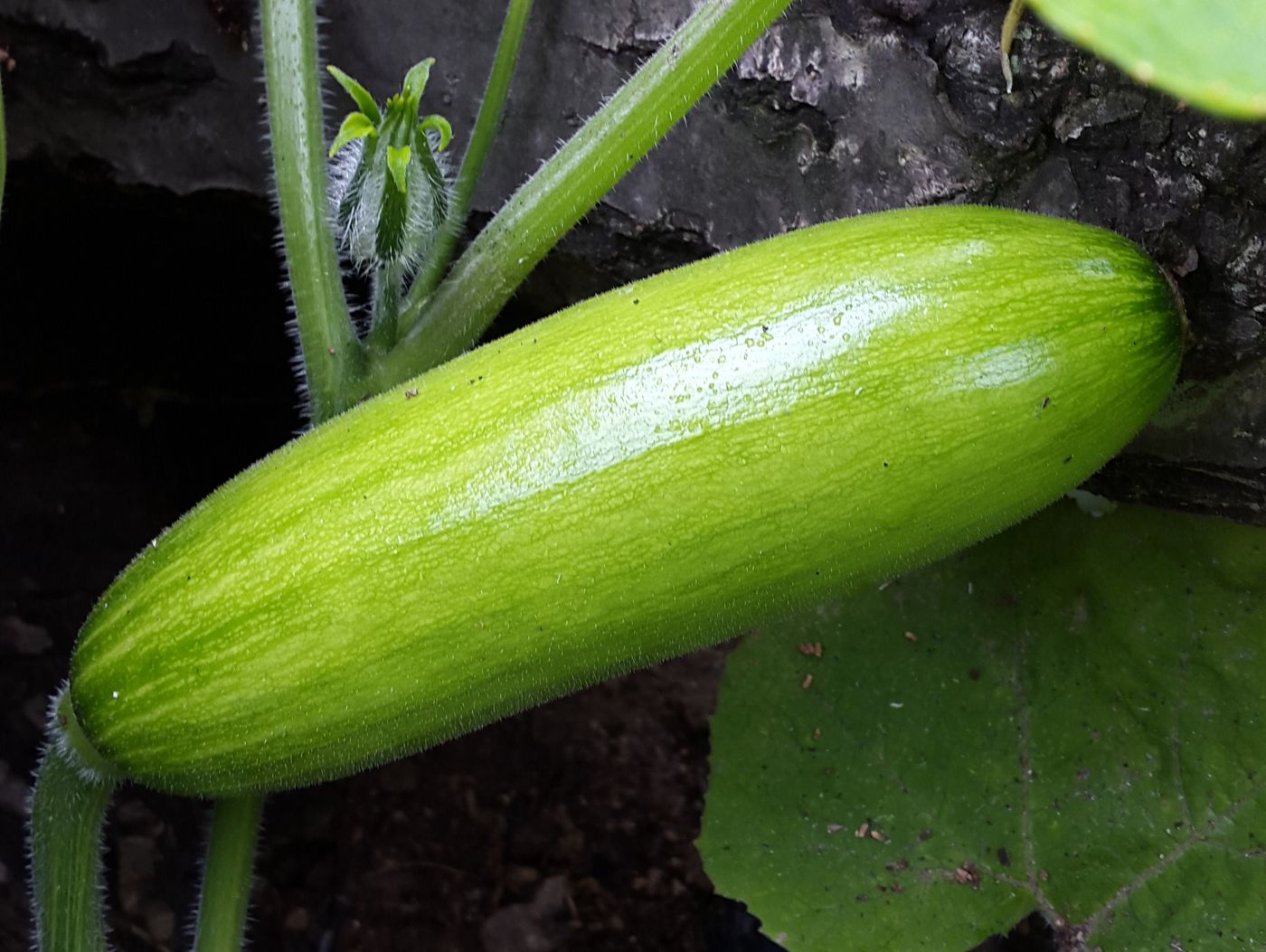 Korean zucchini애호박A pale-green young squash with thin, smooth skin and tender flesh. Sliced into rounds for hobak-jeon, sautéed as namul and added to doenjang stews.
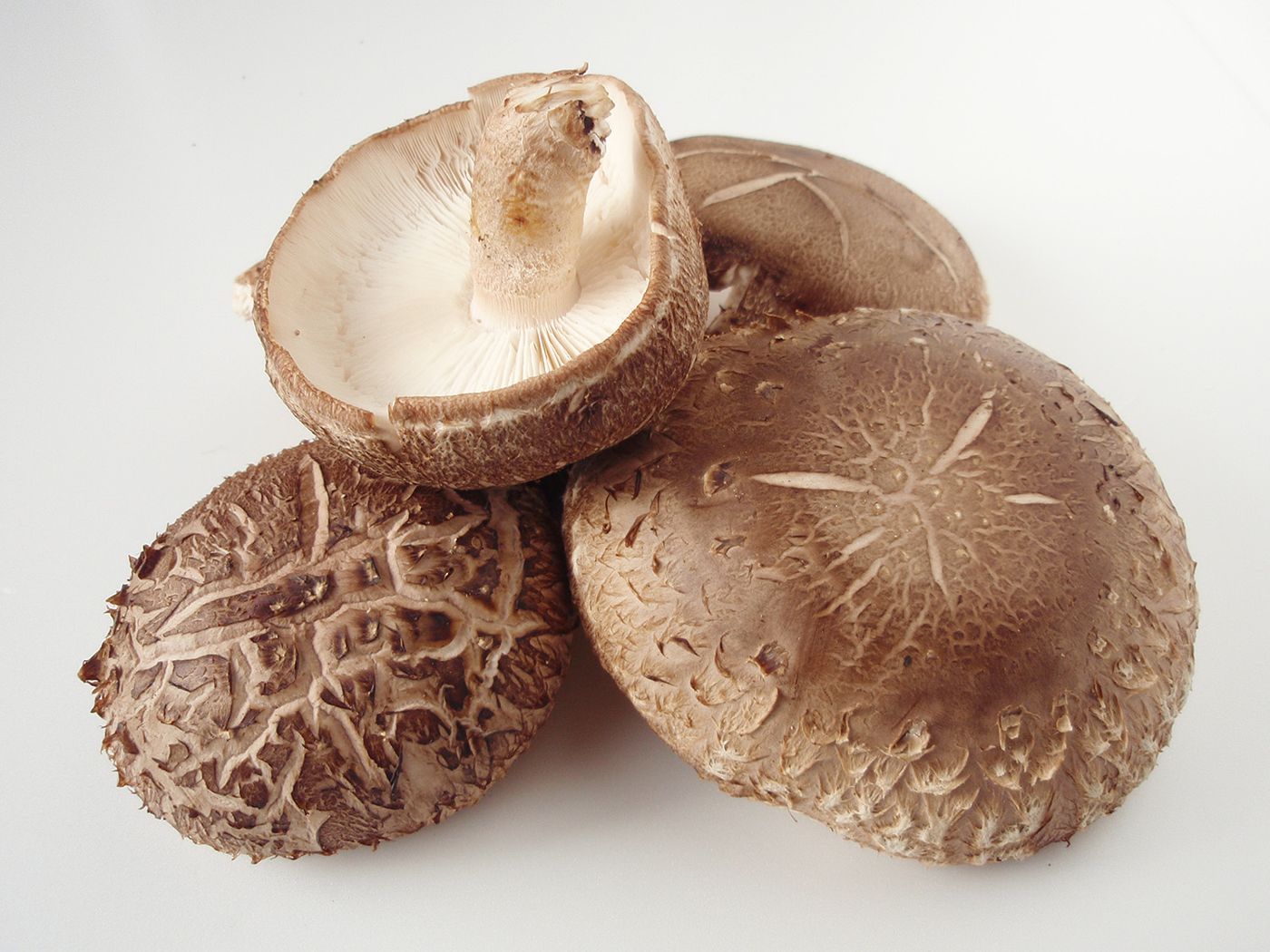 Shiitake mushroom표고Dark-capped, meaty mushrooms known in Korean as pyogo or pyogo-beoseot. Used fresh in stir-fries and pan-fried dishes, and dried for a deeply savory broth and an intensely aromatic bite.
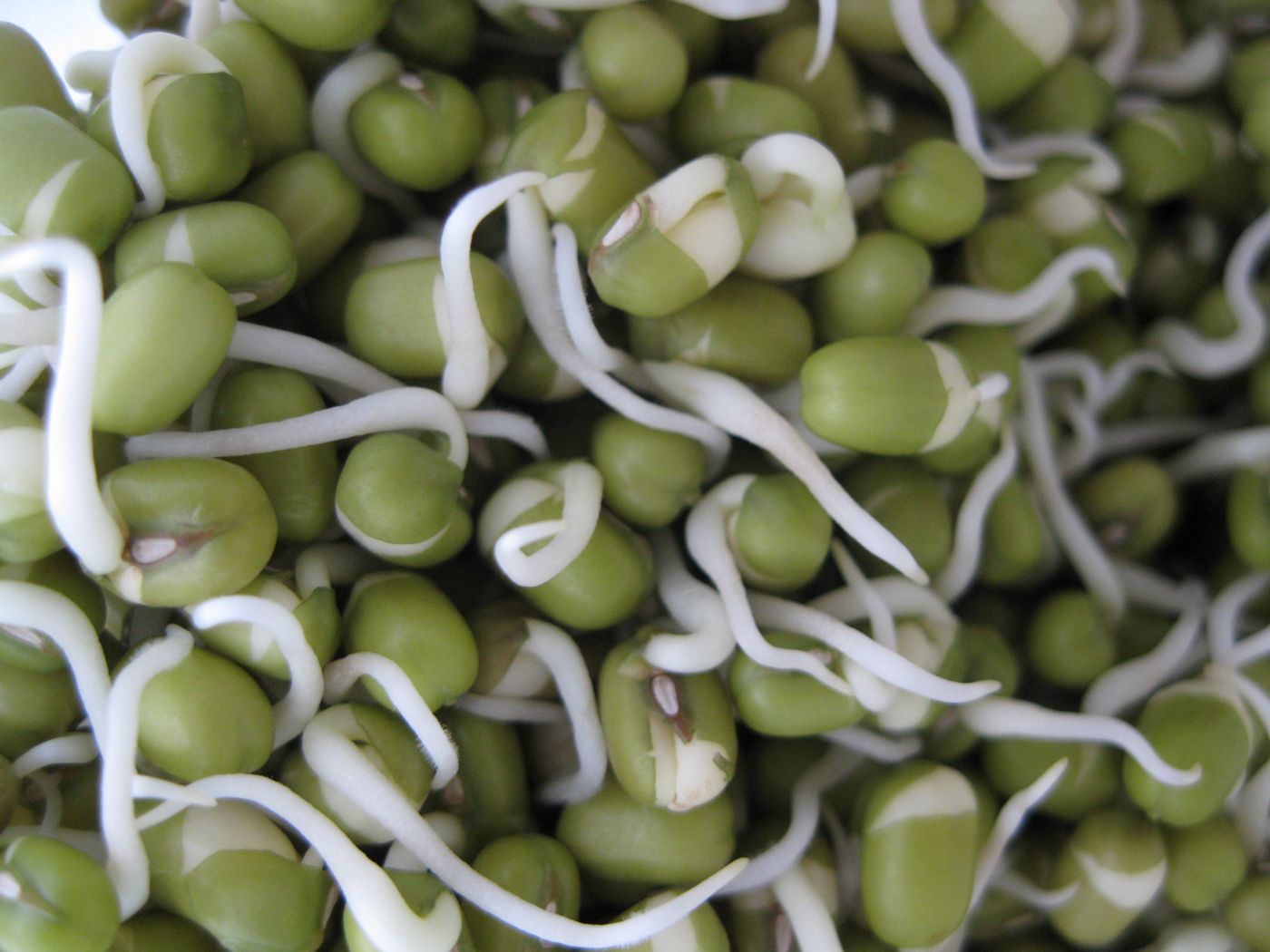 Mung bean sprouts숙주나물Short, plump, delicate sprouts grown from mung beans. Quickly blanched and seasoned as sukju-namul, they are milder and more tender than soybean sprouts.
Nutrition
| Calories | ~225 kcal |
|---|---|
| Protein | ~11.7 g |
| Fat | ~11.4 g |
| Carbohydrates | ~20.4 g |
| Fiber | ~2 g |
| Sodium | ~470 mg |
Notable forVitamin A (as carotenoids) · Protein · Folate · Selenium
Estimated by summing USDA FoodData Central (SR Legacy) values for enriched all-purpose flour (FDC 168894), lean raw top round beef (FDC 173983), raw whole egg (FDC 171287), raw cucumber, raw zucchini, raw carrot (FDC 170393), dried shiitake (FDC 168436), raw mung bean sprouts, pine nuts, soy sauce, sugar, garlic, table salt, sesame oil and soybean oil, divided by 6. Assumes all the salt and oil stay in the dish (salt squeezed out of the cucumber and zucchini would lower the sodium). Excludes the mustard sauce. Vitamin A comes mostly from the carrot. Actual values vary with ingredients, portion size and preparation.
Health Benefits
- Variety on one platter: eight fillings combine vegetables, mushrooms, beef and egg, so each wrap mixes protein, vegetables and a modest amount of starch.
- Vegetables and carotenoids: carrot, cucumber and zucchini add color, vitamin A (as carotenoids) and some vitamin C.
- Portion control built in: small crepes and fillings eaten a little at a time make it a light, slowly paced dish compared with many banquet foods.
Regional Variations
- Classic fillings: the encyclopedia's recipe uses stir-fried shredded beef, yellow and white egg strips, cucumber or zucchini, shiitake and seogi (rock tripe) mushrooms, beef omasum or abalone, and carrot, with pine nuts between the crepes.
- Court and home styles: the Korean Food Promotion Institute describes a court version with minari, mung bean sprouts and radish, while the encyclopedia notes that shrimp or chicken breast can be used according to season and taste.
- Glutinous rice crepes: some cooks make the wrappers from glutinous rice flour for a chewier bite.
- Geon-gujeolpan: chestnuts, walnuts, ginkgo nuts, jujubes, pine nuts and dried persimmon for drinks, or gangjeong, jeonggwa and dasik sweets for tea.
Pairings
 Japchae (Glass Noodles with Vegetables)잡채Chewy sweet potato glass noodles tossed with stir-fried vegetables, mushrooms and beef in soy sauce and sesame oil — Korea's essential celebration dish.
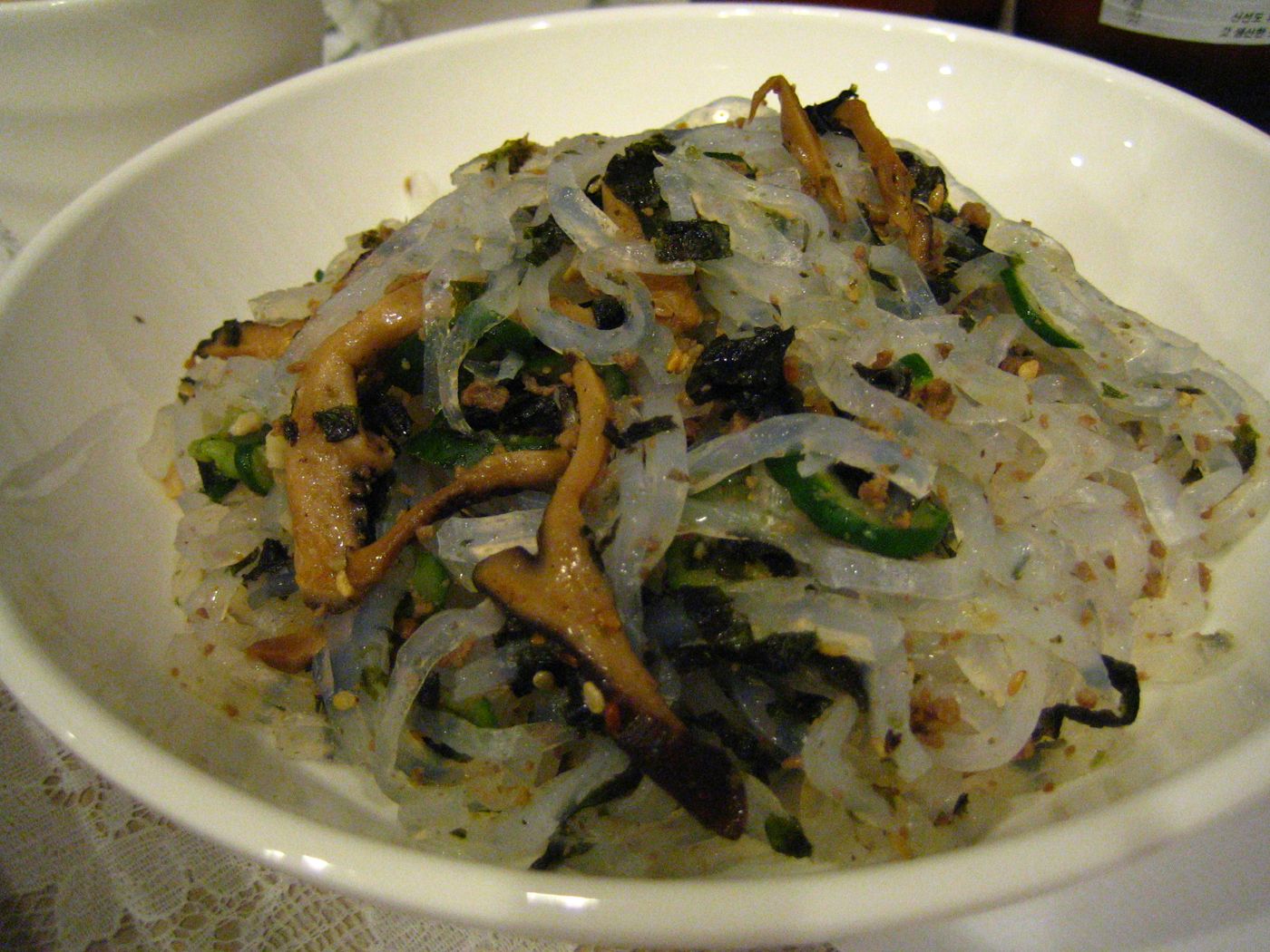 Tangpyeongchae탕평채Mung bean jelly tossed with beef, sprouts, water dropwort, egg and roasted gim in a soy-vinegar dressing — a classic spring dish named after a Joseon policy of political harmony.
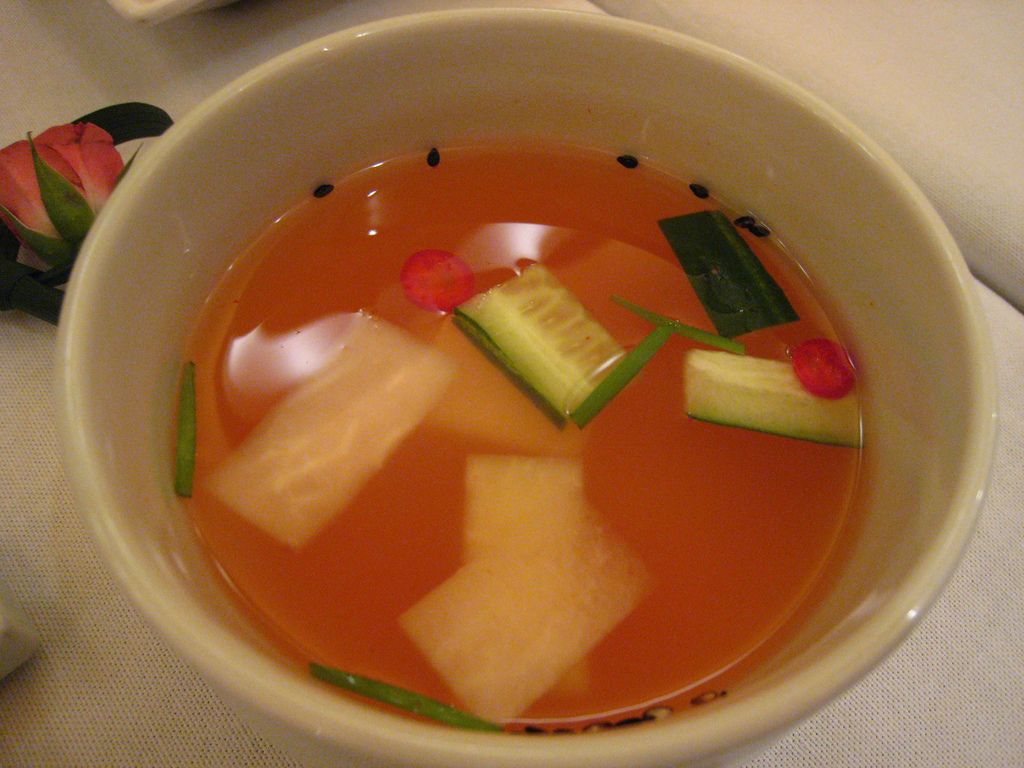 Radish and Cabbage Water Kimchi나박김치Thin squares of radish and napa cabbage in a lightly salted, pink-tinted broth — a mild, refreshing water kimchi eaten by the spoonful.
Sources
- 01구절판 (Gujeolpan) — Encyclopedia of Korean Culture
- 02한식이야기: 구절판 (Korean Food Story: Gujeolpan) — Korean Food Promotion Institute
- 03향토음식 (Regional Foods) — Encyclopedia of Korean Culture
- 04Beef, round, top round roast, boneless, separable lean and fat, trimmed to 0" fat, choice, raw (FDC 173983) — USDA FoodData Central
Last updated