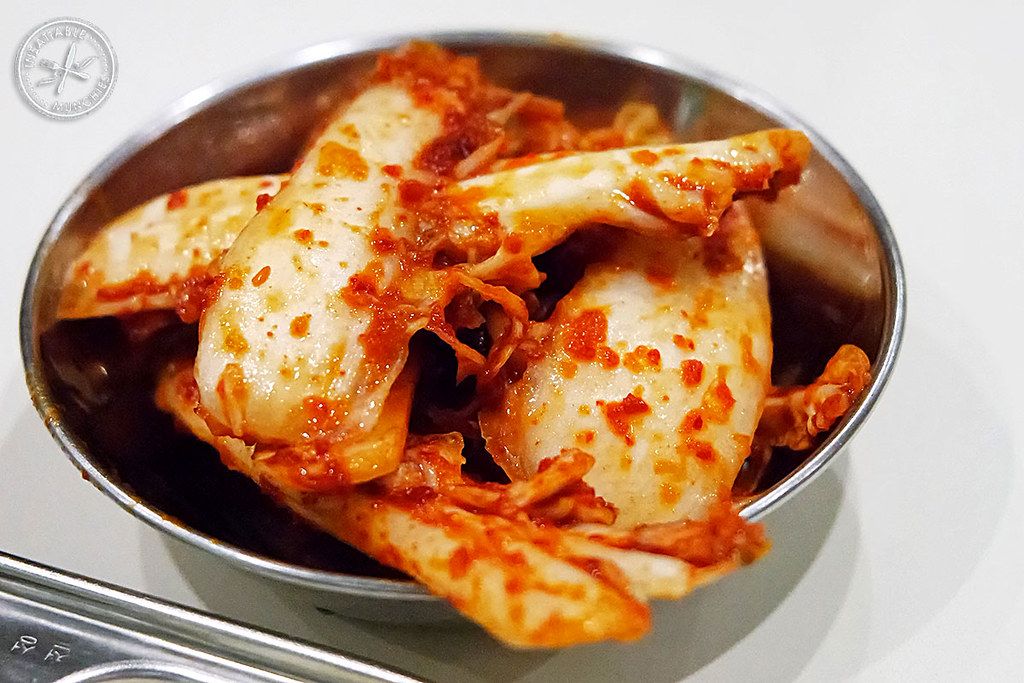
 Photo: insatiablemunch, CC BY 2.0, via Flickr
Kimchi 김치
Fresh Cabbage Kimchi
겉절이
Romanization: geotjeori
Napa cabbage salted only briefly, then tossed with chili, garlic and fish sauce and eaten the same day — kimchi at its freshest, crisp and bright.
- Serves
- 12
- Prep
- 30 min
- Cook
- 0 min
RegionJeonju · Gyeongsang
Jump to recipeRecipe
Ingredients · Serves 12
- 1 kgYoung napa cabbage or inner leaves
- 50 gCoarse sea salt (cheonilyeom), non-iodizedabout ⅓ cup
- 20 gGochugaru (Korean chili flakes)about 3 tbsp
- 2 tbspAnchovy fish sauce (myeolchi-aekjeot)
- 1 tbspSoy sauce (ganjang)
- 4 clovesGarlicminced
- 1 tspGingerminced
- 1 tbspSugar
- 3 stalksGreen onionsabout 50 g, cut into 3 cm lengths
- 1 tbspToasted sesame oilomit for Jeonju style
- 1 tbspToasted sesame seeds
Method
Technique: Making Kimchi
Step 1: Separate the cabbage leaves, wash them and tear or cut them into long, bite-size strips, keeping the stems slightly narrower than the leafy parts.
Step 2: Sprinkle the salt over the damp cabbage, tossing so it is evenly coated. Leave for 40–60 minutes, turning once or twice, until the stems are flexible but still crisp.
Step 3: Rinse the cabbage twice in cold water and drain well in a colander for 20–30 minutes, pressing lightly to remove excess water.
Step 4: In a large bowl, mix the gochugaru with the fish sauce, soy sauce, garlic, ginger and sugar into a loose paste and let it sit for a few minutes so the chili softens.
Step 5: Add the cabbage and green onions and toss gently with gloved hands until every piece is coated. Taste and adjust with a little more fish sauce or sugar.
Step 6: Just before serving, drizzle with sesame oil and scatter the sesame seeds. Geotjeori is best the day it is made; leftovers can be refrigerated in a covered container for 2–3 days, where they will soften and gradually begin to ferment.
Origin & History
Geotjeori takes its name from the idea of salting only the outside (geot) of the vegetable. Instead of the long salting and slow ripening of storage kimchi, leaves are wilted briefly in salt, dressed with seasonings and eaten right away or within a few days. Korean references describe it as kimchi in the spirit of saengchae, a fresh, raw salad-like dish.
Almost any tender vegetable can be treated this way. The Encyclopedia of Korean Folk Culture notes that one Korean kimchi encyclopedia lists some fifty versions, from lettuce, perilla leaves and spinach to young radish and spring cabbage (bomdong), but napa cabbage geotjeori is by far the most common. Traditionally it was made in spring, when the last of the winter kimchi had gone sour and something fresh was welcome, and again in autumn with tender cabbage before kimjang.
Because it skips fermentation, some food scholars have argued that geotjeori is not strictly kimchi at all. In everyday Korean food culture, though, it is treated as kimchi meant for eating straight away rather than for keeping.
Key Ingredients
 Napa cabbage배추The tall, pale, tightly headed cabbage at the heart of Korea's best-known kimchi. Salted, layered with seasoning and left to ferment, it becomes baechu-kimchi; fresh, it goes into soups, wraps and quick salads.
 Sun-Dried Sea Salt천일염Coarse sea salt made by evaporating seawater with sun and wind in tidal-flat salt pans, most of it from Sinan County off Korea's southwest coast. It is the everyday salt for salting cabbage and making jang.
 Gochugaru고춧가루Korean red chili powder, made from dried red peppers ground coarse or fine. It gives kimchi, gochujang and countless banchan their color and warmth.
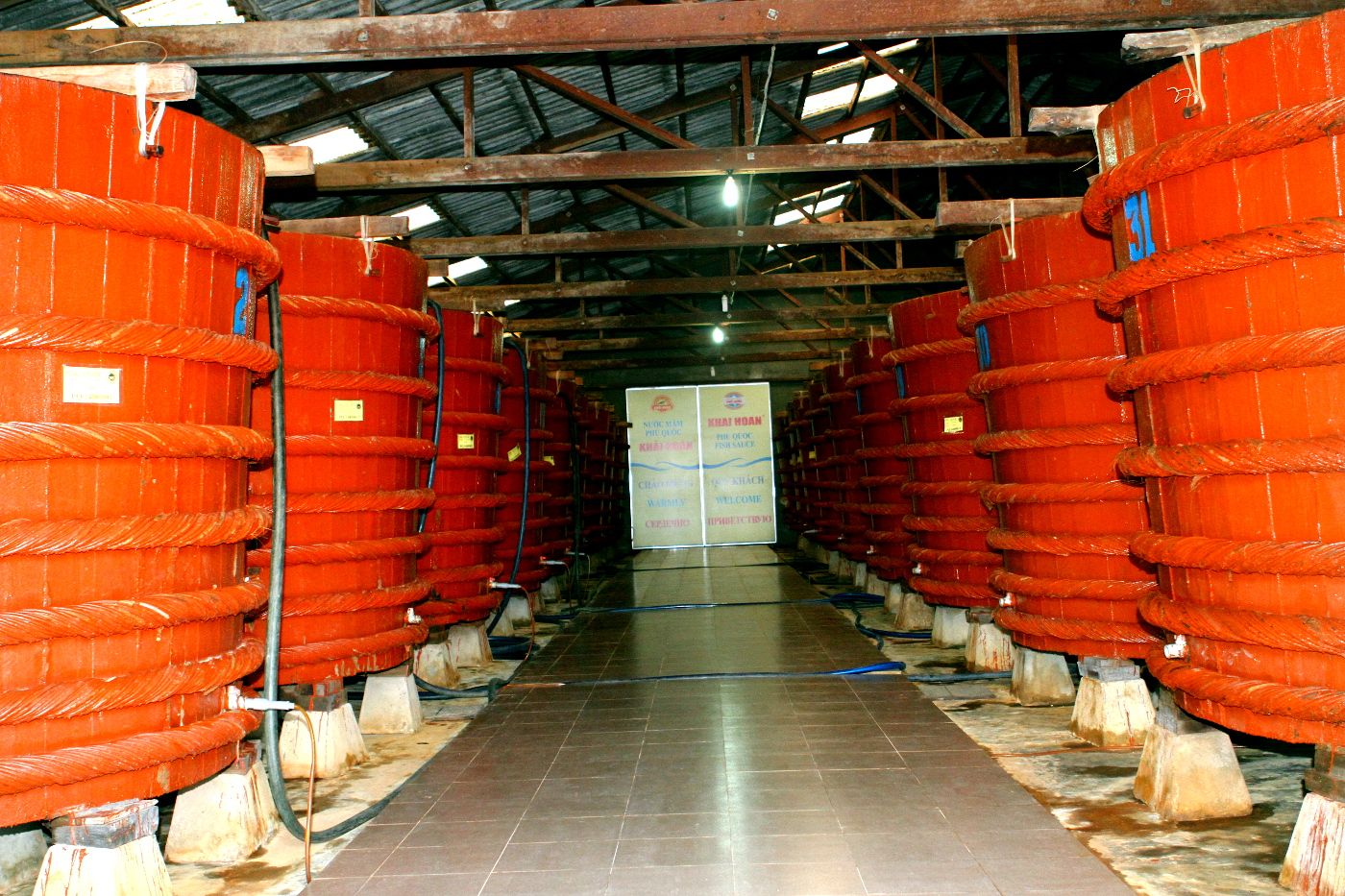 Anchovy fish sauce멸치액젓The clear amber liquid drawn from salted, fermented anchovies. A jeotgal in liquid form, it is the savory backbone of much southern-style kimchi and a quick seasoning for soups and namul.
 Soy sauce간장Korean soy sauce, in two main kitchen forms: pale, salty guk-ganjang (soup soy sauce) brewed the traditional way from meju, and darker, sweeter jin-ganjang for braises and marinades.
 Garlic마늘Used raw, minced, pickled and roasted, garlic is one of the essential aromatics of Korean food — in seasonings, marinades, kimchi and namul.
 Ginger생강Fresh ginger root, used in small amounts to brighten kimchi paste and marinades and to tame the strong smells of fish and meat.
 Green onion파Korean green onion (pa), from thick-stemmed daepa to slender scallions — chopped into nearly every seasoning sauce, soup and kimchi, and the star of pa-kimchi.
 Sesame참깨Toasted sesame seeds and sesame oil (chamgireum) finish countless Korean dishes, adding a nutty aroma and gloss.
Nutrition
| Calories | ~40 kcal |
|---|---|
| Protein | ~1.7 g |
| Fat | ~1.9 g |
| Carbohydrates | ~5.6 g |
| Fiber | ~1.7 g |
| Sodium | ~640 mg |
Notable forVitamin K · Vitamin C
Estimate. No measured value for geotjeori was found in the Korean Food Composition Table or USDA FoodData Central. Calculated by assuming the 1 kg of cabbage yields about 800 g after salting and using the Korean Food Composition Table entry “Kimchi cabbage (Baechu), Salted” (per 100 g: 17 kcal, 488 mg sodium) for it, plus USDA FoodData Central values for the seasonings (cayenne pepper as a stand-in for gochugaru), then dividing by 12. Sodium depends heavily on how long the cabbage is salted and how well it is rinsed. Actual values vary with ingredients, portion size and preparation.
Health Benefits
- Fresh vegetables: because the cabbage is barely salted and not fermented, geotjeori keeps much of the crisp texture and fresh flavor of raw cabbage, a source of vitamin C and vitamin K.
- An easy entry point: quick to make and salad-like, it is a gentle introduction for people who are not used to the sourness of ripe kimchi.
- Not a fermented food: eaten fresh, geotjeori does not offer the lactic acid bacteria of aged kimchi.
Regional Variations
- Jeonju: known as saengji as well as geotjeori; Jeonju cooks traditionally leave out sesame oil.
- Gyeongsang: often called nal-kimchi, "raw kimchi."
- Spring cabbage (bomdong) geotjeori: made with the flat, sweet winter-grown cabbage that signals the start of spring.
- Lettuce geotjeori: a soy-sauce dressing is spooned over unsalted lettuce leaves layer by layer; fish sauce can stand in for soy sauce.
Pairings
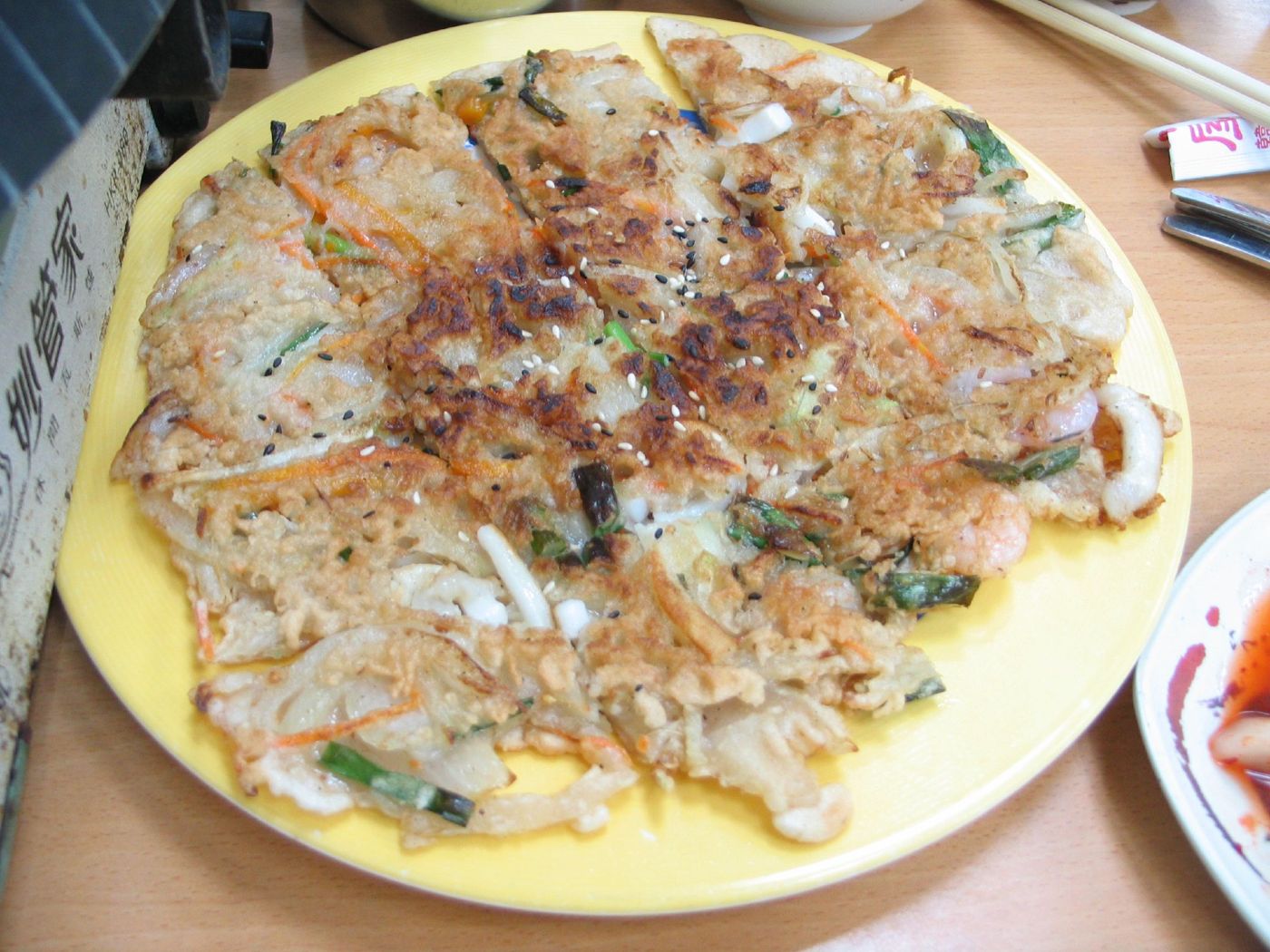 Haemul Pajeon (Seafood and Green Onion Pancake)해물파전Whole green onions bound in a light batter with squid, shrimp and clams, pan-fried until crisp — a generous jeon for sharing, closely tied to Busan's Dongnae.
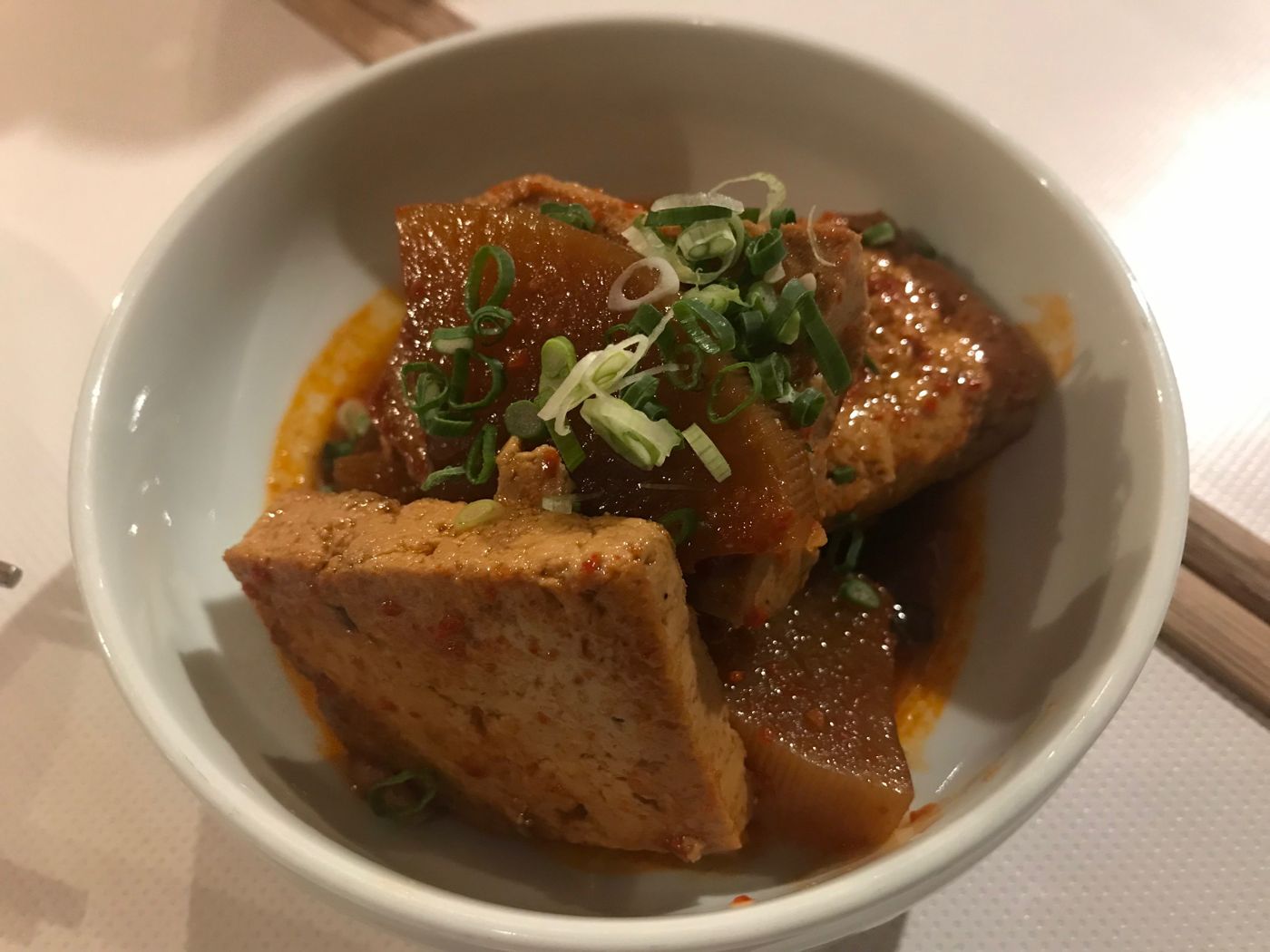 Dubu Jorim두부조림Slices of firm tofu pan-fried until golden, then simmered in a garlicky soy and chili sauce — an inexpensive, protein-rich staple of Korean home cooking.
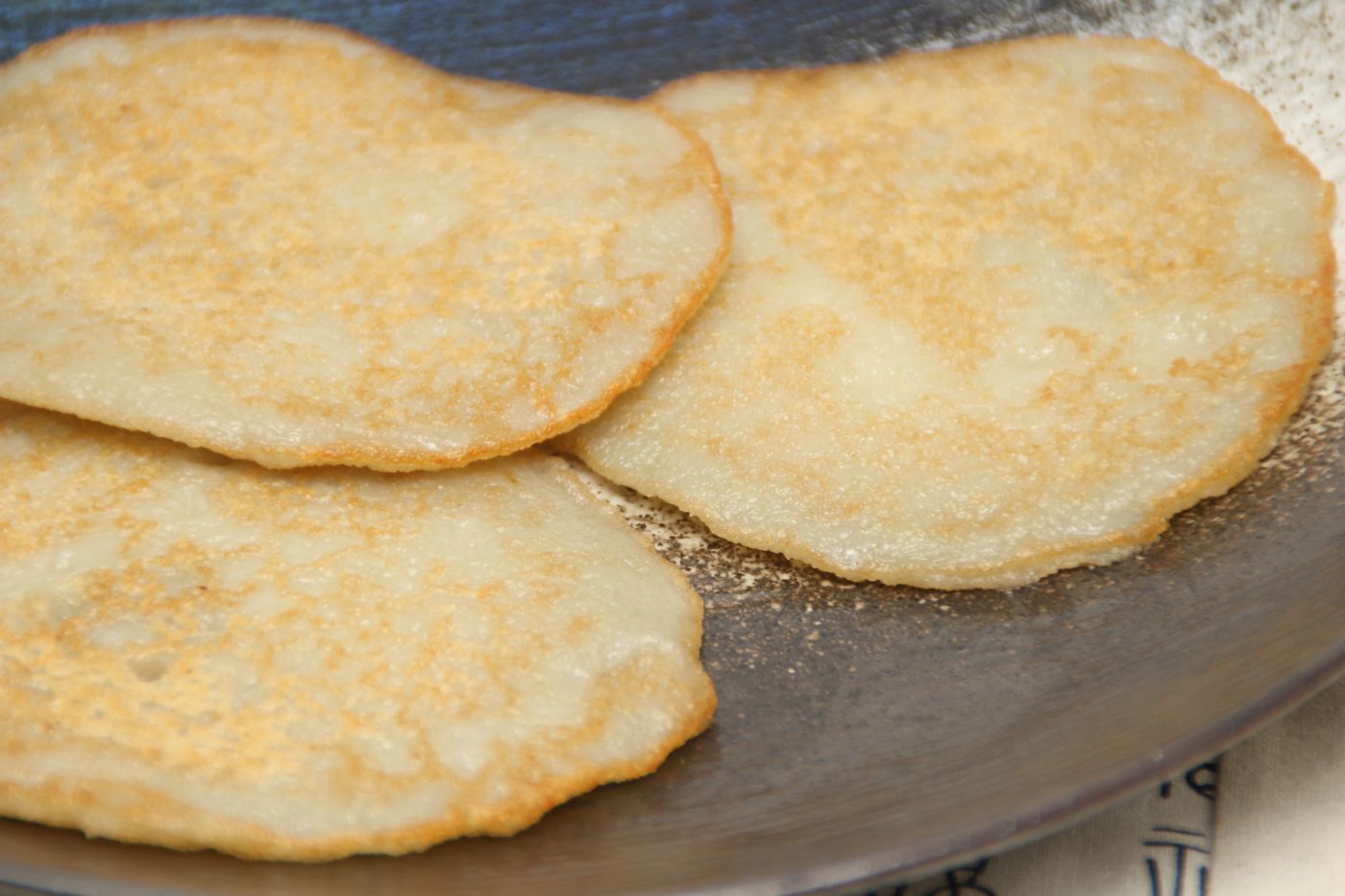 Gamja Jeon (Potato Pancake)감자전Finely grated potato, bound only by its own starch, pan-fried into crisp-edged, chewy rounds — a simple Gangwon-style jeon.
 Kongnamul Muchim콩나물무침Soybean sprouts cooked under a lid until just tender, then tossed with garlic, green onion and sesame oil — crisp, nutty and on tables across Korea.
Sources
- 01겉절이 - 한국민족문화대백과사전 (Encyclopedia of Korean Culture)
- 02겉절이 - 한국민속대백과사전 (Encyclopedia of Korean Folk Culture)
- 03Korean Food Composition Table: Kimchi cabbage (Baechu), Salted — National Institute of Agricultural Sciences
- 04Sauce, fish, ready-to-serve (FDC 174531) — USDA FoodData Central
- 05Spices, pepper, red or cayenne (FDC 170932) — USDA FoodData Central
Last updated