Muchim · Dressed side dish 무침
Dotori Muk Muchim
도토리묵무침
Romanization: dotori-muk-muchim
Slices of soft, faintly bitter acorn jelly tossed with crisp vegetables and a soy–chili–sesame dressing — a cool, light side dish and a favorite with drinks.
- Serves
- 4
- Prep
- 15 min
- Cook
- 0 min
RegionChungcheong · Gyeongsang · Gangwon
Jump to recipeRecipe
Ingredients · Serves 4
- 400 gAcorn jelly (dotori-muk)store-bought or homemade; cut into 1 cm-thick bite-size slices
- 80 gCucumberhalved and thinly sliced on the diagonal
- 20 gCarrotjulienned
- 1 Green chilisliced
- 2 stalksGreen onioncut into 3 cm lengths
- 2 tbspSoy sauce
- 2 tspGochugaru
- 1 tspSugar
- 1 cloveGarlicminced
- 1 tbspToasted sesame oil
- 2 tspToasted sesame seeds
- 1 sheetRoasted gimoptional, crumbled over the top; not included in the nutrition estimate
Method
Technique: Making Muk
Step 1: If the jelly has been refrigerated and feels firm or cloudy, drop the slices into boiling water for about 30 seconds, then cool in cold water and drain. This restores its soft, springy texture.
Step 2: Mix the soy sauce, gochugaru, sugar, garlic, sesame oil and sesame seeds in a small bowl.
Step 3: Put the cucumber, carrot, chili and green onion in a wide bowl and toss with about one-third of the dressing.
Step 4: Add the jelly and the remaining dressing and fold very gently with your hands or a spatula so the slices don't break.
Step 5: Plate, scatter crumbled gim over the top if you like and serve immediately; dressed muk turns watery as it stands.
Origin & History
Acorns are among the oldest foods on the Korean peninsula. The Encyclopedia of Korean Culture notes that wild acorns have been found at Neolithic sites such as Amsa-dong in Seoul, and that acorns were a lifeline in hard years: the Goryeosa records King Chungseon cutting back his side dishes and tasting acorns during a famine, and Joseon works such as Sallim gyeongje and Mongmin simseo list them among famine foods. The nineteenth-century Onghui japji describes mountain villagers in lean years grinding acorns into a jelly that was purplish and bland but staved off hunger.
Muk is a jelly made by cooking starch with water until it thickens and then letting it set. To make acorn starch, dried acorns are cracked and hulled, ground and soaked for several days in frequently changed water to leach out the bitter tannins, and the settled starch is collected. Acorn jelly could be made in any season, unlike buckwheat jelly, which was mostly a winter food.
Dressed muk has a long history — but for most of it, muk-muchim meant tangpyeongchae, the mung bean jelly dish. The National Folk Museum's encyclopedia notes that acorn and buckwheat jelly salads do not appear in modern cookbooks until regional food surveys of the 1970s, which mostly describe muk dressed simply with chopped kimchi and sesame oil. Since then the dish has grown into a colorful salad of vegetables and a soy-chili dressing, and it is now one of the most familiar ways to eat acorn jelly.
Key Ingredients
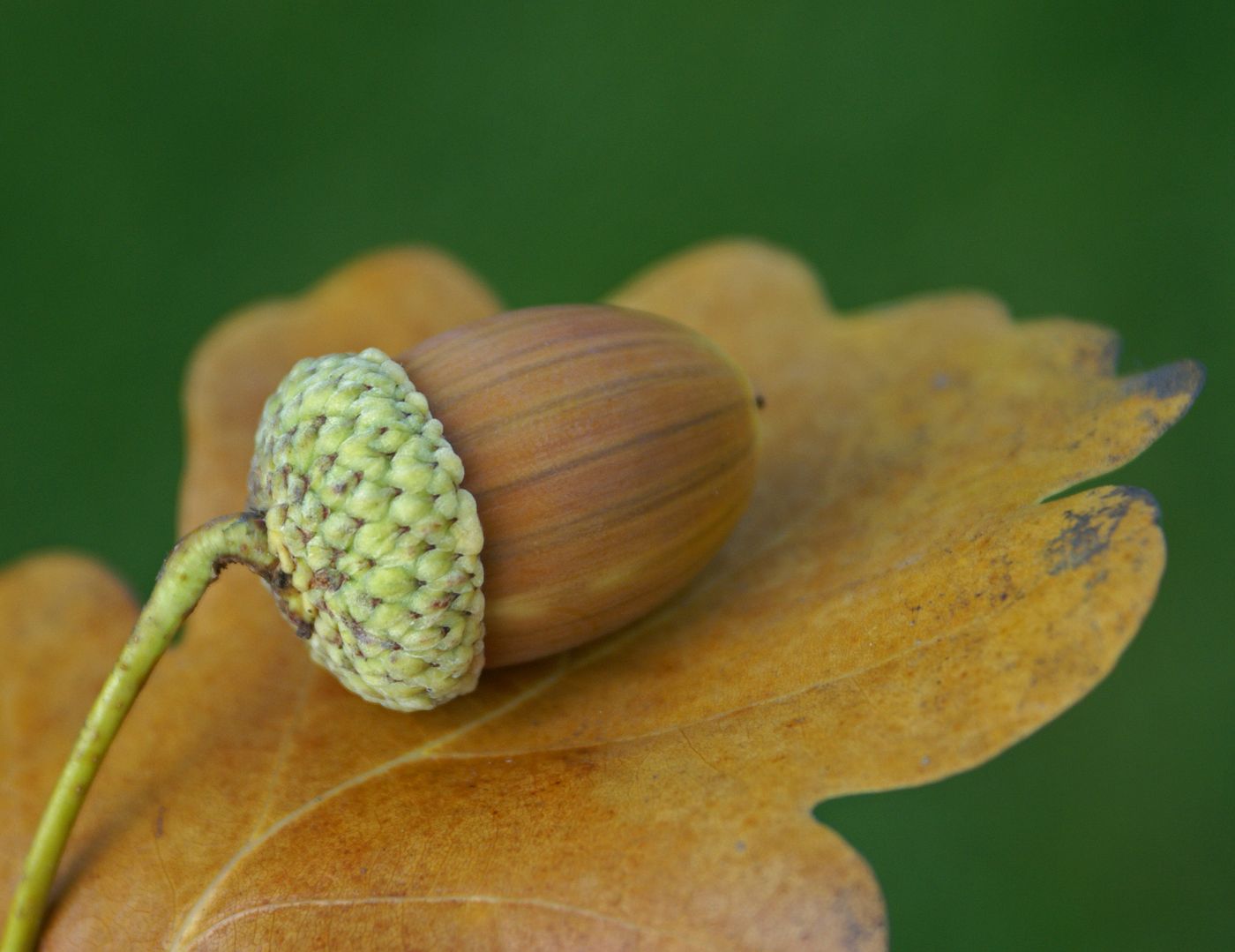 Acorns and acorn starch도토리Oak acorns, leached of their bitterness and ground into a fine brown starch. Cooked with water and set, the starch becomes dotori-muk, a quivering, gently astringent jelly served with a soy-sesame dressing.
- Cucumber오이Slender, thin-skinned Korean cucumbers, prized for their crunch. Stuffed and fermented as oi-sobagi, dressed quickly as oi-muchim, salted into oiji or floated in chilled summer soup.
- Korean Chili Peppers (Fresh)고추Fresh Korean chili peppers, eaten green (putgochu) or red (hong-gochu): from the fiery cheongyang-gochu to the small, wrinkled, mild kkwari-gochu that is braised and stir-fried as banchan.
 Green onion파Korean green onion (pa), from thick-stemmed daepa to slender scallions — chopped into nearly every seasoning sauce, soup and kimchi, and the star of pa-kimchi.
 Soy sauce간장Korean soy sauce, in two main kitchen forms: pale, salty guk-ganjang (soup soy sauce) brewed the traditional way from meju, and darker, sweeter jin-ganjang for braises and marinades.
 Gochugaru고춧가루Korean red chili powder, made from dried red peppers ground coarse or fine. It gives kimchi, gochujang and countless banchan their color and warmth.
 Garlic마늘Used raw, minced, pickled and roasted, garlic is one of the essential aromatics of Korean food — in seasonings, marinades, kimchi and namul.
 Sesame참깨Toasted sesame seeds and sesame oil (chamgireum) finish countless Korean dishes, adding a nutty aroma and gloss.
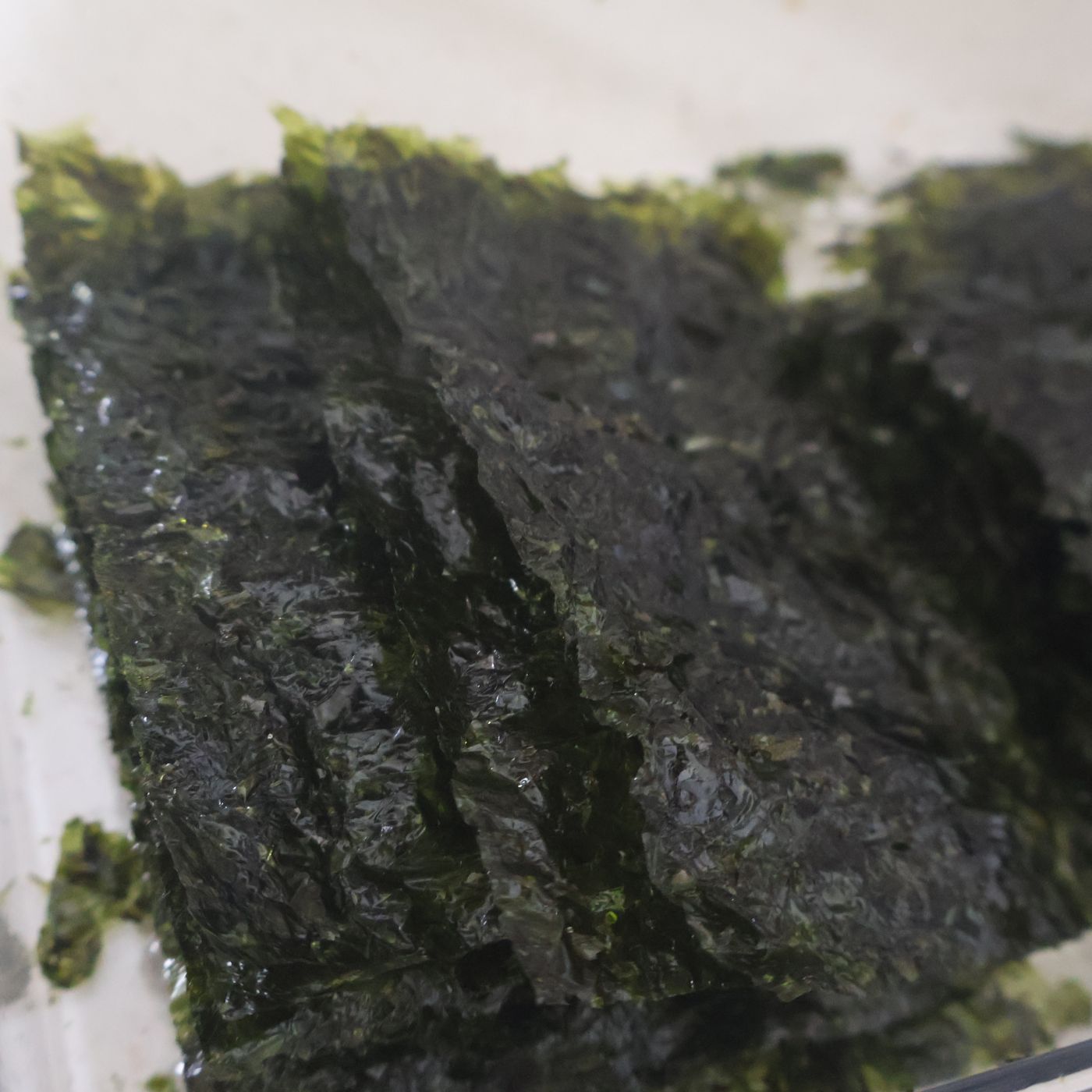 Laver (gim)김Paper-thin sheets of dried red seaweed, toasted until crisp and fragrant. Gim wraps gimbap and rice, crumbles over noodles and soups, and — brushed with oil and salt — becomes the everyday side dish gim-gui.
Nutrition
| Calories | ~106 kcal |
|---|---|
| Protein | ~1.7 g |
| Fat | ~4.4 g |
| Carbohydrates | ~15.6 g |
| Fiber | ~1.1 g |
| Sodium | ~520 mg |
Notable forVitamin A (as carotenoids) · Vitamin K
Acorn jelly uses the Korean Food Composition Table entry “Dotorimuk, Acorn starch jelly” (47 kcal, 11.2 g carbohydrate and 76 mg sodium per 100 g; fiber not reported). Cucumber, carrot, green chili, green onion, soy sauce, gochugaru, sugar, garlic, sesame oil and sesame seeds use USDA values. Divided by four. The jelly itself is mostly water and starch; the vitamins come from the vegetables and chili. Actual values vary with ingredients, portion size and preparation.
Health Benefits
- Low in calories: the Encyclopedia of Korean Culture describes acorn jelly as low in calories, since it is mostly water held in a light starch gel.
- Vegetables carry the nutrients: the folk museum's encyclopedia notes that dressing muk with vegetables supplies vitamins and minerals the jelly lacks.
- Tannins and flavor: acorns' faint bitterness comes from tannins; how thoroughly they are leached determines how astringent the jelly tastes.
Regional Variations
- Chungcheong: a South Chungcheong version adds blanched oysters. A local legend tells of a young woman who packed acorn jelly for a scholar traveling to sit the civil-service exam — a sign that the jelly traveled well.
- Gyeongsang: in North Gyeongsang, acorn jelly is called kkulbam-muk. It is also dried and pickled in soy sauce, pan-fried, or cut into strips and deep-fried.
- Gangwon: dried acorn jelly is rehydrated and braised in soy sauce with garlic and syrup as dotori-muk-namul.
- With kimchi: a simple old-fashioned version tosses the jelly with chopped napa cabbage kimchi and sesame oil — the same treatment the Encyclopedia of Korean Culture suggests for buckwheat jelly.
Pairings
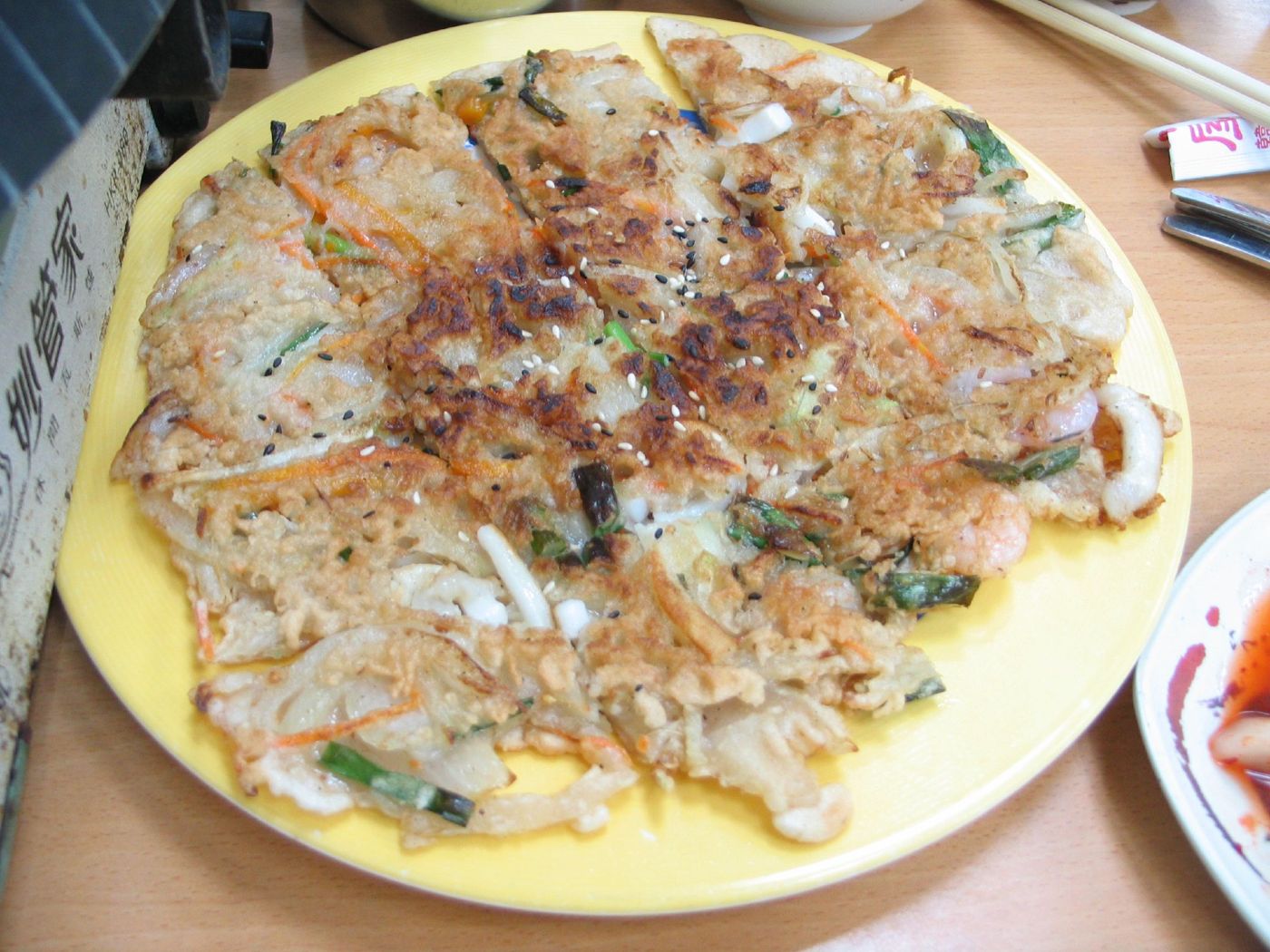 Haemul Pajeon (Seafood and Green Onion Pancake)해물파전Whole green onions bound in a light batter with squid, shrimp and clams, pan-fried until crisp — a generous jeon for sharing, closely tied to Busan's Dongnae.
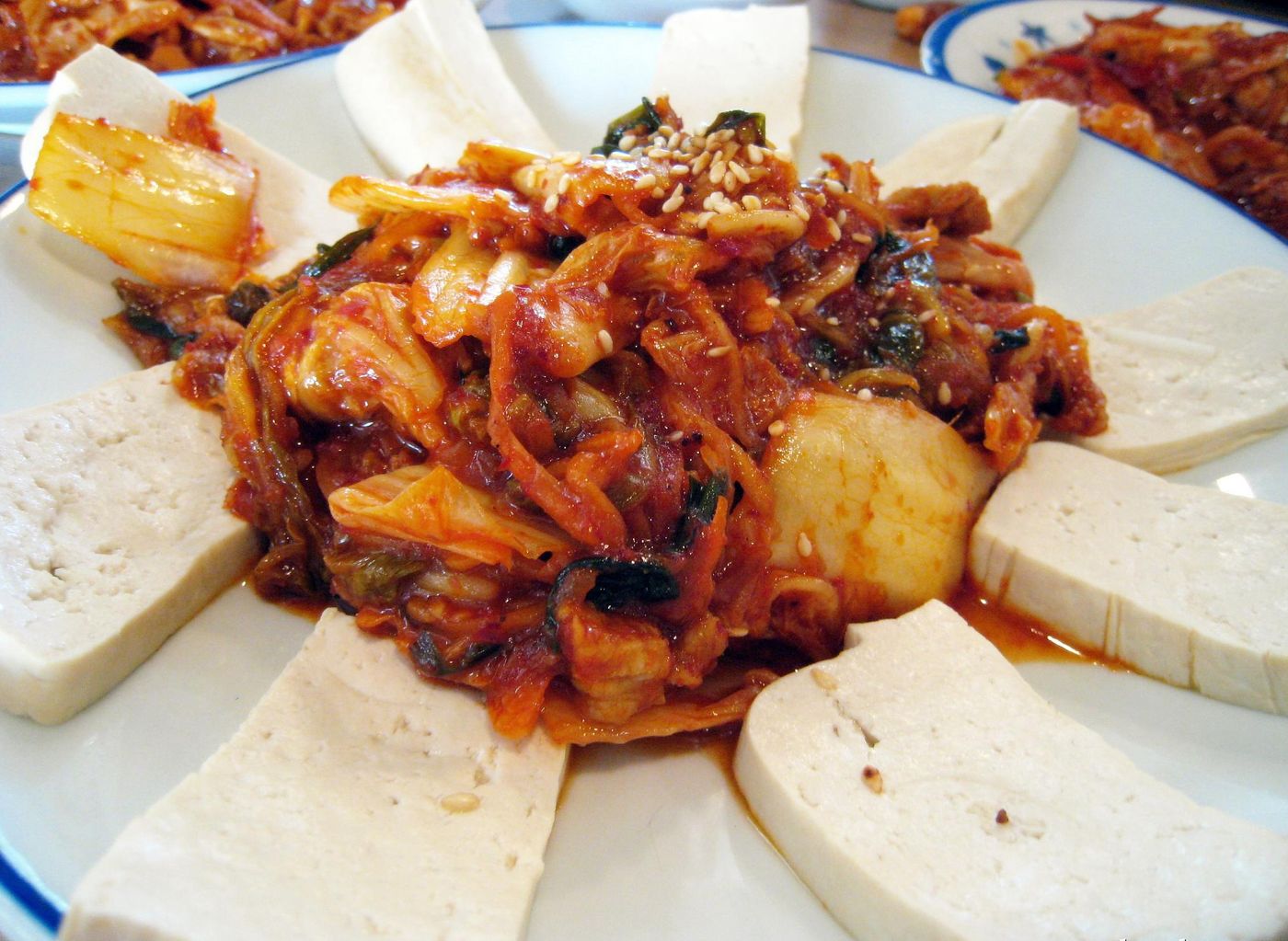 Dubu Kimchi (Tofu with Stir-Fried Kimchi)두부김치Warm slices of plain tofu arranged around kimchi stir-fried with pork — a mild-and-spicy pairing that is a favorite with soju and makgeolli.
 Napa Cabbage Kimchi배추김치Salted napa cabbage layered with a red paste of chili, garlic, ginger and fermented seafood, then left to ripen: the kimchi most people picture first.
Sources
- 01Korean Food Composition Table: Dotorimuk, Acorn starch jelly — National Institute of Agricultural Sciences
- 02도토리묵 (Dotori-muk) — Encyclopedia of Korean Culture
- 03도토리묵 (Dotori-muk) — Encyclopedia of Korean Folk Culture (National Folk Museum of Korea)
- 04묵 (Muk) — Encyclopedia of Korean Culture
- 05묵무침 (Muk-muchim) — Encyclopedia of Korean Folk Culture (National Folk Museum of Korea)
- 06Cornstarch (FDC 169698) — USDA FoodData Central
Last updated