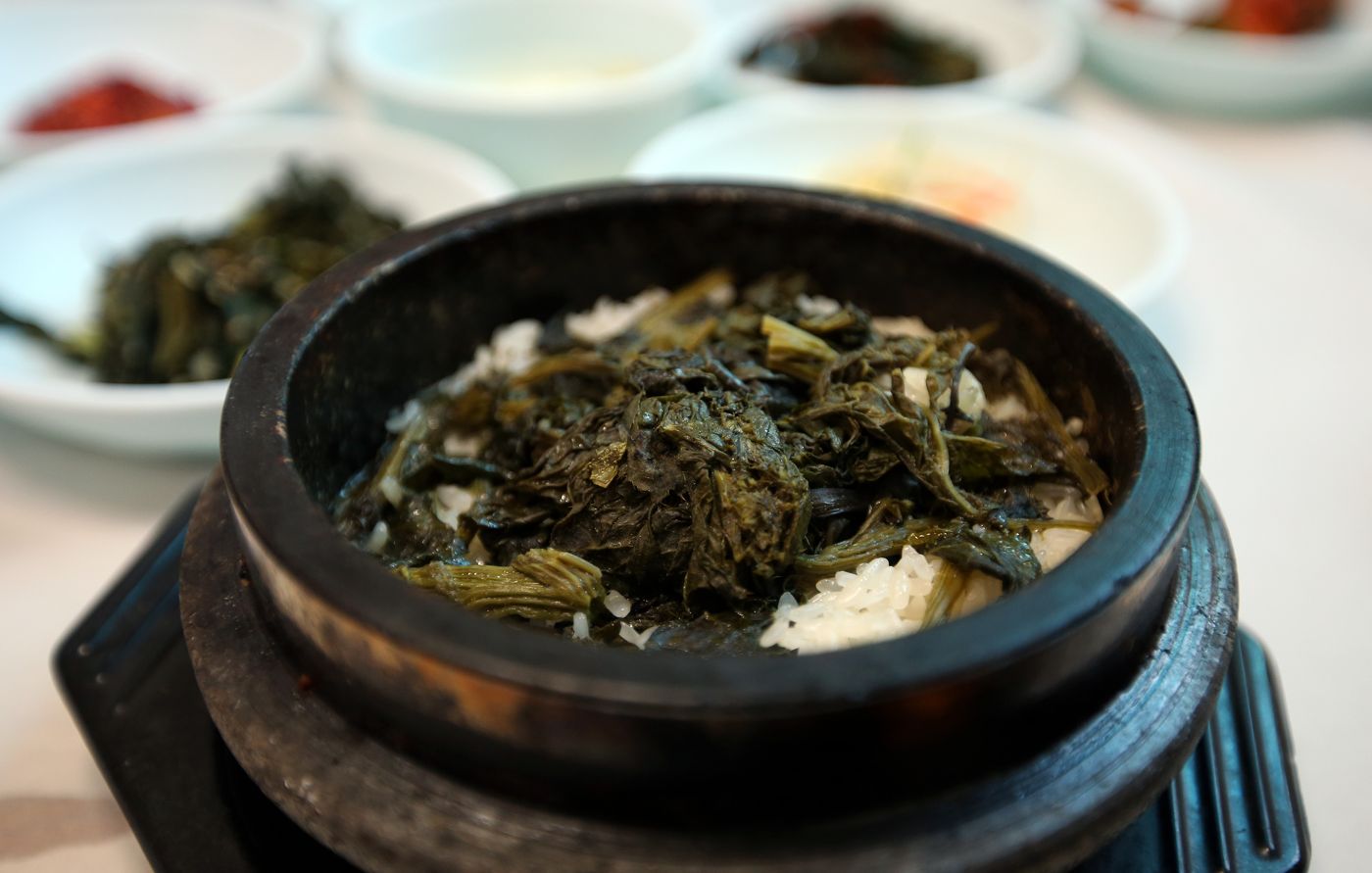
 Photo: Republic of Korea from Seoul, Republic of Korea, CC BY-SA 2.0, via Wikimedia Commons
Bap · Rice dishes 밥
Gondeure-bap (Thistle Rice)
곤드레밥
Romanization: gondeure-bap
Rice steamed with dried-and-rehydrated gondeure, a soft mountain thistle, then stirred with a soy-sauce dressing — the signature dish of Gangwon's highlands, especially Jeongseon.
- Serves
- 4
- Prep
- 30 min
- Cook
- 40 min
Recipe
Ingredients · Serves 4
- 40 gDried gondeuresoaked overnight in plenty of water, then simmered 1–2 hours until tender; drained, rinsed and squeezed
- 400 gShort- or medium-grain riceabout 2½ cups, rinsed and soaked 30 minutes
- 1 tbspSesame oilabout 15 g, for the greens
- ½ tspSalt
- 480 mlWaterslightly less than for plain rice, since the greens are damp
- 3 tbspSoy sauceabout 45 g, for the dressing
- 2 tbspGreen onionfinely chopped, about 20 g
- 1 cloveGarlicminced
- 1 tspGochugaruoptional
- 1 tbspWater for the dressing
Method
Technique: Cooking Bap, Drying and Rehydrating Vegetables
Step 1: Soak the dried gondeure overnight in plenty of cold water. Drain, boil in fresh water for 1–2 hours until fully soft, then rinse well and squeeze out the water. Cut into 4–5 cm lengths.
Step 2: Toss the greens with the sesame oil and salt, kneading gently so the seasoning is absorbed.
Step 3: Spread the drained rice in a heavy pot or stone pot, top with the seasoned greens and pour in the water.
Step 4: Bring to a boil over high heat, then reduce to low, cover and cook 15 minutes. Turn off the heat and rest, covered, for 10 minutes.
Step 5: While the rice rests, mix the soy sauce, green onion, garlic, gochugaru and water into a dressing.
Step 6: Fluff the rice and greens together and serve in bowls with the dressing alongside, adding about a spoonful per bowl, to taste.
Origin & History
Gondeure-bap comes from the mountains of Gangwon Province, where gondre (Cirsium setidens, a thistle of the daisy family) grows wild. The Digital Gangneung Culture Encyclopedia describes the dish as rice cooked with gondeure that has been seasoned with sesame oil and salt, and notes that before it became a favorite it was a famine food, eaten to get through the lean spring weeks before the barley harvest.
Preparation is a craft in itself. The same encyclopedia says that the spring leaves are lightly blanched and dried thoroughly, then stored somewhere airy and dry. Before cooking, they are soaked for about a day and boiled for about two hours, because the leaves are strongly aromatic, discolor easily and are astringent. The softened greens are seasoned, laid over rice in the pot and cooked together. See drying and rehydrating vegetables and cooking bap.
Today the dish is closely associated with Jeongseon. Korea.net reports that Jeongseon's high-altitude, limestone-and-clay-rich mountains, which include 22 peaks above 1,000 meters, are known for their gondeure, one of the most popular greens at the Jeongseon Five-Day Market, and names gondeure rice as one of the two best food choices there (see Jeongseon). Specialty restaurants now serve it in Gangneung and across Gangwon for residents and visitors alike, according to the Gangneung encyclopedia.
Key Ingredients
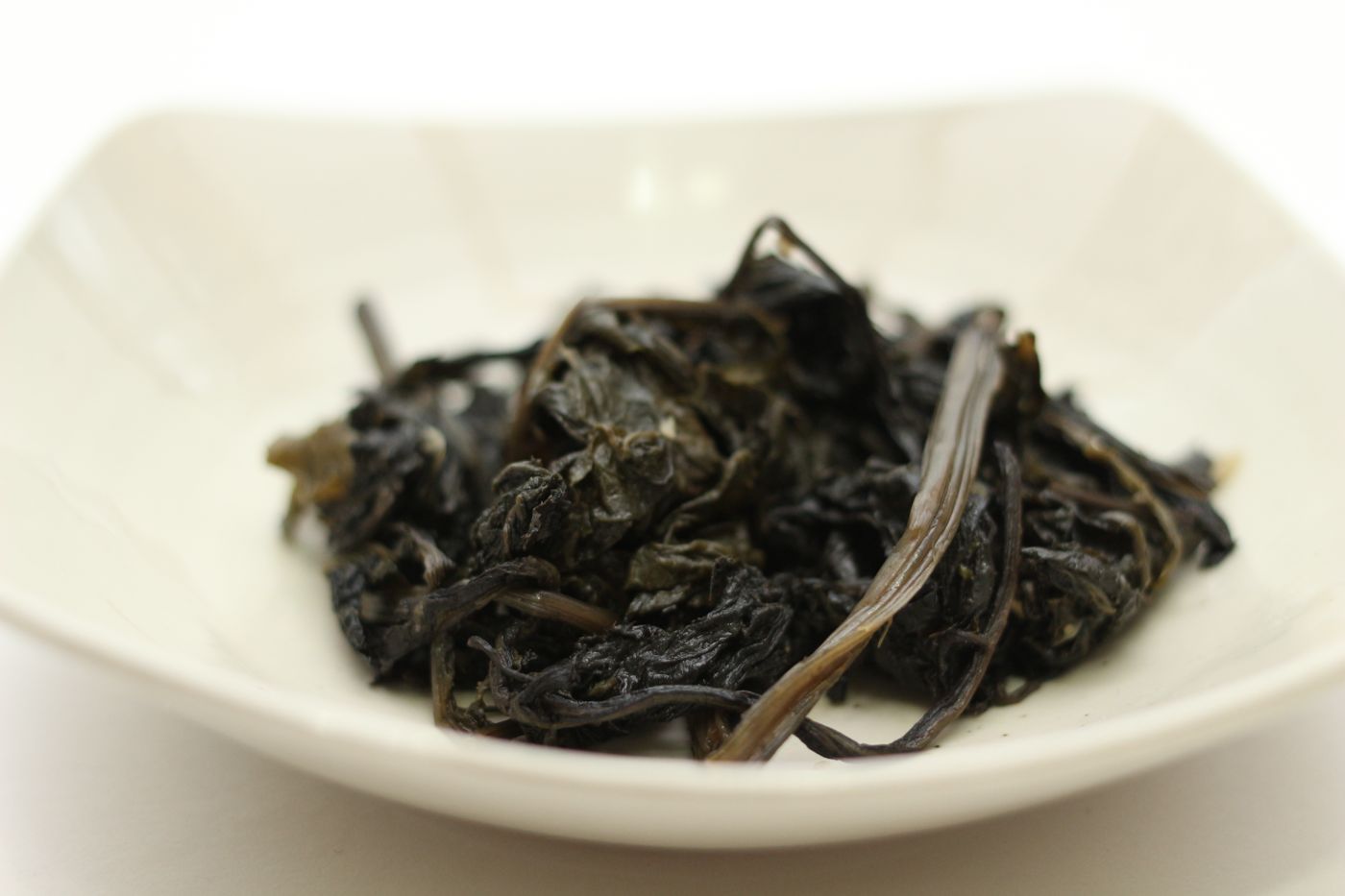 Gondre (Korean thistle)곤드레The soft, spineless leaves of a mountain thistle, blanched, dried and simmered back to tenderness. Best known in gondre-bap, rice steamed with seasoned thistle and mixed with soy-sauce dressing, the signature dish of Jeongseon in Gangwon Province.
 Rice쌀Short, round grains of japonica rice that cook up glossy, soft and gently clinging. Steamed white rice, bap, is the center of the Korean table: every banchan, soup and stew is planned to be eaten with it.
 Sesame참깨Toasted sesame seeds and sesame oil (chamgireum) finish countless Korean dishes, adding a nutty aroma and gloss.
 Soy sauce간장Korean soy sauce, in two main kitchen forms: pale, salty guk-ganjang (soup soy sauce) brewed the traditional way from meju, and darker, sweeter jin-ganjang for braises and marinades.
 Green onion파Korean green onion (pa), from thick-stemmed daepa to slender scallions — chopped into nearly every seasoning sauce, soup and kimchi, and the star of pa-kimchi.
 Garlic마늘Used raw, minced, pickled and roasted, garlic is one of the essential aromatics of Korean food — in seasonings, marinades, kimchi and namul.
Nutrition
| Calories | ~435 kcal |
|---|---|
| Protein | ~10.7 g |
| Fat | ~5 g |
| Carbohydrates | ~86.3 g |
| Fiber | ~5.5 g |
| Sodium | ~814 mg |
Notable forDietary fiber · Vitamin K · Calcium
Dried gondeure uses the Korean Food Composition Table entry “Korean thistle (Gondeure), Dried” (290 kcal, 35.9 g fiber, 4,834.5 µg vitamin K and 1,718 mg calcium per 100 g), counted as 40 g dry weight and divided by four, so each serving carries roughly 480 µg of vitamin K and 170 mg of calcium, before any loss to cooking water. Rice, sesame oil, soy sauce, scallion, garlic and cayenne (as a gochugaru stand-in) use USDA FoodData Central. All of the dressing is counted, though diners often use only part of it. Actual values vary with ingredients, portion size and preparation.
Health Benefits
- Fiber and minerals: dried gondeure is very high in fiber and calcium by weight in the Korean Food Composition Table, and the estimate above gives about 5.5 g of fiber per serving; the Gangneung encyclopedia describes it as rich in carbohydrate, fiber, minerals and vitamins.
- Greens within the grain: the dish adds vegetables to a rice meal and makes a bowl of plain rice more varied (see vegetables and namul).
- Traditional associations: the Gangneung encyclopedia cites the Donguibogam, a Joseon medical text, for thistle's tradition as a hemostatic herb; this is a traditional use and not a claim that the dish has that effect.
Regional Variations
- Classic bowl: rice with sesame-oil-seasoned gondeure, served with a soy-sauce dressing (yangnyeom-ganjang) of green onion, garlic and chili to stir in at the table.
- Perilla oil: VISITKOREA notes that some cooks add perilla oil for a softer texture and subtle fragrance.
- Gangneung style: the Gangneung encyclopedia says local gondeure has fewer hairs and is tender, so it chews pleasantly in rice; dried leaves are used more than fresh, and seasoning is limited to sesame oil and salt.
Pairings
 Doenjang Jjigae (Soybean Paste Stew)된장찌개A thick, savory stew of fermented soybean paste with tofu, zucchini and whatever the season offers — the everyday pot at the center of the Korean table.
 Napa Cabbage Kimchi배추김치Salted napa cabbage layered with a red paste of chili, garlic, ginger and fermented seafood, then left to ripen: the kimchi most people picture first.
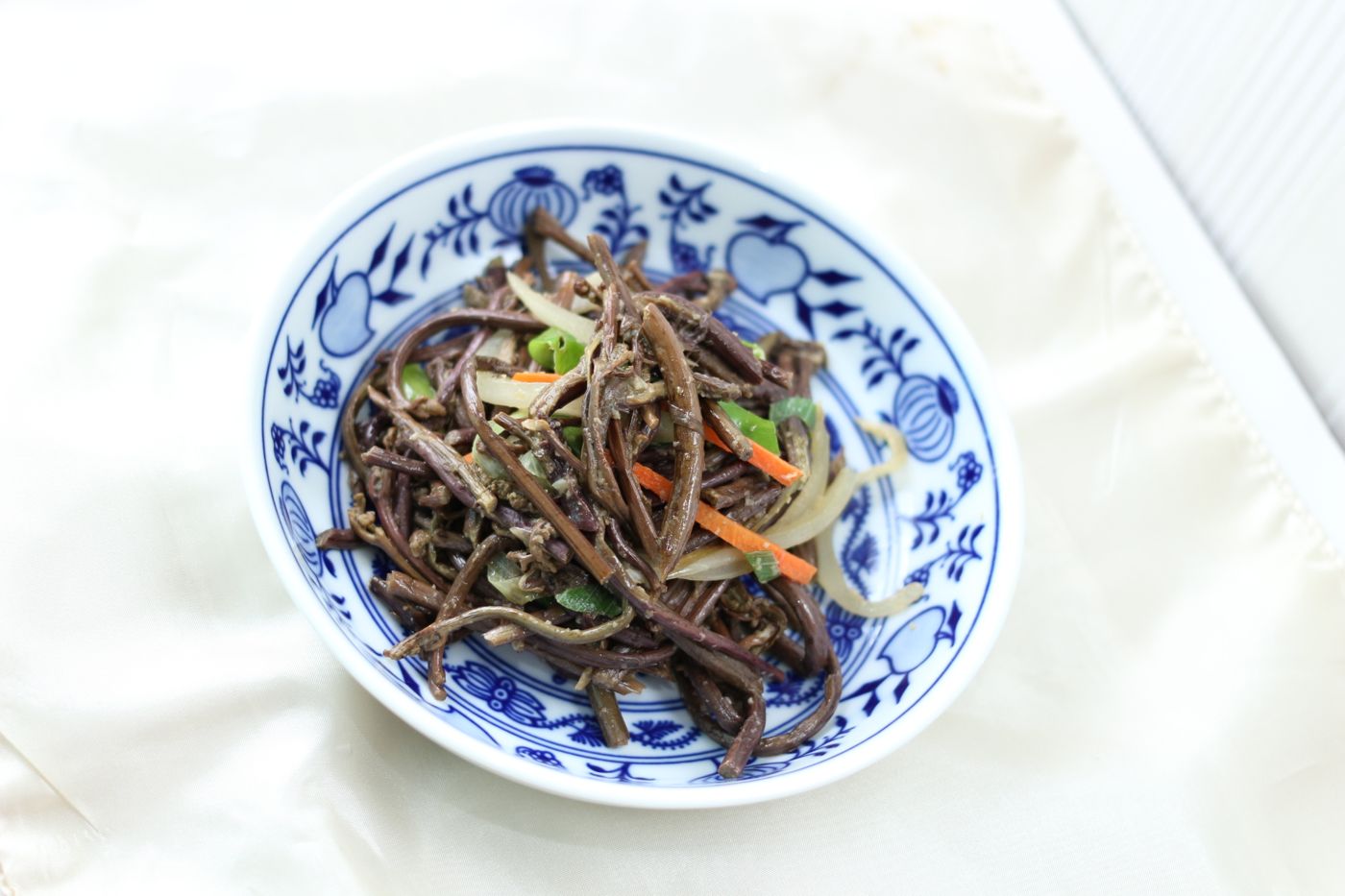 Gosari Namul고사리나물Dried bracken fern soaked, boiled and slowly stir-fried with soup soy sauce, garlic and perilla oil — chewy, earthy and central to holiday tables.
Sources
- 01곤드레밥 (Gondeure-bap) — Digital Gangneung Culture Encyclopedia
- 02Jeongseon County: from coal to tourism — Korea.net (2014)
- 03Thistle Rice (곤드레나물밥 / Gondeurenamulbap) — VISITKOREA
- 04Korean Food Composition Table: Korean thistle (Gondeure), Dried — National Institute of Agricultural Sciences
- 05Warfarin — MedlinePlus Drug Information (U.S. National Library of Medicine)
- 06Food Allergies — U.S. Food and Drug Administration
Last updated