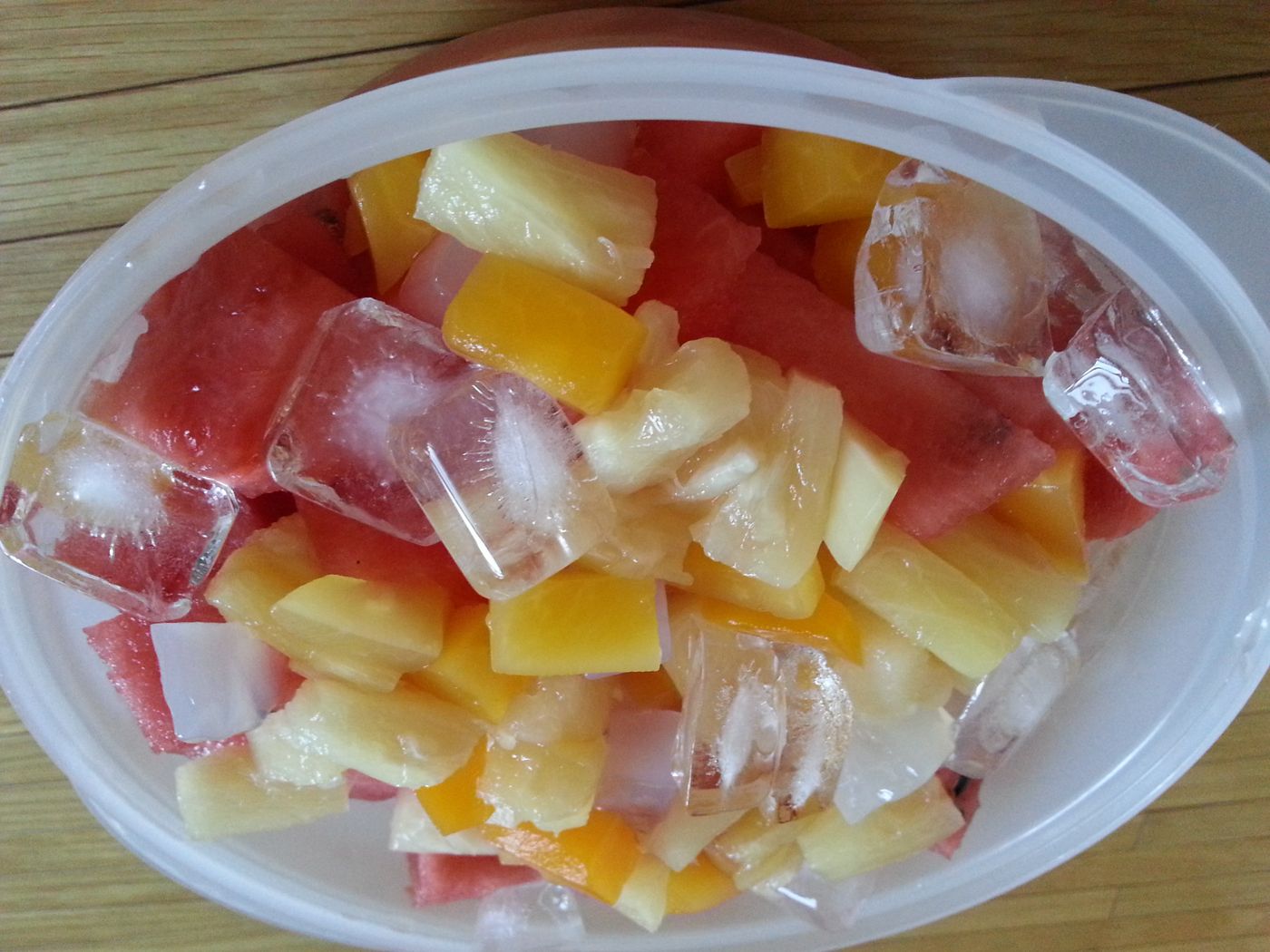
 Photo: Donghwan Seong, CC BY-SA 3.0, via Wikimedia Commons
Eumcheong · Traditional drinks 음청류
Subak-hwachae (Watermelon Punch)
수박화채
Romanization: subak-hwachae
Scooped watermelon floating in its own sweetened juice, or in fizzy soda over ice — the most familiar member of the hwachae family of cold fruit punches.
- Serves
- 4
- Prep
- 15 min
- Cook
- 0 min
Recipe
Ingredients · Serves 4
- 1 kgWatermelon fleshfrom about ¼ of a large melon, seeds removed
- 500 mlLemon-lime sodaor chilled water sweetened with honey
- 1 tbspHoney or sugaroptional, to taste
- 1 tbspPine nutsoptional garnish
- 1 cupIce cubes
Method
Step 1: Scoop about three-quarters of the watermelon into balls with a melon baller or spoon, or cut it into 2 cm cubes. Chill.
Step 2: Press the remaining flesh and the scraps through a sieve, or blend briefly and strain, to make watermelon juice. Stir in the honey or sugar if your melon is not very sweet.
Step 3: Just before serving, put the watermelon pieces and juice in a large bowl or the hollowed-out melon shell, pour in the cold soda and add the ice.
Step 4: Float a few pine nuts on top and ladle into small bowls with a spoon for the fruit. Serve at once, while the soda is still fizzy and the drink very cold.
Origin & History
Hwachae is the family of cold, sweet drinks with fruit, flowers or other garnishes floating in them, the summer counterpart of winter's sikhye and sujeonggwa; its history and the omija-based versions are covered in traditional beverages. The Encyclopedia of Korean Culture sorts hwachae by base: tart omija water calls for mild garnishes such as azalea petals or pear, while sweet honey water takes tart fruit. Watermelon falls in the honey-water group, and the encyclopedia describes the method: part of the melon is made into juice and the rest is cut into neat pieces to float in it.
Watermelon itself was a costly fruit for most of Korean history. Both national encyclopedias cite Heo Gyun's Domun daejak, which says watermelon was first planted in Gaeseong by Hong Da-gu, a Goryeo-born general who served the Mongols, which would place its arrival in the late 13th century. The folk encyclopedia adds that it was a fruit sent up to the palace, and records an episode in which a palace servant was flogged for trying to bring watermelon to the deposed boy-king Danjong. It became a common fruit only in the colonial period, when commercial fruit growing began.
The modern home version is simpler. The folk encyclopedia describes scooping the flesh out in large spoonfuls, sprinkling it with sugar and chilling it with ice, and notes that people now pour in lemon-lime soda (saida), or even whisky, for a different flavor. Its hwachae entry adds that the common contemporary style is watermelon cut in cubes like kkakdugi and dropped into soda or cold water. On summer eating, see boknal and summer foods and seasonal foods.
Key Ingredients
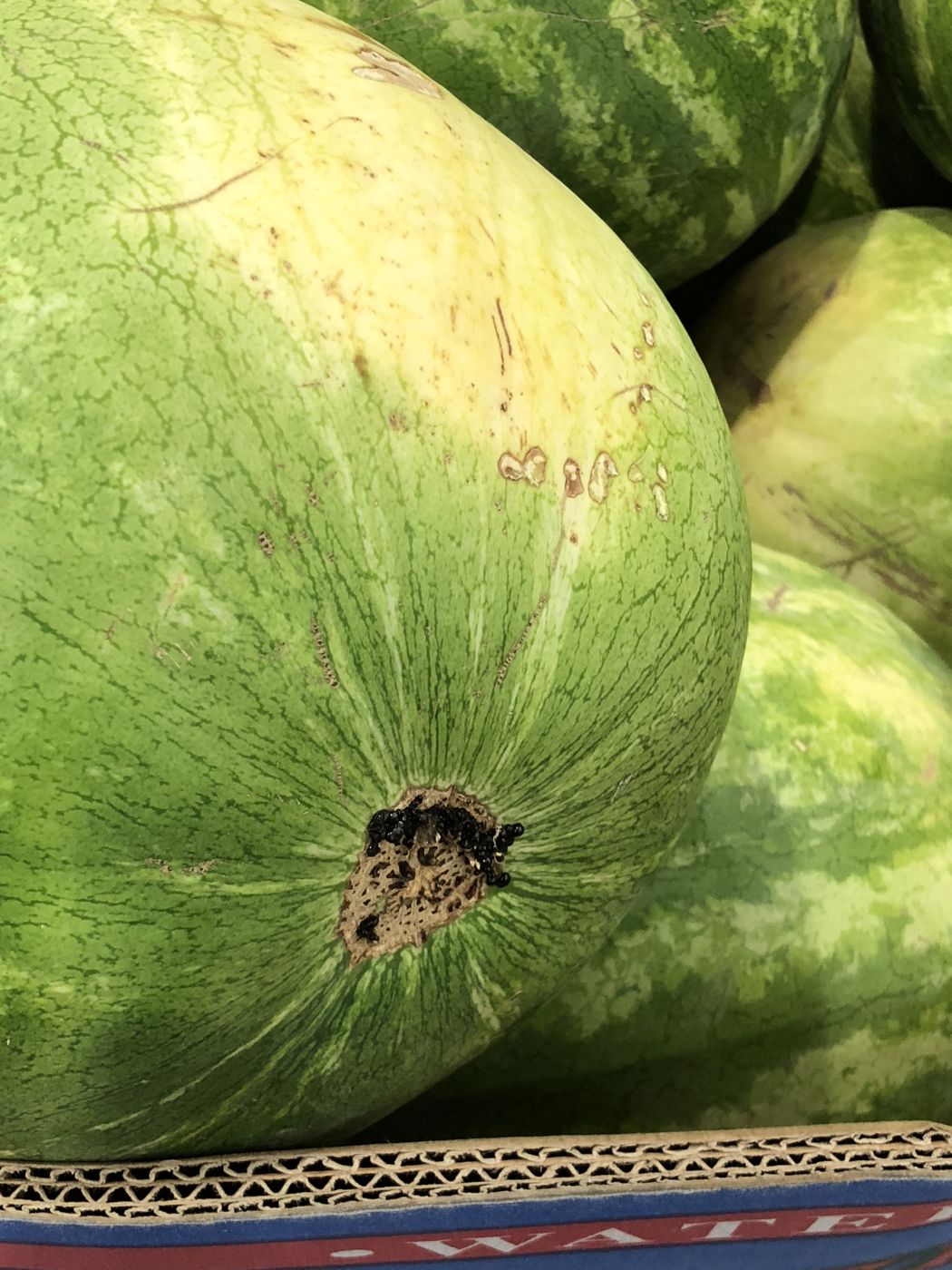 Subak (watermelon)수박The defining fruit of the Korean summer: big, striped melons with sweet red flesh, cut into wedges after a meal or scooped into chilled fruit punch on the hottest days.
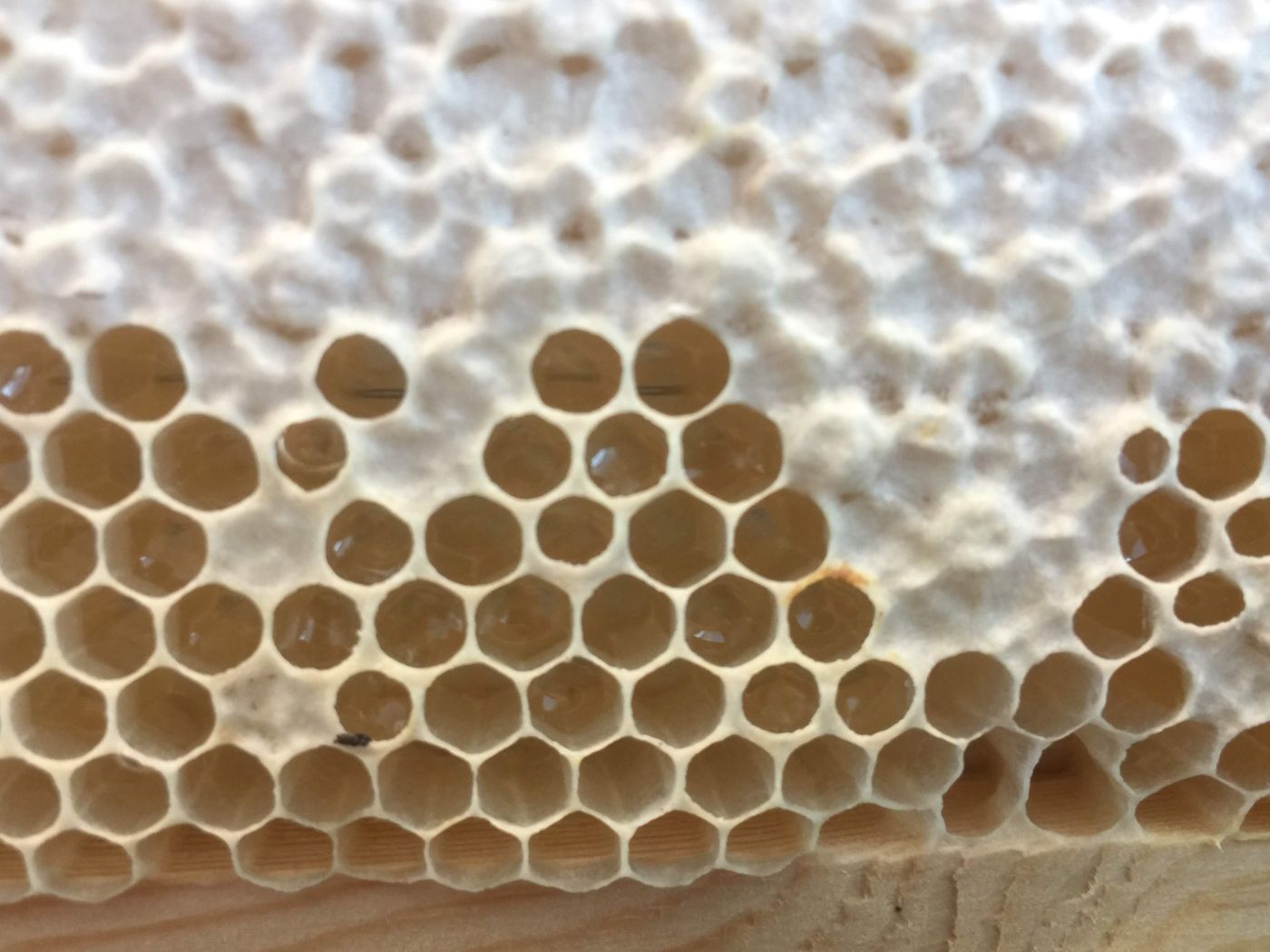 Honey꿀Honey has long been the prized sweetener of the Korean kitchen, used for court sweets like yakgwa and candied jeonggwa, for honey water and for seasoning meat. Korean shops sell native-bee honey (tojongkkul) and the more common Western-bee honey (yangbongkkul).
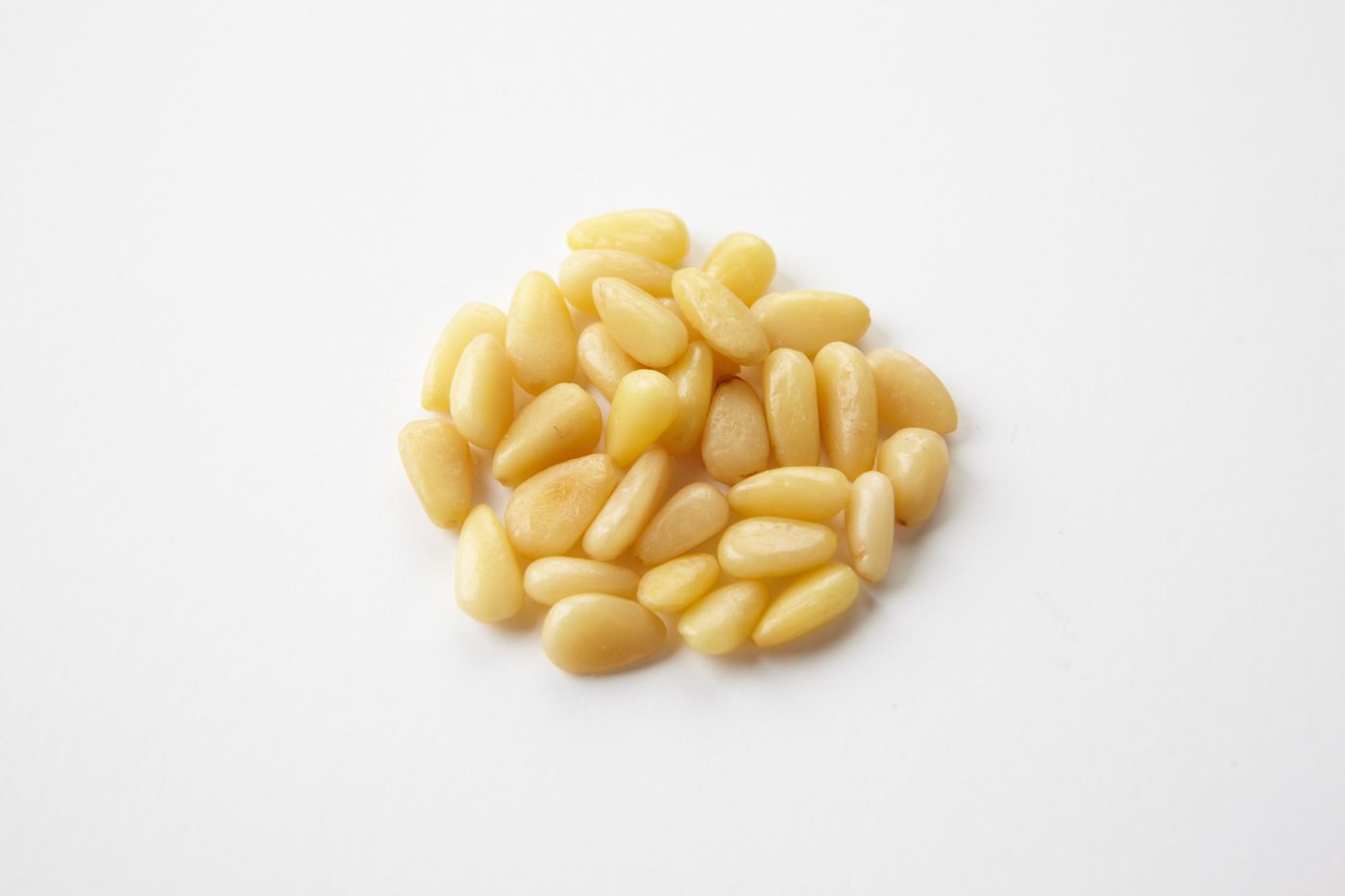 Pine nuts잣Creamy, ivory seeds of the Korean pine, scattered as a finishing garnish on punches, porridges and braises, or ground into the delicate porridge jatjuk. Gapyeong in Gyeonggi-do is the country's pine-nut capital.
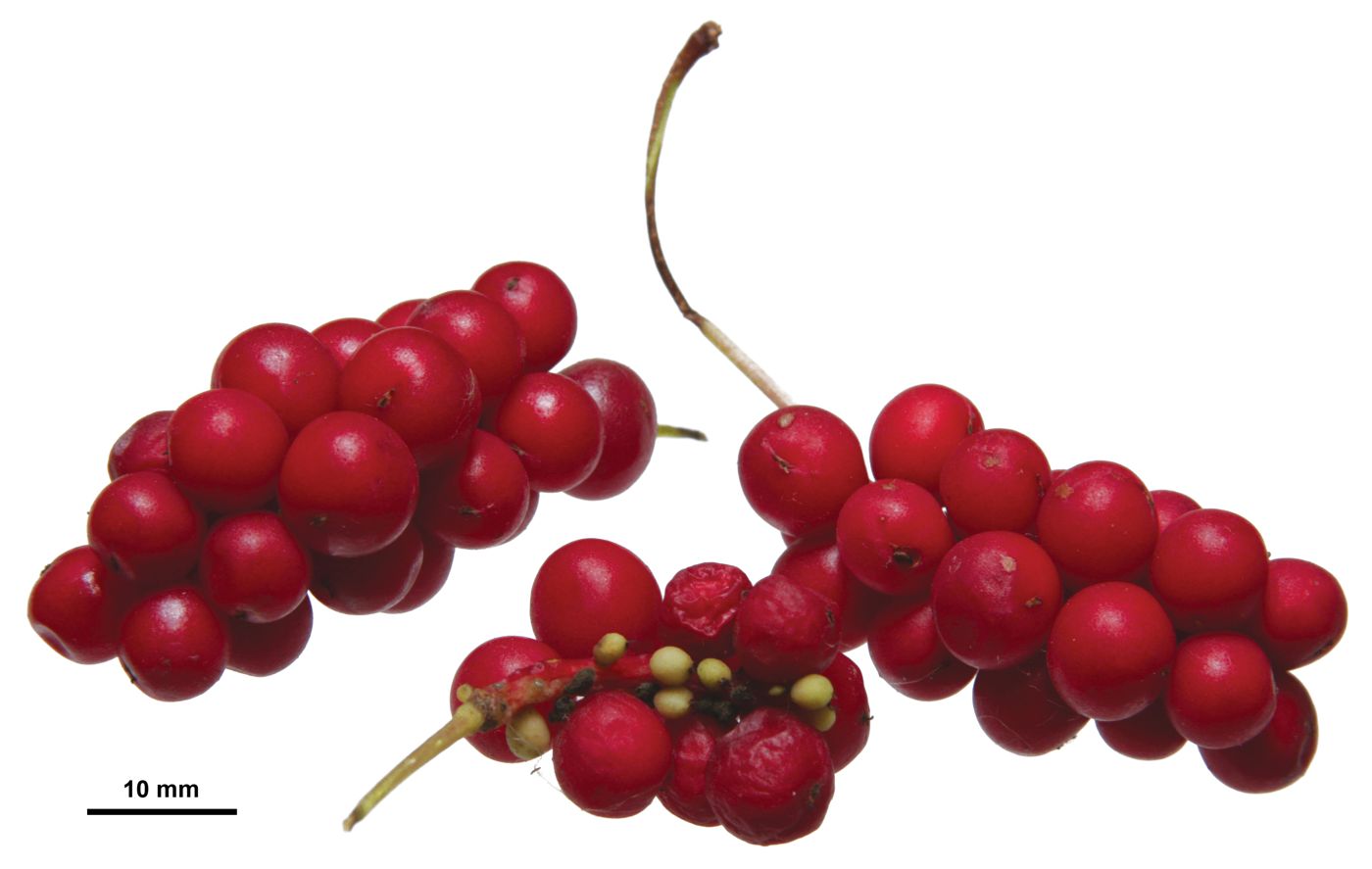 Omija (Schisandra Berry)오미자Small red berries of the Schisandra chinensis vine, named ‘five-flavor fruit’ for their sweet, sour, salty, bitter and pungent notes. They are steeped into a ruby tea, syrup and hwachae.
Nutrition
| Calories | ~160 kcal |
|---|---|
| Protein | ~2 g |
| Fat | ~2.1 g |
| Carbohydrates | ~37 g |
| Fiber | ~1.1 g |
| Sodium | ~15 mg |
Notable forVitamin C · Vitamin A
Estimated by summing USDA FoodData Central (SR Legacy) values for raw watermelon (FDC 167765), lemon-lime soda (FDC 173205), honey (FDC 169640) and dried pine nuts (FDC 170591), divided by 4. Made with plain water and no honey, a serving drops to about 80 kcal, all from the fruit. Actual values vary with ingredients, portion size and preparation.
Health Benefits
- Mostly water: watermelon is about 91–93 percent water, according to the folk encyclopedia, which makes this a refreshing way to take in fluid on hot days.
- Vitamins from the fruit: watermelon supplies vitamin C and some vitamin A (as beta-carotene), along with the red pigment lycopene.
- Low in fat and sodium: apart from a few pine nuts, the drink is almost free of fat and salt.
Regional Variations
- Honey-water hwachae: the older style — watermelon juice sweetened with honey or sugar, with cut melon and pine nuts floating on top.
- Soda hwachae: the common modern version, with scooped watermelon in lemon-lime soda over ice, sometimes with other fruit added.
- Omija base: some cooks use pink omija water instead, though the encyclopedia pairs the tart omija base with milder garnishes such as pear.
- Mudeungsan watermelon (Gwangju): the folk encyclopedia describes a giant, dark-green, stripeless heirloom watermelon grown on Mudeungsan, once sent as tribute and still grown around Gwangju.
Pairings
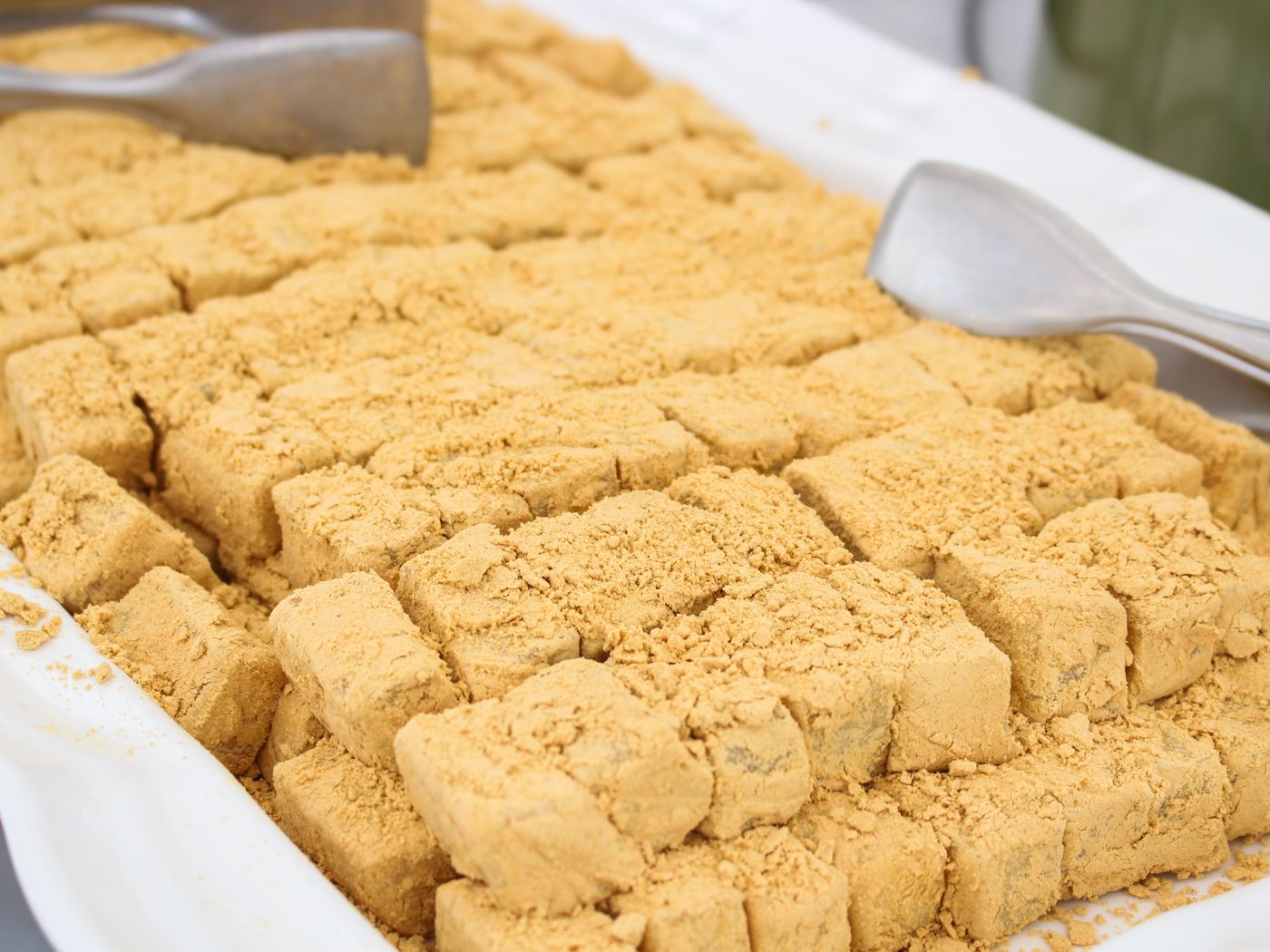 Injeolmi (Pounded Sticky Rice Cake with Bean Powder)인절미Steamed glutinous rice pounded until smooth and elastic, cut into pieces and rolled in roasted soybean powder — the chewy, nutty rice cake of markets, weddings and harvest time.
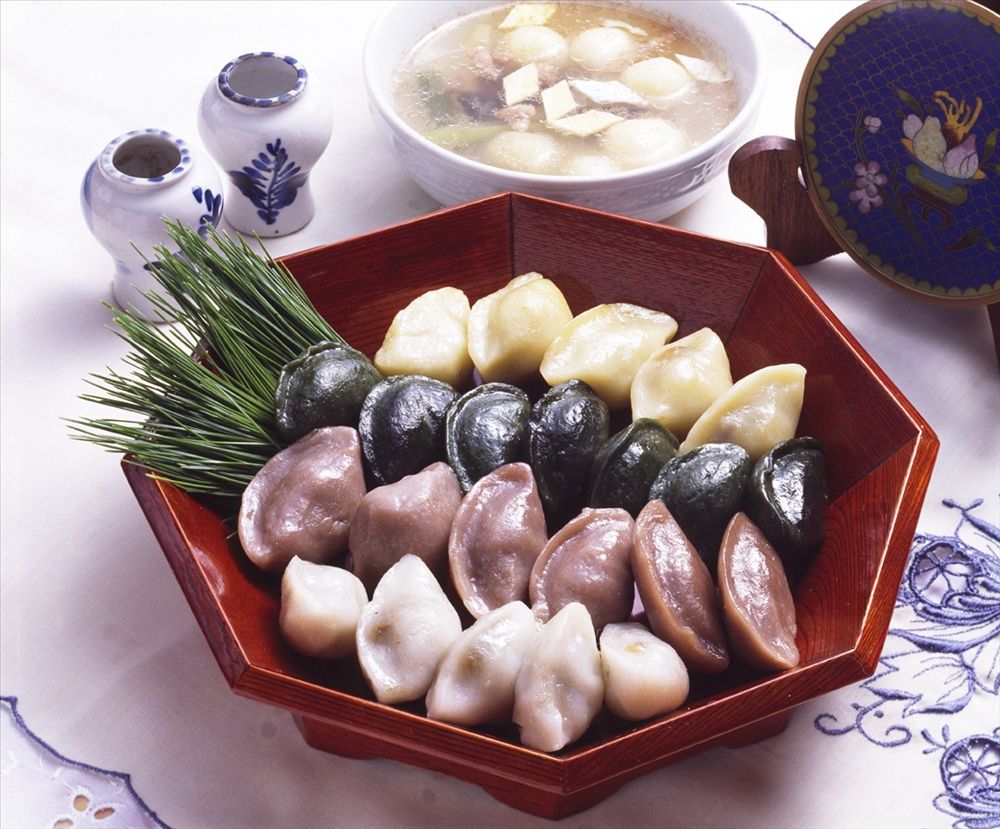 Songpyeon (Half-Moon Rice Cakes)송편Small half-moon cakes of rice dough filled with sweet sesame, beans or chestnut and steamed on a bed of pine needles — the rice cake of Chuseok, made with the new harvest.
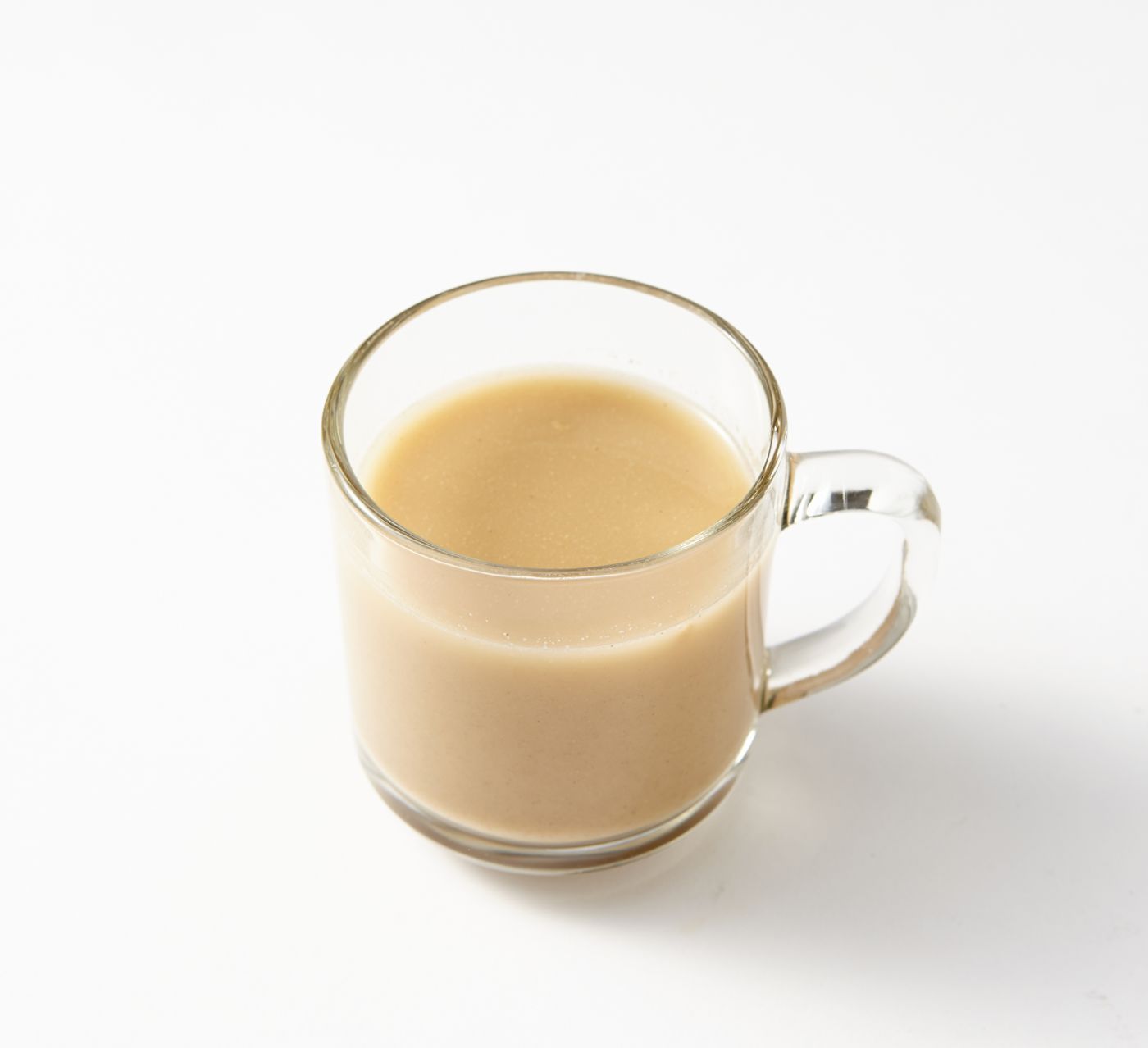 Misutgaru (Roasted Grain Drink)미숫가루A fine powder of steamed, dried and roasted grains stirred into cold water with honey — a nutty summer drink that doubled for centuries as travel food and famine ration.
Sources
- 01화채 (花菜, Hwachae) — Encyclopedia of Korean Culture
- 02화채 (Hwachae) — Encyclopedia of Korean Folk Culture, National Folk Museum of Korea
- 03수박 (Subak, watermelon) — Encyclopedia of Korean Folk Culture, National Folk Museum of Korea
- 04수박 (Subak, watermelon) — Encyclopedia of Korean Culture
- 05Watermelon, raw (FDC 167765) — USDA FoodData Central
Last updated