Muchim · Dressed side dish 무침
Miyeok Muchim
미역무침
Romanization: miyeok-muchim
Rehydrated wakame seaweed and cucumber in a light sweet-and-sour soy dressing — cool, slippery and refreshing, especially in summer.
- Serves
- 4
- Prep
- 20 min
- Cook
- 0 min
RegionGyeongsang · Busan
Jump to recipeRecipe
Ingredients · Serves 4
- 20 gDried miyeok (wakame)about 200 g once soaked; or 200 g salted miyeok, well rinsed and soaked
- 100 gCucumberthinly sliced
- 30 gOnionthinly sliced, optional
- 1 tbspSoy sauce
- 2 tbspVinegar
- 1 tbspSugar
- 1 cloveGarlicminced
- 1 tspToasted sesame seeds
- ½ tspGochugaruoptional; not included in the nutrition estimate
Method
Technique: Drying and Rehydrating Vegetables
Step 1: Soak the dried miyeok in plenty of cold water for 10–15 minutes, until fully expanded and soft. (If using salted miyeok, rinse off the salt thoroughly and soak for 10 minutes, changing the water once.)
Step 2: Rub the seaweed between your hands under running water to remove any slipperiness, then squeeze out the water and cut into bite-size pieces. For a firmer, brighter result, blanch it for 5 seconds in boiling water and cool in ice water first.
Step 3: Lightly salt the cucumber (and onion, if using) for 5 minutes, then squeeze dry.
Step 4: Stir the soy sauce, vinegar, sugar and garlic together until the sugar dissolves.
Step 5: Toss the seaweed and cucumber with the dressing, sprinkle with sesame seeds (and gochugaru, if you like) and serve chilled. Best eaten the same day.
Origin & History
Miyeok (Undaria pinnatifida, known in Japan as wakame) is an annual brown seaweed that grows on rocks below the low-tide line along all of Korea's coasts, flourishing from autumn to spring. Traditionally it was harvested, laid out in long overlapping sheets and sun-dried for storage; today much of it is blanched and salted instead, which keeps better through the rainy season. Since the 1960s and especially the 1970s, farmed miyeok has largely replaced wild harvest, with the southern East Sea coast and the area around Wando the main growing regions.
Miyeok's best-known role is in miyeok-guk, the seaweed soup traditionally fed to new mothers and eaten on birthdays; folk custom held that one never haggled over the price of seaweed bought for a mother after childbirth. But the Encyclopedia of Korean Culture also lists a range of side dishes — finely cut seaweed rubbed with soy sauce and oil (miyeok-muchim), stir-fried dried seaweed, fresh seaweed used as a wrap for rice, fried seaweed chips and a chilled vinegared soup.
Wild rock seaweed from Ulsan was historically prized: the Sinjeung Dongguk yeoji seungnam records it as seaweed for the royal table, and Joseon fiscal records set a higher price on it for its quality. Since large-scale farming began off Gijang in the 1970s, Gijang miyeok has become the best-known name in the country.
Key Ingredients
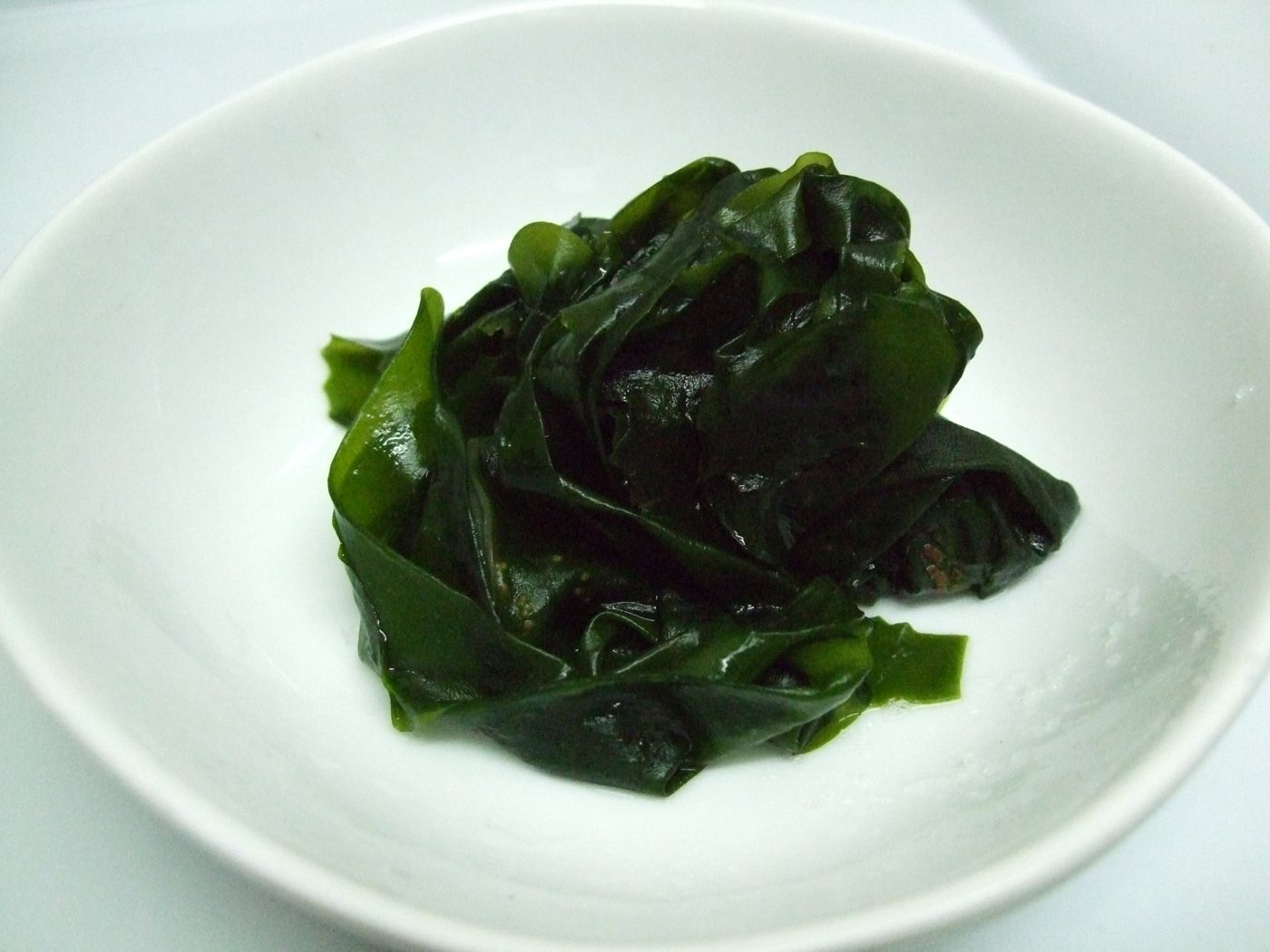 Sea mustard (miyeok, wakame)미역A tender brown seaweed sold dried in dark, crinkled strands that swell many times over in water. Simmered into miyeok-guk, it is the soup of birthdays and of a mother's first meals after giving birth.
- Cucumber오이Slender, thin-skinned Korean cucumbers, prized for their crunch. Stuffed and fermented as oi-sobagi, dressed quickly as oi-muchim, salted into oiji or floated in chilled summer soup.
 Soy sauce간장Korean soy sauce, in two main kitchen forms: pale, salty guk-ganjang (soup soy sauce) brewed the traditional way from meju, and darker, sweeter jin-ganjang for braises and marinades.
- Korean Vinegar식초Vinegar in the Korean kitchen, from naturally fermented grain and fruit vinegars, such as persimmon vinegar, to everyday brewed vinegar. It sharpens muchim, pickles and the dipping sauce chogochujang.
 Garlic마늘Used raw, minced, pickled and roasted, garlic is one of the essential aromatics of Korean food — in seasonings, marinades, kimchi and namul.
 Sesame참깨Toasted sesame seeds and sesame oil (chamgireum) finish countless Korean dishes, adding a nutty aroma and gloss.
 Gochugaru고춧가루Korean red chili powder, made from dried red peppers ground coarse or fine. It gives kimchi, gochujang and countless banchan their color and warmth.
Nutrition
| Calories | ~50 kcal |
|---|---|
| Protein | ~2.3 g |
| Fat | ~0.8 g |
| Carbohydrates | ~10 g |
| Fiber | ~0.6 g |
| Sodium | ~655 mg |
Notable forIodine · Folate · Manganese · Magnesium
Estimated by summing USDA FoodData Central values for raw wakame (for 200 g soaked seaweed), cucumber, onion, soy sauce, vinegar, sugar, garlic and sesame seeds, then dividing by four. USDA's raw wakame entry already contains about 870 mg sodium per 100 g; rinsing and soaking dried or salted seaweed can change this considerably, so actual sodium may be lower or higher. USDA does not report iodine for wakame; it is listed as notable because Korean sources describe miyeok as high in iodine, but amounts vary widely. Actual values vary with ingredients, portion size and preparation.
Health Benefits
- Minerals from the sea: the Encyclopedia of Korean Culture notes that miyeok is rich in calcium and high in iodine, the mineral the thyroid uses to make its hormones. USDA data also show wakame supplies folate, magnesium and manganese.
- Fiber and tradition: Korean sources credit miyeok's fiber with supporting regular digestion, one reason it has long been given to new mothers.
- Low in calories: the seaweed itself is very low in calories; most of the energy comes from the sugar in the dressing, which can be reduced.
Regional Variations
- Soy and sesame: the simplest muchim, dressed with soy sauce and sesame oil, as described in Korean encyclopedias.
- Sweet-sour (cho-muchim): dressed with vinegar, sugar and a little soy sauce or salt, usually with cucumber and onion, as in this recipe.
- With chogochujang: dressed with vinegared gochujang, sometimes with squid, whelks or other shellfish.
- Chilled soup: in summer the same ingredients become miyeok-naengguk, a cold vinegared soup served with ice.
Pairings
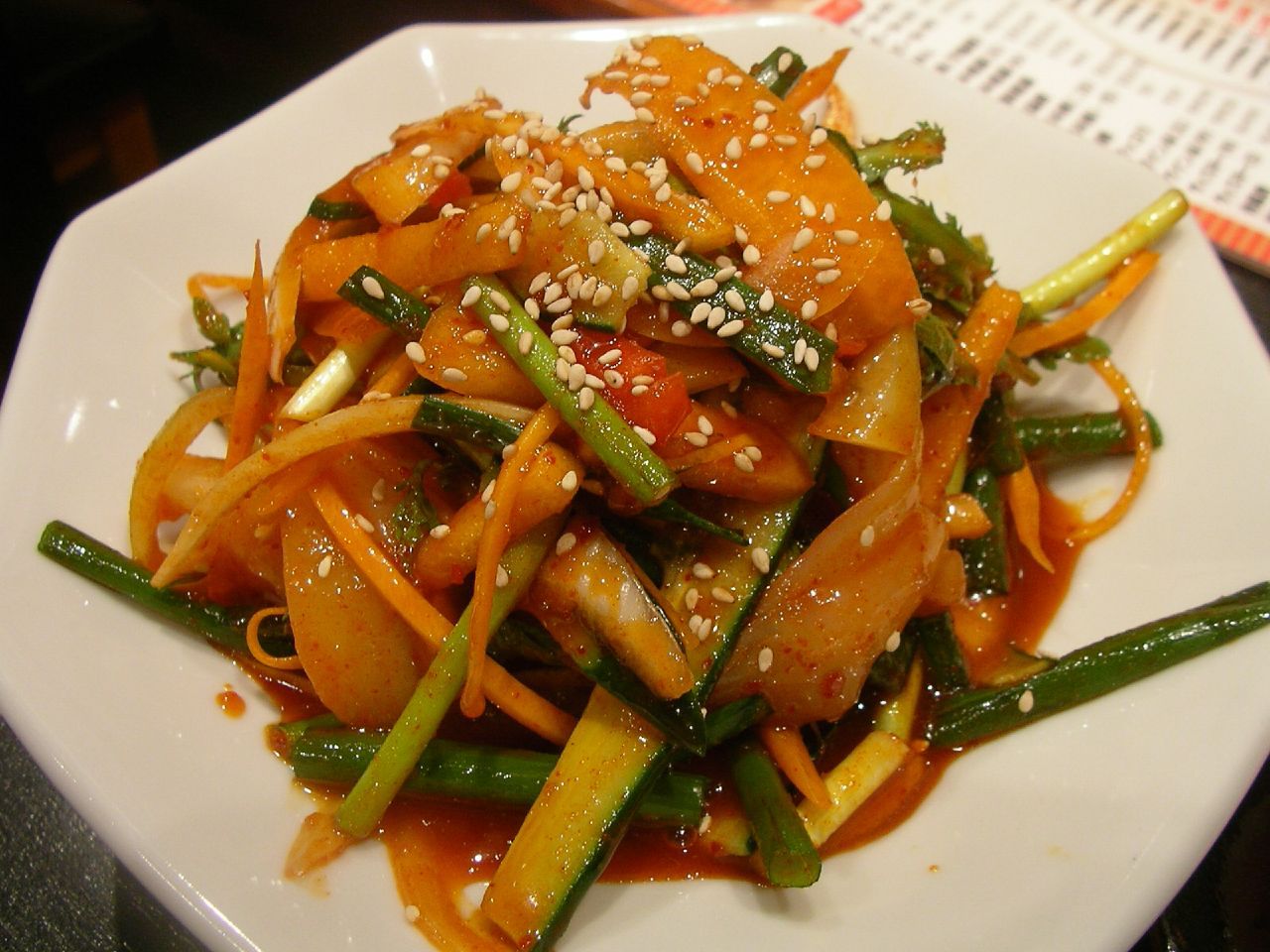 Oi Muchim오이무침Thin-sliced cucumber, briefly salted and tossed with chili flakes, vinegar and garlic — a cool, crunchy quick salad made in minutes, especially in summer.
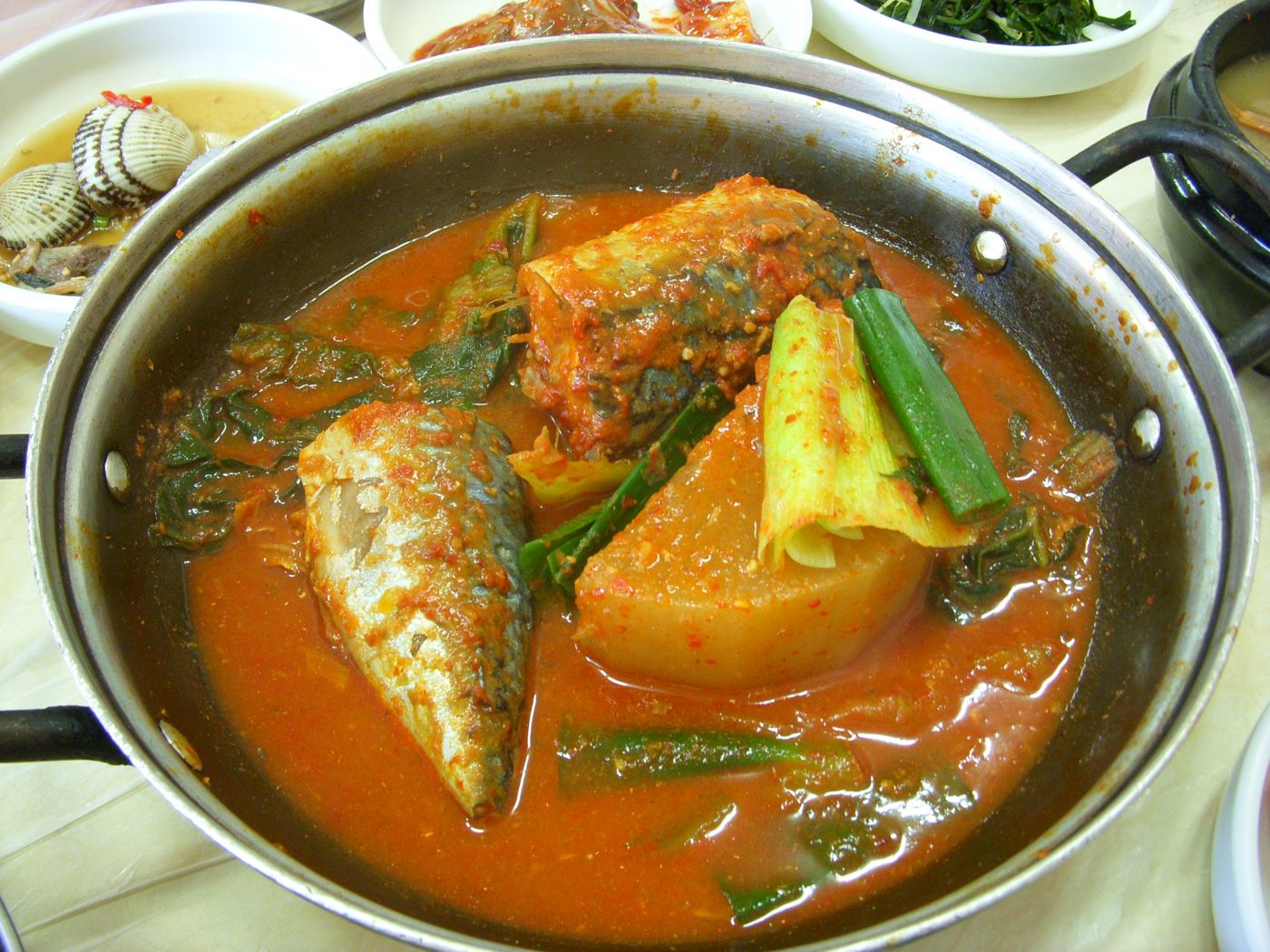 Godeungeo Jorim고등어조림Mackerel braised on a bed of Korean radish in a spicy soy and chili sauce — a warming, rice-friendly dish where the radish is often the best part.
 Gyeran Jjim (Steamed Egg)계란찜Eggs whisked with water or broth and gently steamed into a silky, savory custard, often seasoned with salted shrimp and served bubbling hot.