Travel
Eating in Jeonju
전주 먹거리 여행
A food-first guide to Jeonju, the UNESCO Creative City of Gastronomy: bibimbap, bean-sprout rice soup, makgeolli alleys and a hanok district to walk between meals.
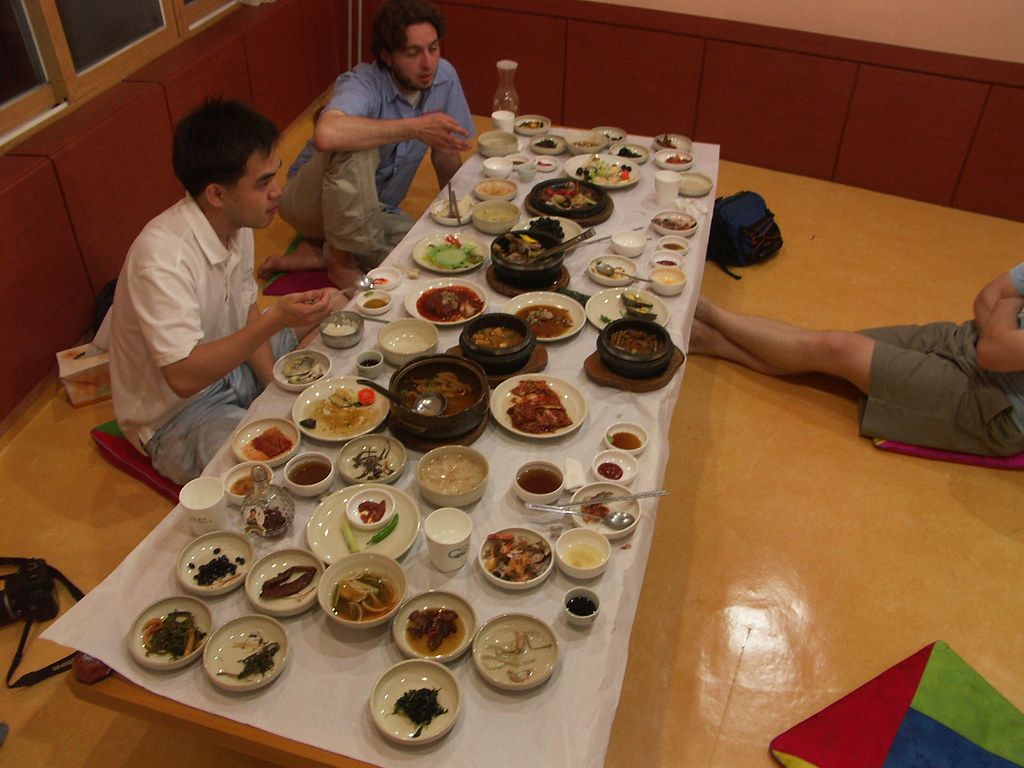 Photo: Rhett Sutphin, CC BY 2.0, via Flickr
Jeonju, the main city of North Jeolla Province, is the place most often named when Koreans talk about regional eating. UNESCO admitted it to its Creative Cities Network in the field of gastronomy in 2012. The city's profile there points to rice, seafood from the Yellow Sea and mountain greens as the basis of its reputation. This page is a guide to what to eat and how the meals tend to work. For the wider story of the city's food, see the Jeonju region page.
Why a food city
UNESCO's profile describes Jeonju as known as a "Taste City" and lists the Jeonju Bibimbap Festival and the International Fermented Food Expo among its food events. The city also set up a public-private foundation devoted to promoting bibimbap abroad. The designation recognizes a food culture; it is not a guarantee about any single restaurant, and the quality of individual meals still varies.
Bibimbap, the headline dish
The city's tourism office describes Jeonju bibimbap as a bowl combining more than thirty ingredients, built around five colors. It names several signature elements: rice cooked in beef bone broth, locally grown bean sprouts, a yellow muk (set starch jelly) made with spring water, and gochujang and soy sauce fermented in the traditional way. Not every bowl will include all of these, and many restaurants now use a plainer recipe. Ask for the traditional style if you want it. The gochujang is a good place to taste for how regional ingredients differ.
Many bibimbap restaurants sit near the old town, the hanok district and the city's traditional markets, so lunch is easy to fit into a walking day. The same tourism page notes bibimbap spin-offs such as croquettes and waffles, which are fun snacks but are modern inventions rather than the traditional dish.
Bean-sprout rice soup
The other dish tied to the city is kongnamul-gukbap, a hot rice soup built on soybean sprouts. English-language tourism pages describe it as a winter staple, and the city's tourism office lists several restaurants that serve it. It is a close relative of kongnamul-guk and of the other rice-in-soup meals described under dwaeji-gukbap. Local guides often say that the soup is the classic morning meal, which makes it a good first stop after arriving. Ask how the soup is served, because places differ on whether the egg arrives raw or cooked and whether the soup is mild or spicy. A small dish of saeujeot (salted shrimp) is the usual way to adjust the seasoning at the table; add it a little at a time. The sprouts themselves are covered under soybean sprouts.
Makgeolli alleys
Jeonju's makgeolli houses work differently from most bars. According to the city's tourism office, you order a pot of makgeolli and side dishes arrive with it, a handful at a time, with new plates coming with each additional pot. A single house typically sends out more than ten dishes, from savory pancakes to stews and seasoned vegetables. The tourism office describes the Samcheon-dong alley, with over twenty makgeolli houses along roughly 200 meters, as the original of Jeonju's makgeolli alleys and a designated "Jeonju Future Heritage" site. Other alleys exist in other neighborhoods. This is drinking-with-food in the old Korean sense, described under anju and drinking culture. The brewing side of the story is in making makgeolli and traditional liquor. Pace yourself: the pots arrive quickly, and the food is part of the value.
The hanok district
Jeonju Hanok Village is a district of traditional-style houses that the city says holds more than 800 buildings. Many now operate as cafes, tea rooms, craft shops, guesthouses and restaurants. The village is a pleasant place to walk off a meal and a reasonable place to sleep. More on the houses and the stays is in hanok villages.
Planning tips
- Bring an appetite and an overnight bag. Several guides recommend staying the night so you can have both the makgeolli alley and a morning soup.
- Seasonal and festival timing changes. The Bibimbap Festival and other events are described in food festivals.
- For ordering etiquette, see ordering and paying and dining etiquette.
- Travel details such as opening hours, prices and addresses change; check current listings with the city's tourism office before you go.