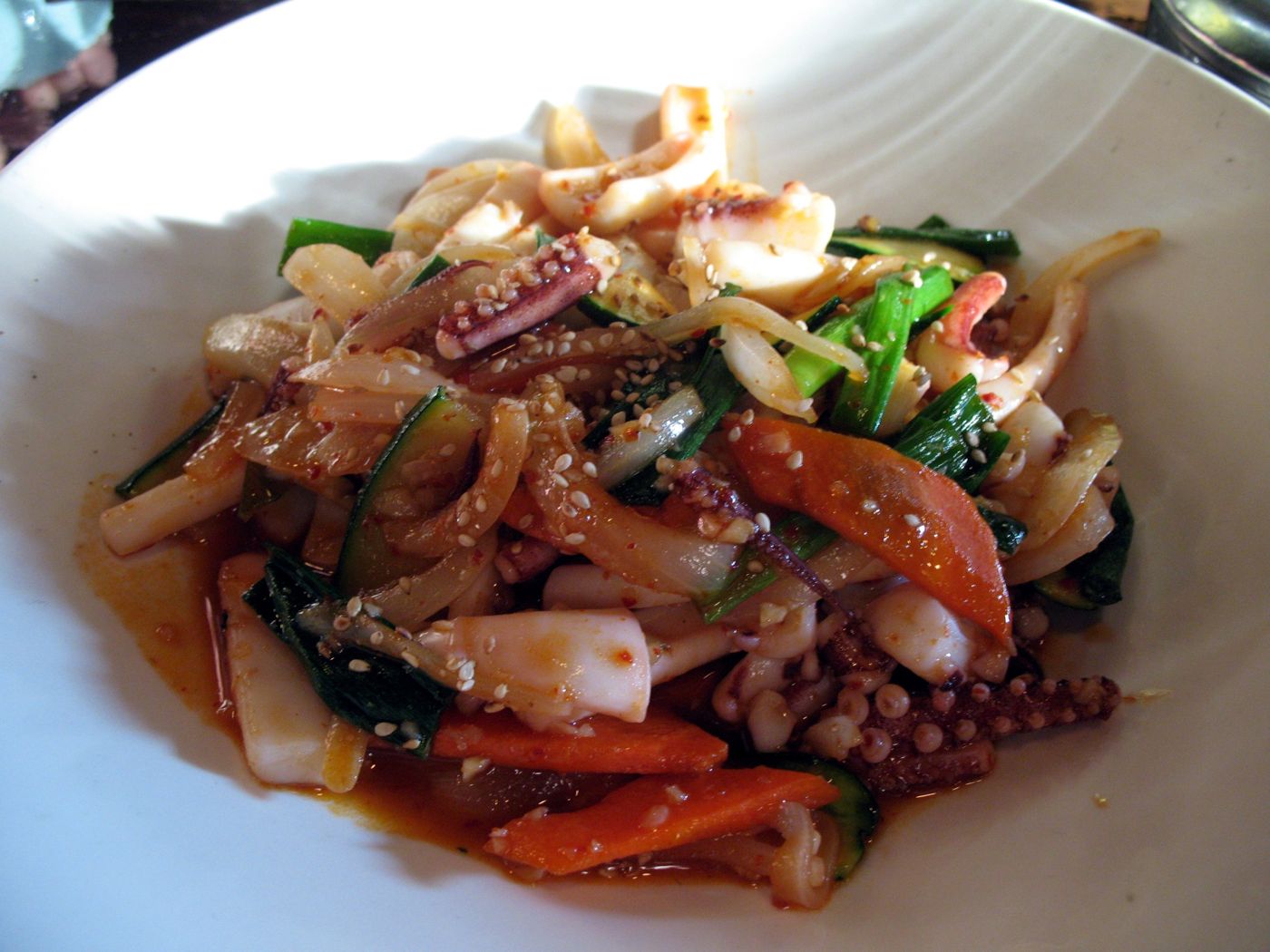
 Photo: Tammy Green from Chicago, USA, CC BY-SA 2.0, via Wikimedia Commons
Bokkeum · Stir-fried 볶음
Ojingeo Bokkeum (Spicy Stir-Fried Squid)
오징어볶음
Romanization: ojingeo-bokkeum
Scored squid stir-fried over high heat with onion, cabbage and a fiery gochujang-gochugaru sauce — tender, smoky and spicy, eaten with plenty of rice.
- Serves
- 4
- Prep
- 25 min
- Cook
- 10 min
Recipe
Ingredients · Serves 4
- 2 mediumSquidabout 600 g whole, 450 g cleaned
- 1 mediumOnionabout 150 g, cut into wedges
- 100 gCabbagecut into 3 cm pieces
- 50 gCarrotthinly sliced
- 1 Green chili peppersliced on the diagonal
- 2 stalksGreen onioncut into 4 cm lengths
- 2 tbspGochugaru
- 1½ tbspGochujang
- 2 tbspSoy sauce
- 1 tbspSugar
- 1 tbspGarlicminced
- 1½ tbspNeutral cooking oil
- 1 tspToasted sesame oil
- 1 tspToasted sesame seeds
Method
Technique: Bokkeum: Korean Stir-Frying
Step 1: Clean the squid: pull the head and tentacles from the body, remove the innards and the clear cartilage quill, and cut the eyes and beak away from the tentacles. Peel off the skin if you like, then rinse.
Step 2: Score the inside of the body in a crosshatch pattern without cutting through, then cut it into strips about 2 × 6 cm; cut the tentacles into 6 cm lengths. Pat dry.
Step 3: Mix the gochugaru, gochujang, soy sauce, sugar and garlic into a sauce.
Step 4: Heat the oil in a wok or large skillet over high heat. Stir-fry the onion, cabbage and carrot for 1–2 minutes, until just beginning to soften.
Step 5: Add the squid and the sauce and stir-fry briskly for 2–3 minutes, only until the squid curls and turns opaque; overcooked squid turns rubbery and releases water.
Step 6: Add the chili and green onion, toss for 30 seconds, then turn off the heat. Finish with sesame oil and sesame seeds and serve right away with rice.
Origin & History
Squid is one of the most familiar seafoods in Korea. The species most caught today, sal-ojingeo (Japanese flying squid, Todarodes pacificus), comes mostly from the East Sea, which the Encyclopedia of Korean Folk Culture says supplies over 70 percent of the catch; Ulleungdo has long been famous for squid dried quickly after the night's fishing. The same encyclopedia points out a naming muddle: the ojingeo of old texts was the cuttlefish now called gap-ojingeo, while the word today means flying squid.
Squid has been stir-fried in Korea for centuries. The folk-culture encyclopedia cites Joseon-era texts that describe cutting the white flesh into domino-shaped pieces and frying it briefly in oil, and stir-frying it as the base of a soup; others recommend it raw, dried, in soups or as sikhae. The Encyclopedia of Korean Culture's entry on bokkeum places squid among the moist stir-fries — dishes cooked fast over strong heat with a seasoned sauce — alongside octopus and pork.
The modern red, gochujang-based ojingeo-bokkeum became a standard of home cooking as fresh squid became widely available inland; the folk-culture encyclopedia notes that improved transport replaced frozen, salted and dried squid with fresh squid across the country. The dictionary of the National Institute of Korean Language defines the dish simply as squid cut small and stir-fried with vegetables and seasonings.
Key Ingredients
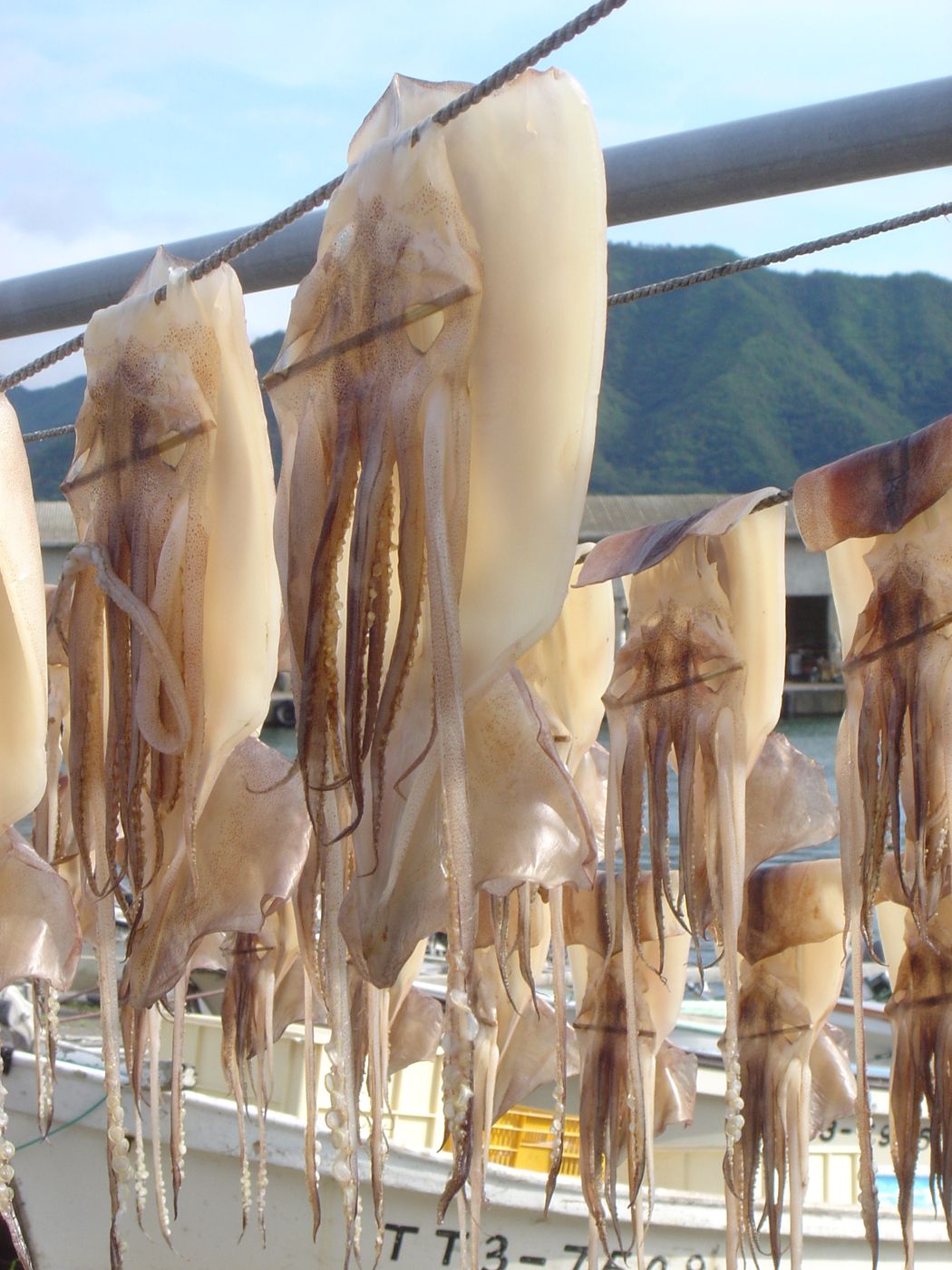 Squid오징어Fresh squid for stir-fries, pancakes and stuffed ojingeo-sundae, and dried squid — whole, sun-cured bodies or sweet-salty shredded jinmichae — that has become one of Korea's best-loved pantry foods.
- Korean Chili Peppers (Fresh)고추Fresh Korean chili peppers, eaten green (putgochu) or red (hong-gochu): from the fiery cheongyang-gochu to the small, wrinkled, mild kkwari-gochu that is braised and stir-fried as banchan.
 Green onion파Korean green onion (pa), from thick-stemmed daepa to slender scallions — chopped into nearly every seasoning sauce, soup and kimchi, and the star of pa-kimchi.
 Gochugaru고춧가루Korean red chili powder, made from dried red peppers ground coarse or fine. It gives kimchi, gochujang and countless banchan their color and warmth.
- Gochujang고추장Fermented red chili paste — sweet, savory and hot. Made from meju powder, glutinous rice, malt and gochugaru, it is a later addition to Korea's family of jang.
 Soy sauce간장Korean soy sauce, in two main kitchen forms: pale, salty guk-ganjang (soup soy sauce) brewed the traditional way from meju, and darker, sweeter jin-ganjang for braises and marinades.
 Garlic마늘Used raw, minced, pickled and roasted, garlic is one of the essential aromatics of Korean food — in seasonings, marinades, kimchi and namul.
 Sesame참깨Toasted sesame seeds and sesame oil (chamgireum) finish countless Korean dishes, adding a nutty aroma and gloss.
Nutrition
| Calories | ~245 kcal |
|---|---|
| Protein | ~24.2 g |
| Fat | ~8.9 g |
| Carbohydrates | ~18.5 g |
| Fiber | ~3.6 g |
| Sodium | ~826 mg |
Notable forProtein · Copper · Vitamin B12 · Selenium
Squid uses the Korean Food Composition Table entry “Japanese flying squid, Raw” (per 100 g: 94 kcal, 18.8 g protein, 199 mg sodium, 0.53 mg copper) for 450 g of cleaned squid. The Korean entry does not report vitamin B12 and lists selenium as zero; the B12 and selenium in “notable” are based on USDA FoodData Central's “Mollusks, squid, mixed species, raw” (1.3 µg B12, 44.8 µg selenium, 233 mg cholesterol per 100 g). Onion uses USDA; cabbage, carrot, green chili, gochujang and soy sauce use Korean table values; gochugaru uses the USDA cayenne entry as a stand-in; other seasonings use USDA FoodData Central. Totals divided by four. Actual values vary with ingredients, portion size and preparation.
Health Benefits
- Lean protein: squid is high in protein and low in fat; the folk-culture encyclopedia describes it as a high-protein, low-fat food.
- Minerals and B12: squid is a source of copper, selenium and vitamin B12.
- Vegetables in the pan: onion, cabbage and carrot add fiber, vitamin C and beta-carotene to a dish that is otherwise mostly protein.
Regional Variations
- Gochujang-gochugaru sauce: the common home and restaurant version, with onion, cabbage, carrot and green onion.
- Over rice: spooned over a bowl of rice with its sauce, a popular one-dish lunch.
- Related stir-fries: nakji-bokkeum (small octopus) and jjukkumi-bokkeum (webfoot octopus) follow much the same method.
Pairings
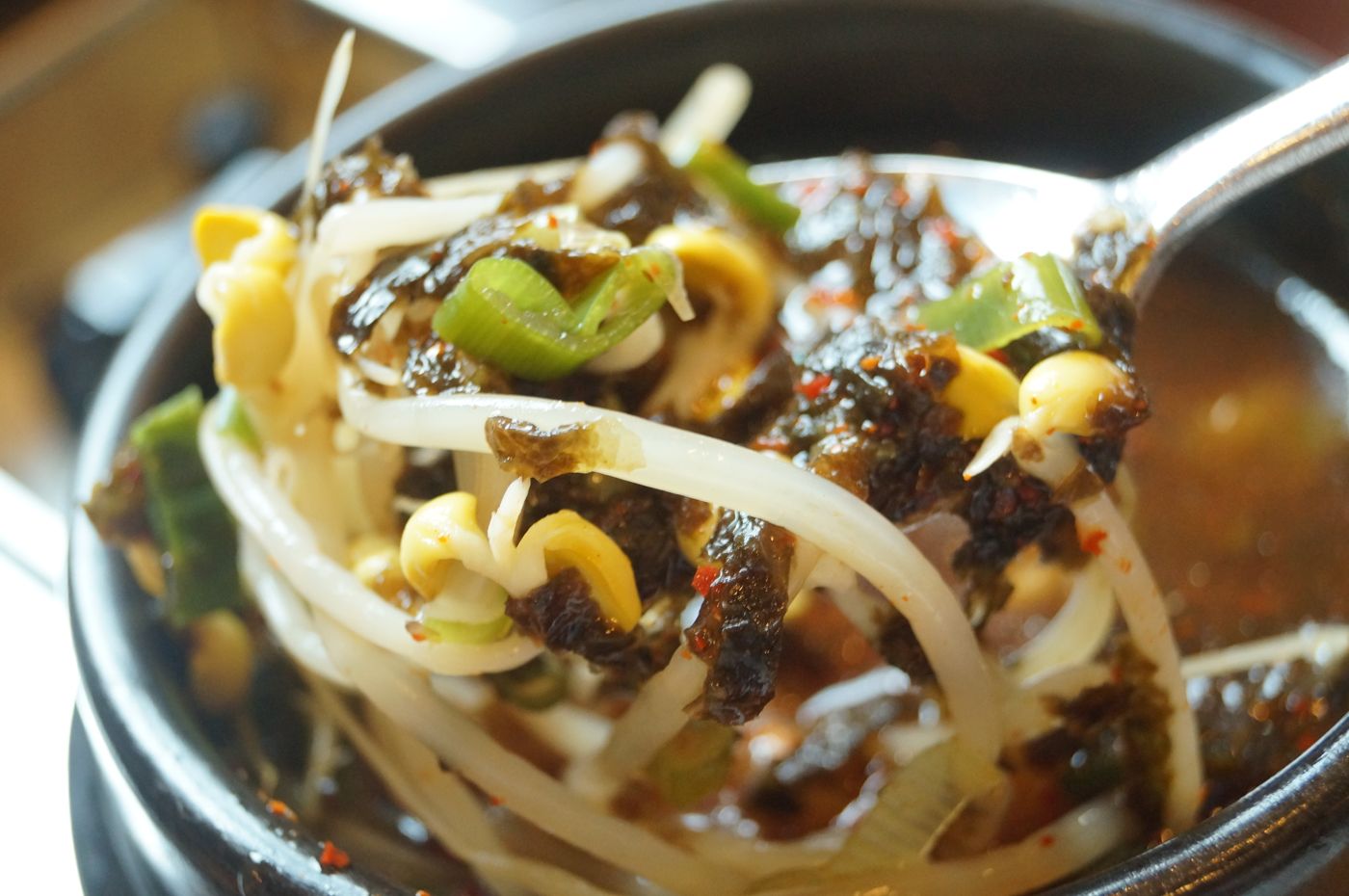 Kongnamul Guk (Soybean Sprout Soup)콩나물국A clear, light soup of soybean sprouts in anchovy-kelp stock, seasoned with salt or soup soy sauce — an everyday guk and a favorite morning-after cure.
 Gyeran Jjim (Steamed Egg)계란찜Eggs whisked with water or broth and gently steamed into a silky, savory custard, often seasoned with salted shrimp and served bubbling hot.
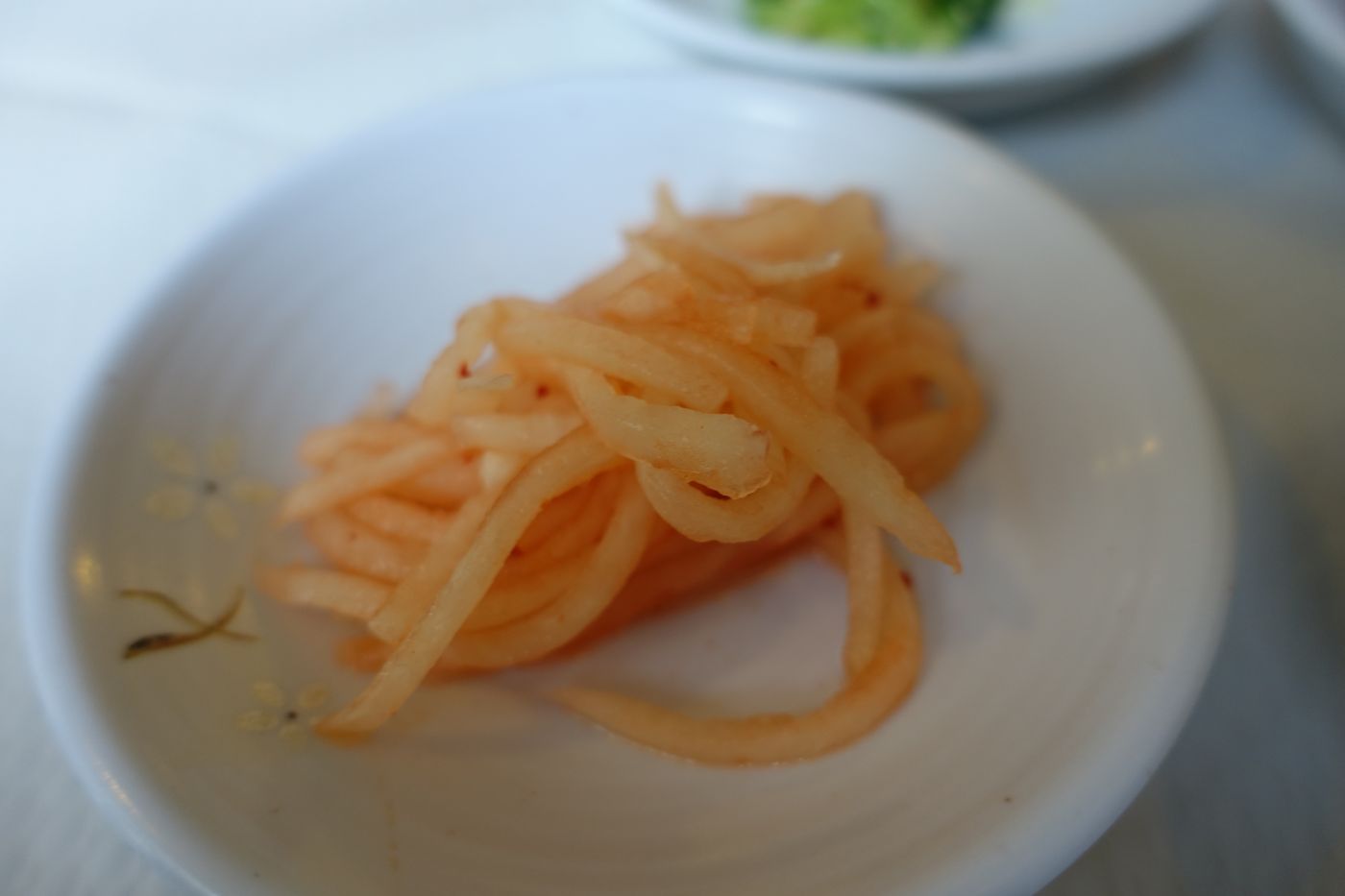 Musaengchae무생채Fine matchsticks of Korean radish dressed raw with chili flakes, a little vinegar and sugar — crisp, sweet-sharp and best made just before the meal.
Sources
- 01오징어 (Squid) — Encyclopedia of Korean Folk Culture (National Folk Museum of Korea)
- 02오징어 (Squid) — Encyclopedia of Korean Culture
- 03볶음 (Bokkeum) — Encyclopedia of Korean Culture
- 04오징어볶음 (Ojingeo-bokkeum) — Urimalsaem (National Institute of Korean Language)
- 05Korean Food Composition Table: Japanese flying squid, Raw — National Institute of Agricultural Sciences
- 06Mollusks, squid, mixed species, raw (FDC 174223) — USDA FoodData Central
Last updated