The Banchan Encyclopedia
History & Culture
역사와 문화
The people, rituals and traditions behind Korean food.
25–36 of 50 entries
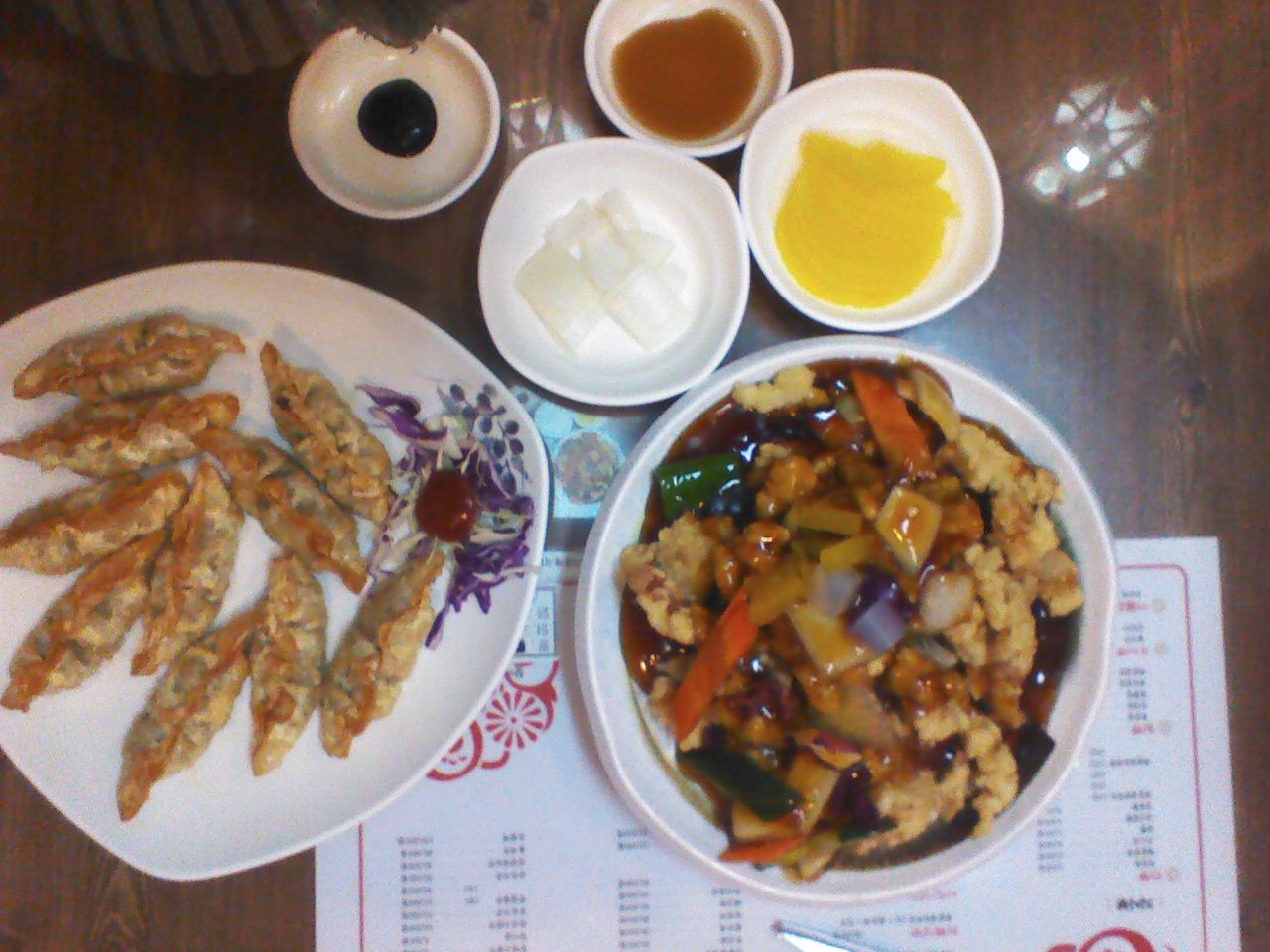 Junghwa Yori: Korea's Chinese Food한국식 중화요리From Shandong migrants in 1880s Incheon to the delivery bowl: how jajangmyeon, jjamppong and tangsuyuk became Korean food, and why their origin stories are still argued over.
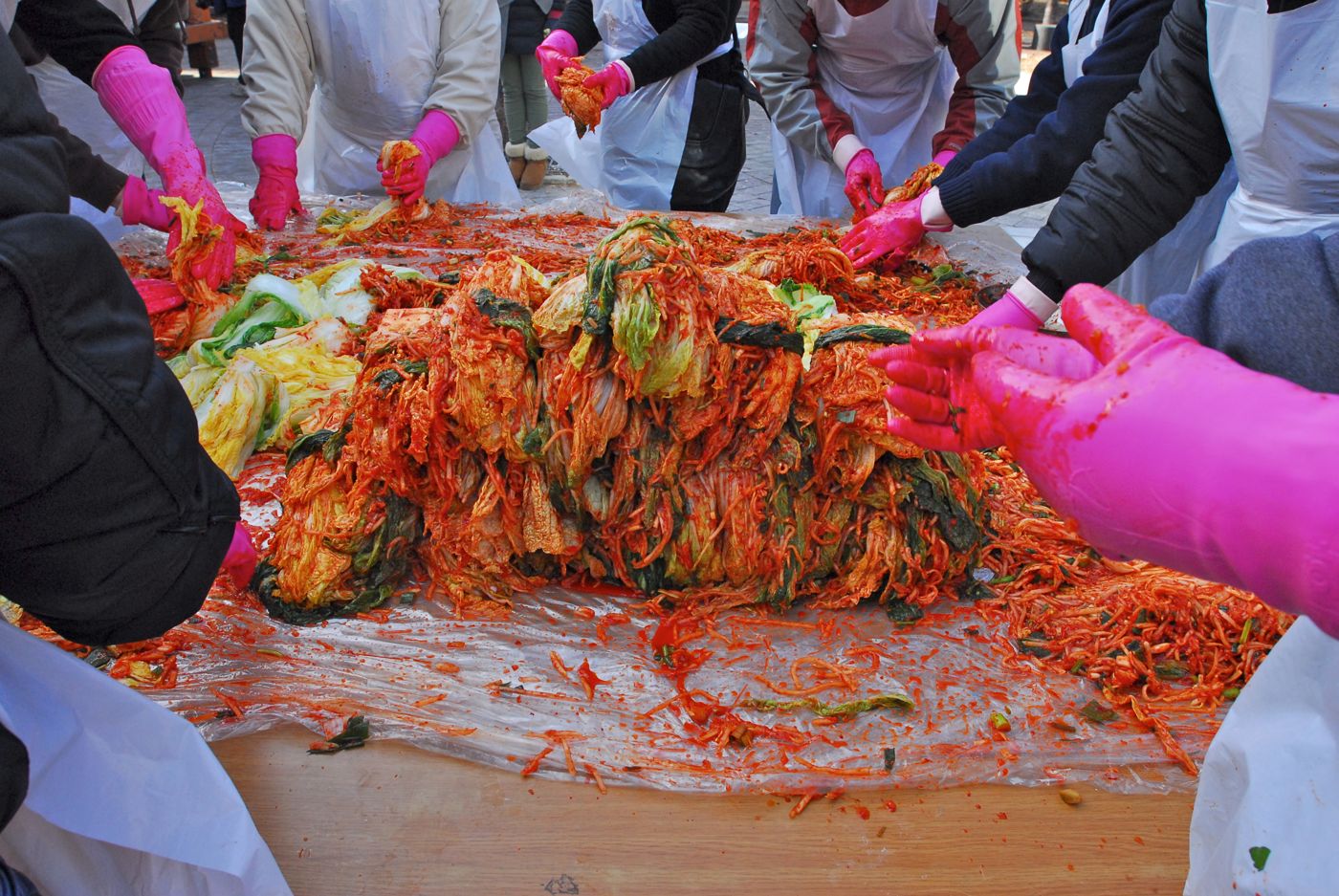 Kimjang: Making Kimchi Together김장The late-autumn gathering in which families and neighbors make winter kimchi together, recognized by UNESCO for both South and North Korea.
- Korean Bakery Culture: From Postwar Bread to Bread Tours한국의 빵집 문화A short history of bread in Korea: colonial-era bakeries, postwar flour, shops that outlasted their founders, bake-off chains and the modern habit of traveling for a loaf.
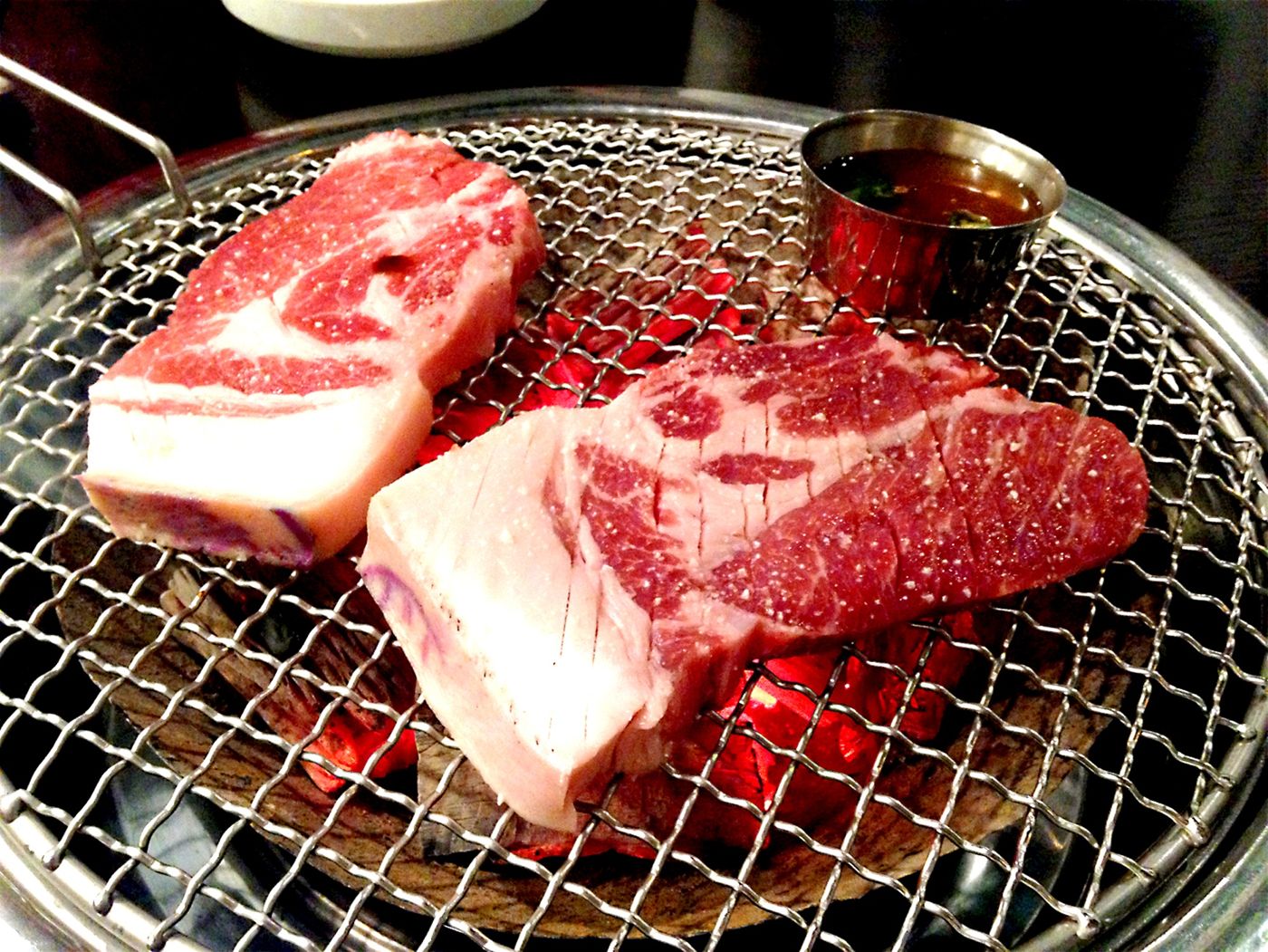 Korean Barbecue: A History of Gogi-gui고기구이 문화From the ancient maekjeok to neobiani, bulgogi, Suwon galbi and the late rise of samgyeopsal, and why the lettuce wrap and banchan matter as much as the grill.
- Korean Café and Dessert Culture: From Dabang to Bingsu카페와 디저트 문화From early tea rooms and music dabang to specialty cafés, with a look at bingsu and the revival of yakgwa, gangjeong and other traditional sweets.
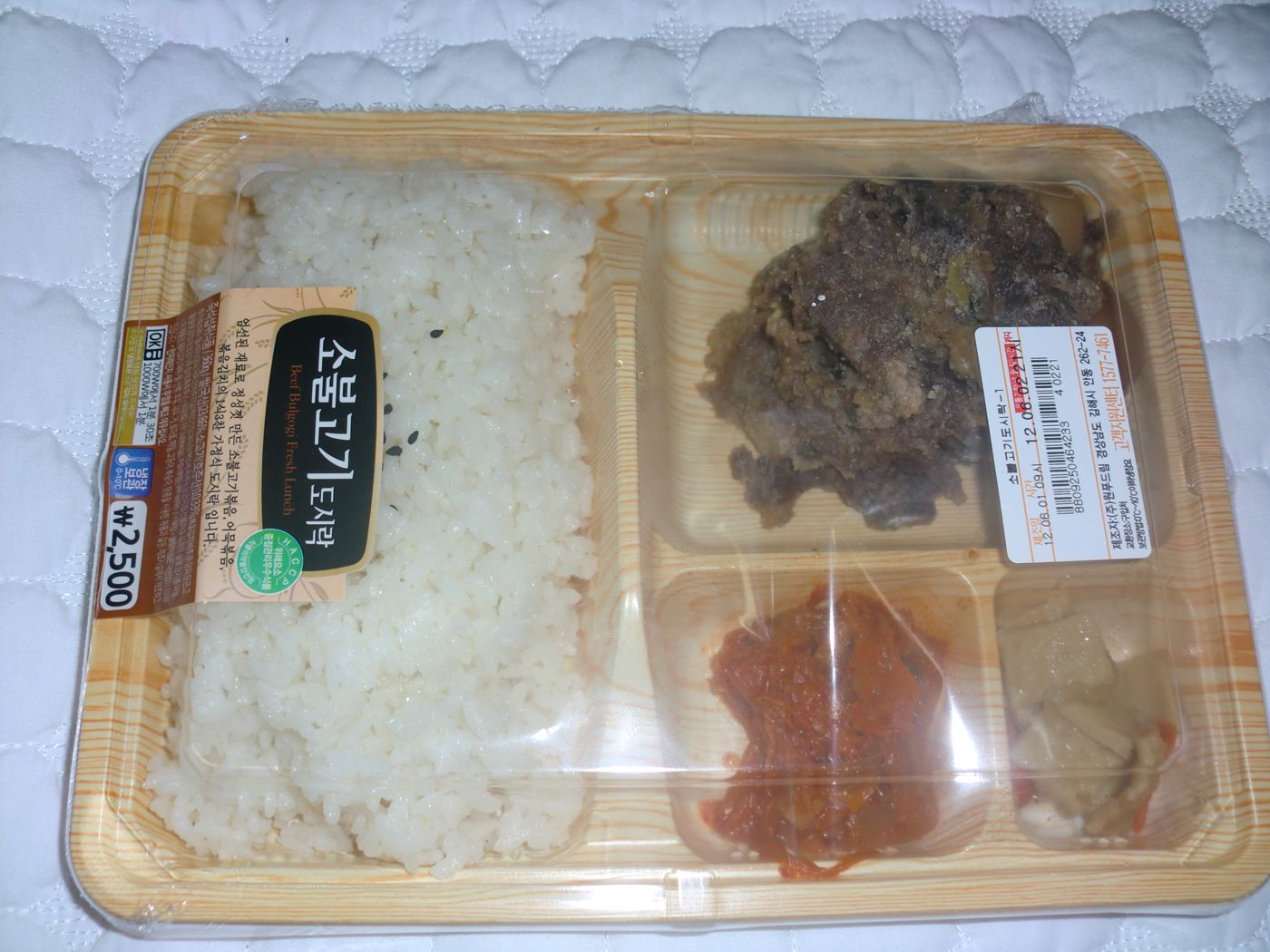 Korean Convenience-Store Food편의점 음식Triangle gimbap, packed dosirak and instant ramyeon eaten at the window counter: how South Korea's dense network of convenience stores became part of the everyday food landscape.
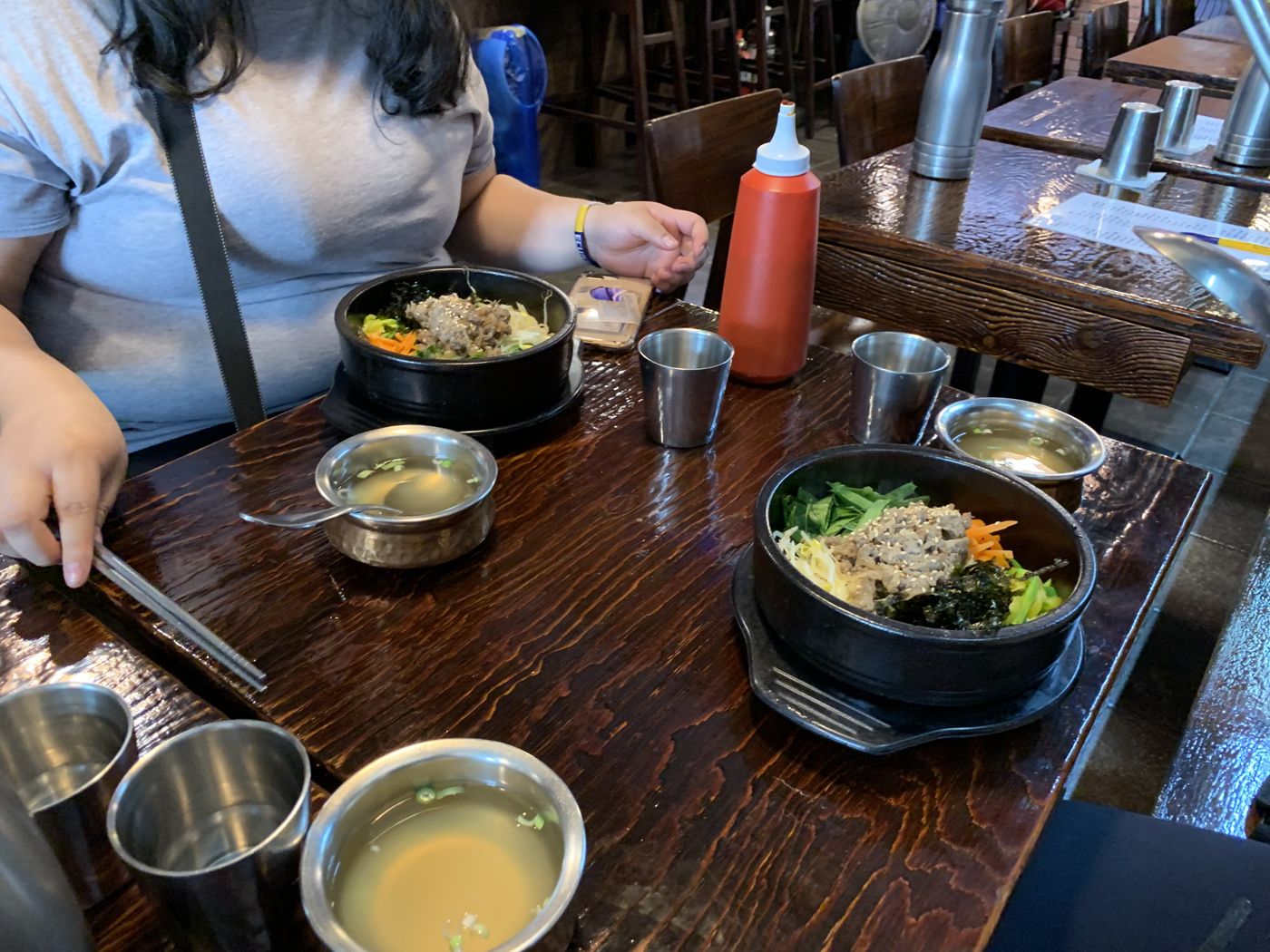 Korean Food Abroad: Diaspora Foodways해외 한인의 음식 문화Carrot salad in Tashkent, offal grills and new kimchi in Osaka, short-rib tacos in Los Angeles: how Korean emigrants rebuilt their table with what they could find.
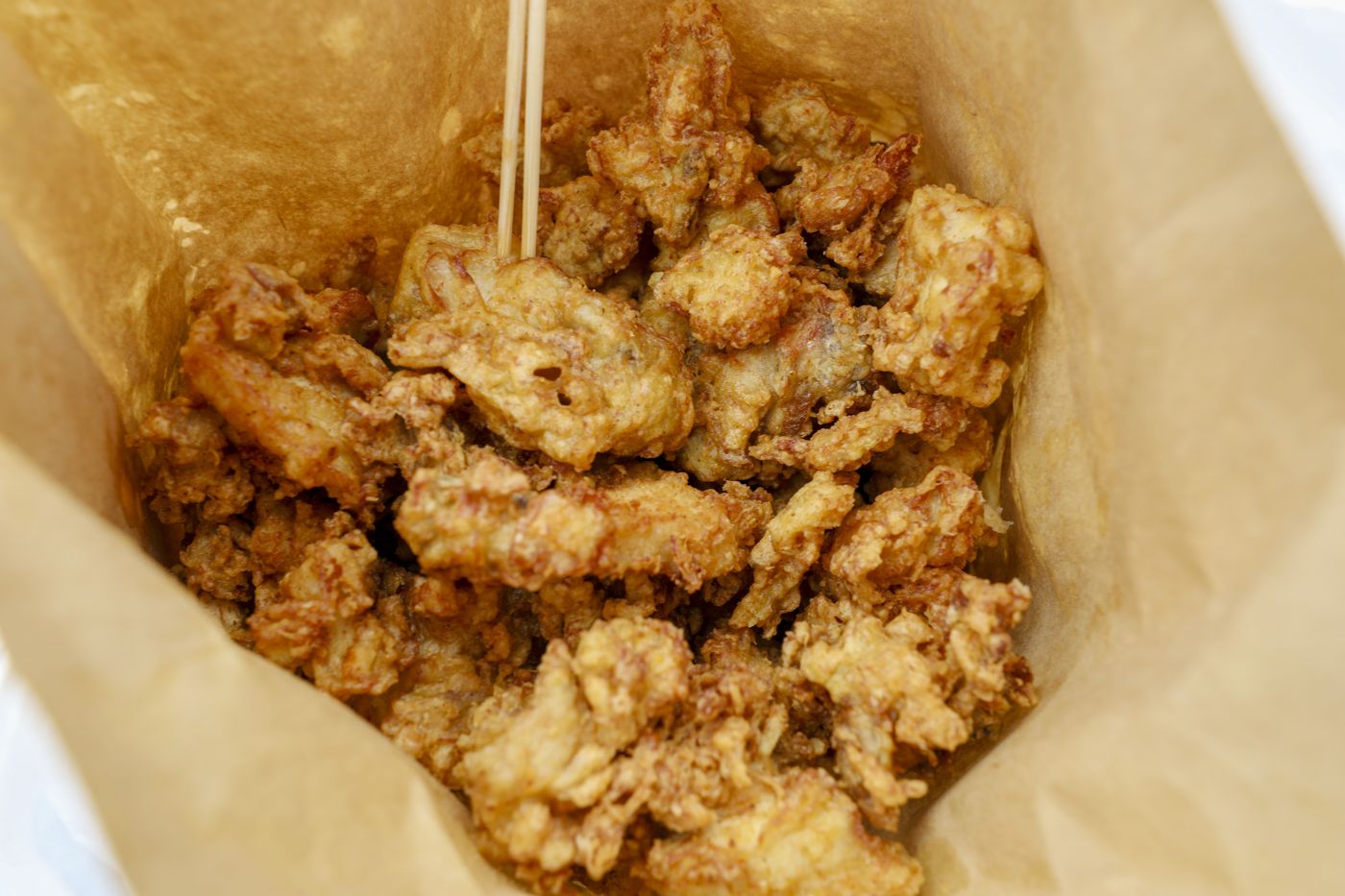 Korean Fried Chicken: From Tongdak to Chimaek한국 치킨의 역사How rotisserie birds, cheap cooking oil, department-store franchises and a sticky red glaze turned fried chicken into one of South Korea's most loved foods.
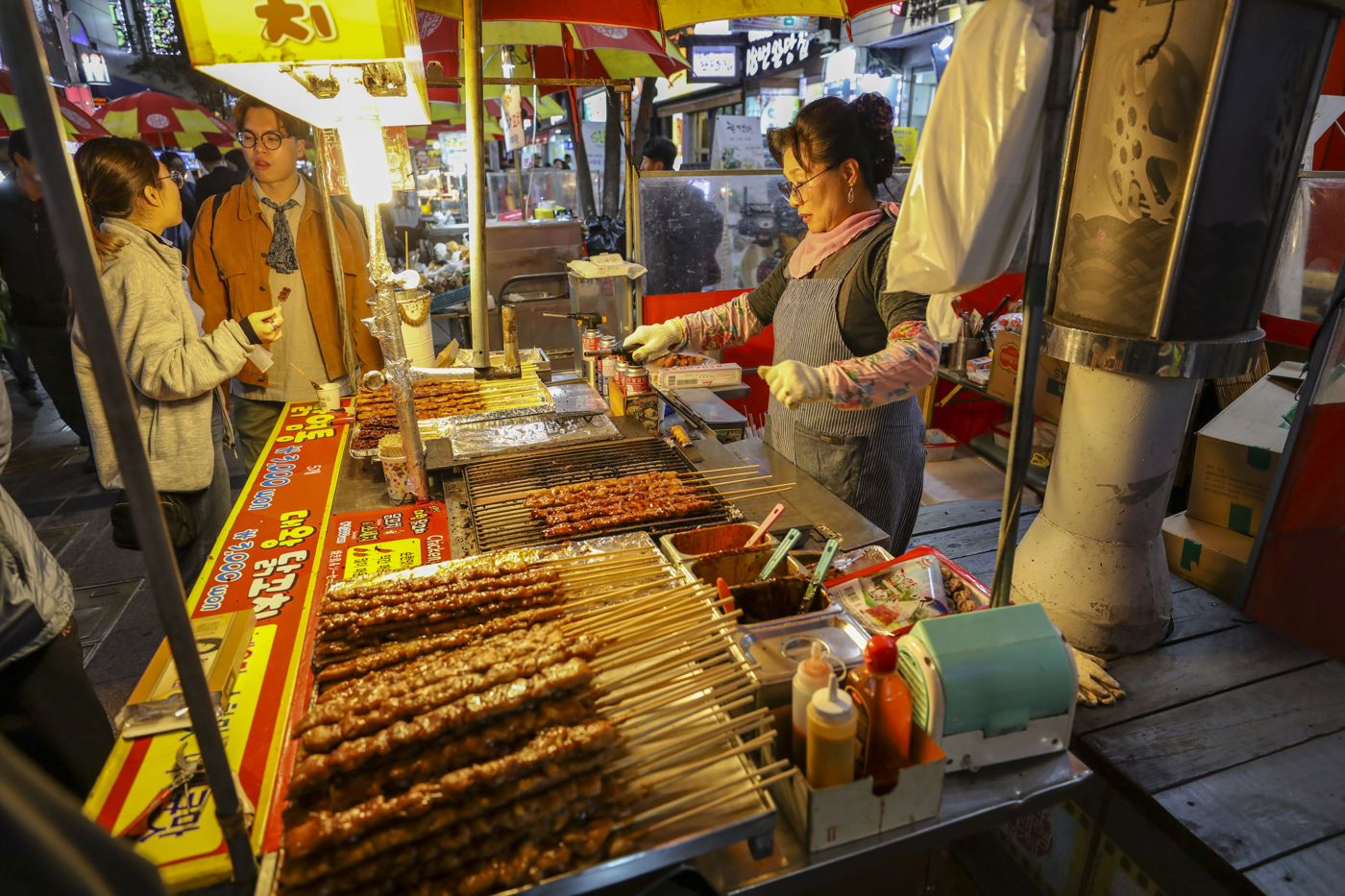 Korean Street Food: Pojangmacha to Bungeoppang길거리 음식How tented carts, Chinese-immigrant hotteok, fish-shaped pastries, Busan fishcakes and gochujang tteokbokki became Korea's street food after liberation and the war.
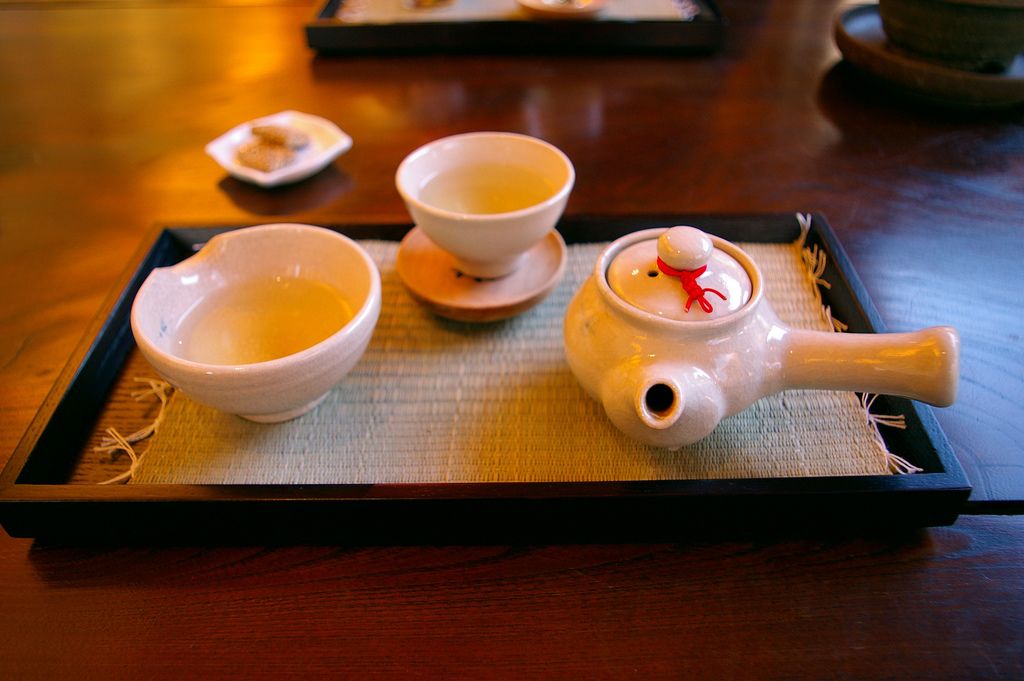 Korean Tea Culture: From Temple Tea to Darye한국의 차 문화How green tea arrived with Silla, flourished in Goryeo's temples and court, faded under Joseon, was revived by the monk Cho Ui, and lives on in Boseong, Hadong and the many herbal cha.
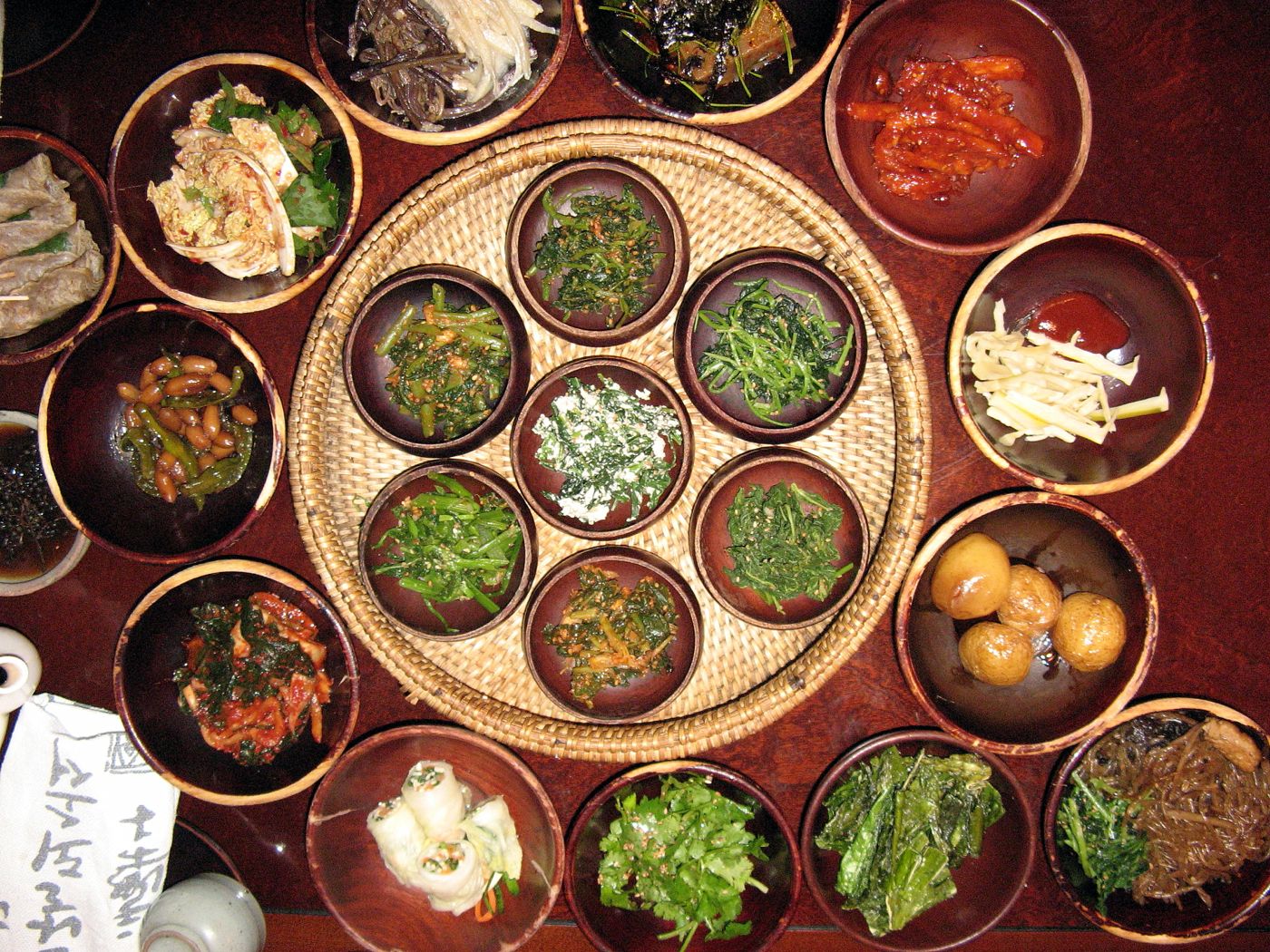 Korean Temple Food사찰음식The plant-based cooking of Korean Buddhist monasteries: no meat, none of the five pungent vegetables, and a deep reliance on the seasons and on fermentation.
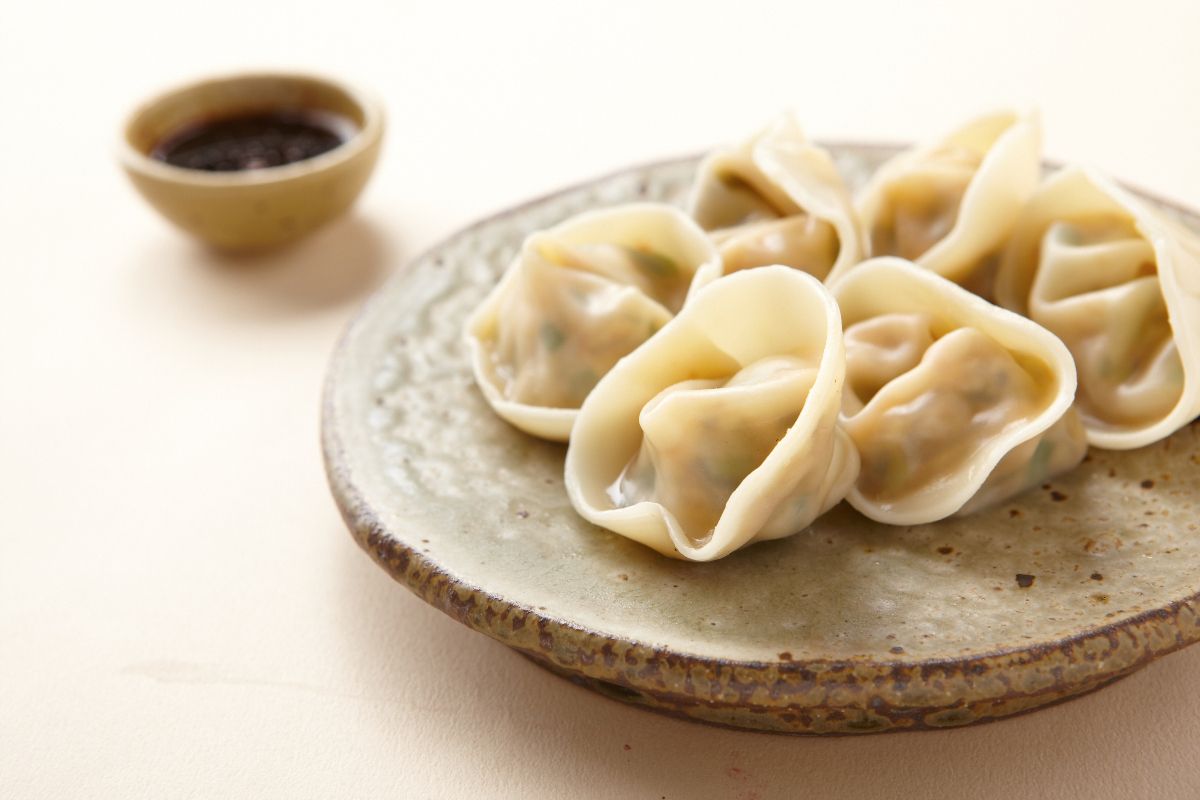 Mandu: A History of Korean Dumplings만두의 역사From a Goryeo song about a dumpling shop to court fish dumplings, northern winter mandu and supermarket freezers: how dumplings settled into the Korean table.