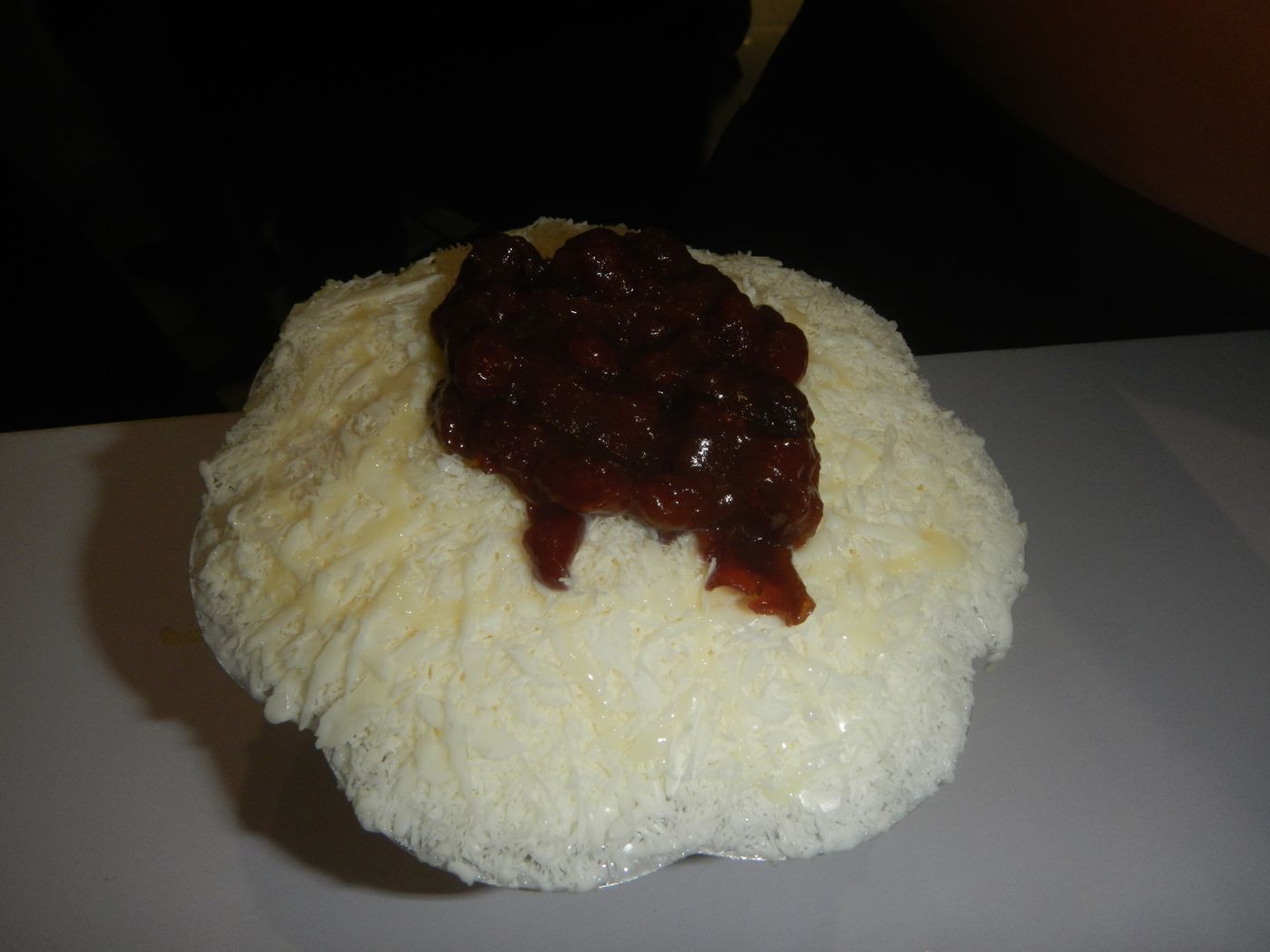
 Photo: Judgefloro, CC0, via Wikimedia Commons
More dishes 기타
Patbingsu (Shaved Ice with Sweet Red Beans)
팥빙수
Romanization: patbingsu
A mound of finely shaved ice crowned with sweetened red beans and milk: Korea's signature summer dessert, built on a centuries-old taste for ice.
- Serves
- 4
- Prep
- 30 min
- Cook
- 60 min
RegionSeoul & Gyeonggi
Jump to recipeRecipe
Ingredients · Serves 4
- 150 gDried red (adzuki) beansrinsed
- 60 gSugarstirred into the beans
- 1 pinchSalt
- 700 mlWaterfor simmering, plus more as needed
- 100 mlMilk
- 15 gSugardissolved into the milk
- 800 gIceshaved very fine, or frozen milk or water blocks run through a shaver
Method
Step 1: Boil the beans in plenty of water for 5 minutes, drain and discard the water, which removes bitterness. Return to the pot with 700 ml fresh water.
Step 2: Simmer gently, covered, for 50 to 60 minutes, until the beans are completely soft and can be crushed easily. Add water as needed.
Step 3: Stir in 60 g sugar and the salt, then cook uncovered for 10 minutes more until thick. Cool fully; chill if you like.
Step 4: Warm the milk with 15 g sugar until dissolved, then chill.
Step 5: Shave the ice into four bowls, using a shaver or a blender or ice-shaving attachment that produces a fine, fluffy texture.
Step 6: Top each bowl with a quarter of the beans and a drizzle of milk. Serve immediately.
Origin & History
The Korea Food Promotion Institute locates the roots of bingsu in the Joseon court's ice supply. Officials who received ice from the state storehouse at Seobinggo are recorded as crushing it into cold fruit punches (hwachae). The Encyclopedia of Korean Culture describes Seobinggo as an ice office beside the Han River in Seoul with eight storehouses that held the winter's harvest of river ice and released it from the third month of the following year to the court, civil and military officials, and the sick and prisoners. A Hansik magazine feature adds that cutting ice from the Han was brutal winter work, and that a poorly managed stock could cost an official his post. Ice was a privilege long before it was a dessert.
The red bean topping is the later, less certain part of the story. The Hansik institute says that putting sweetened red bean paste on shaved ice became common during the Japanese colonial period; other accounts differ. One food writer's survey of origin stories also records older Seoul residents who credited the post–Korean War years, when American surplus supplies met a growing taste for sweets, with the modern version, first from street vendors and then in cafes. These are recollections, not documented history, so the date and place of the first patbingsu remain open.
What is clearer is the dessert's range. The Hansik institute notes that fruit, coffee and green tea bingsu have since joined the classic, and red beans themselves have a long Korean career in porridge and rice cakes (see patjuk and pat).
Nutrition
| Calories | ~212 kcal |
|---|---|
| Protein | ~9 g |
| Fat | ~0.9 g |
| Carbohydrates | ~42.2 g |
| Fiber | ~5.8 g |
| Sodium | ~64 mg |
Notable forFiber · Potassium
Dried adzuki beans use the Korean Food Composition Table entry (337 kcal, 15.5 g fiber, 1,333 mg potassium per 100 g dried); sugar, 2% milk and salt use USDA FoodData Central. Ice contributes no calories. Shop-bought bingsu with toppings, syrups or ice cream will be much higher. Actual values vary with ingredients, portion size and preparation.
Health Benefits
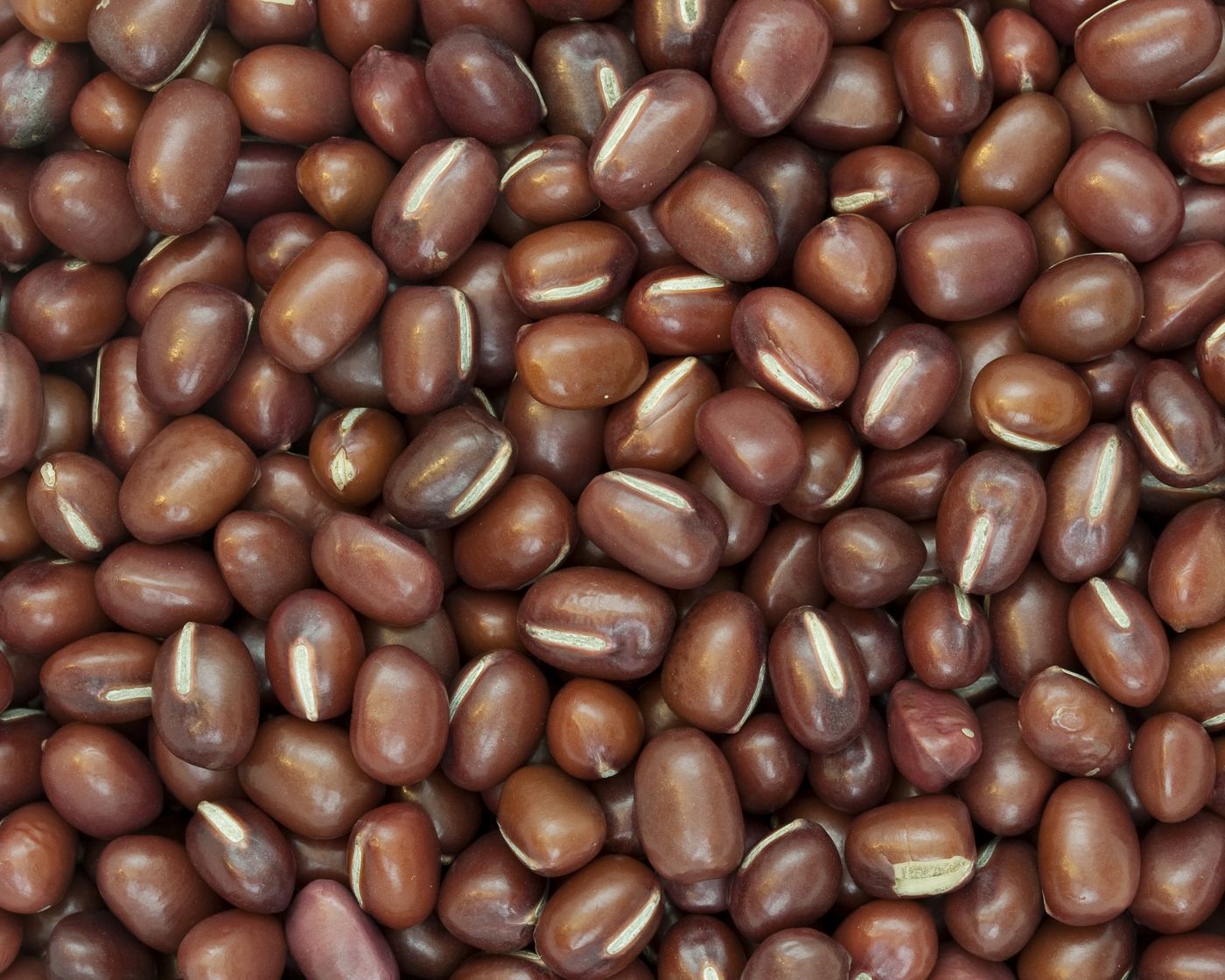
- Fiber and plant protein: per the Korean Food Composition Table, dried red beans are about one-fifth protein and 15 g of fiber per 100 g.
- Potassium: dried adzuki beans are also a notable source of potassium in the same table.
- A light, cooling treat: a home-made bowl like the one above is much lighter than café versions with ice cream and syrups.
Regional Variations
- Classic patbingsu: shaved ice with sweetened red beans, often with rice cake pieces and a drizzle of milk or condensed milk.
- Fruit, coffee and green tea: the Hansik institute lists these as later additions to the repertoire.
- Old-style with roasted-bean powder: one food writer describes the older style as milk-flavored ice with beans and roasted bean powder, and the cereal-and-fruit-cocktail version as a different tradition.
- Injeolmi style: topping the ice with rice cake and roasted soybean powder borrows from the rice cake injeolmi.
Pairings
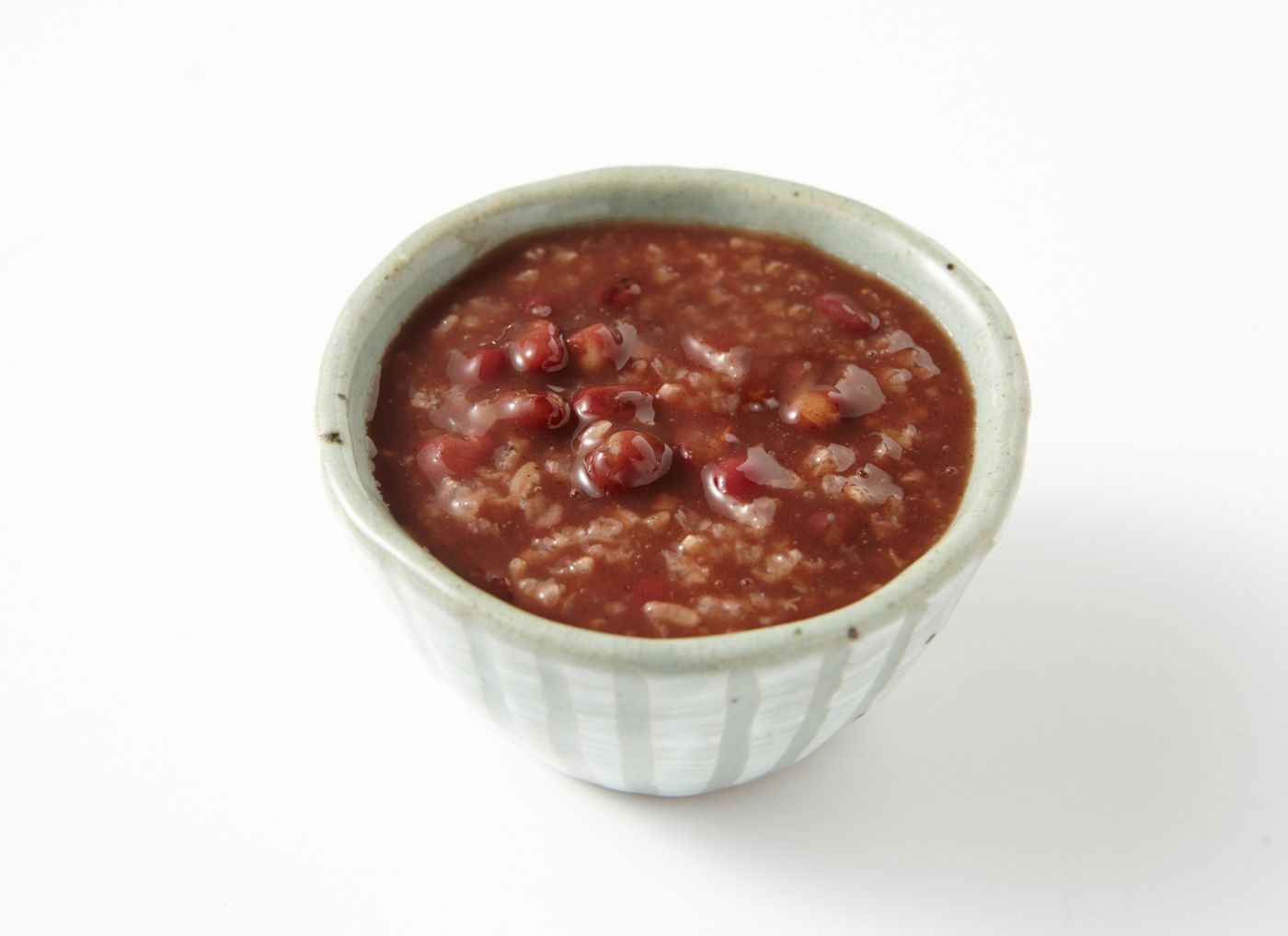 Patjuk (Red Bean Porridge)팥죽Porridge of puréed red adzuki beans and rice with chewy glutinous rice balls, eaten at the winter solstice to ward off misfortune and shared with neighbors.
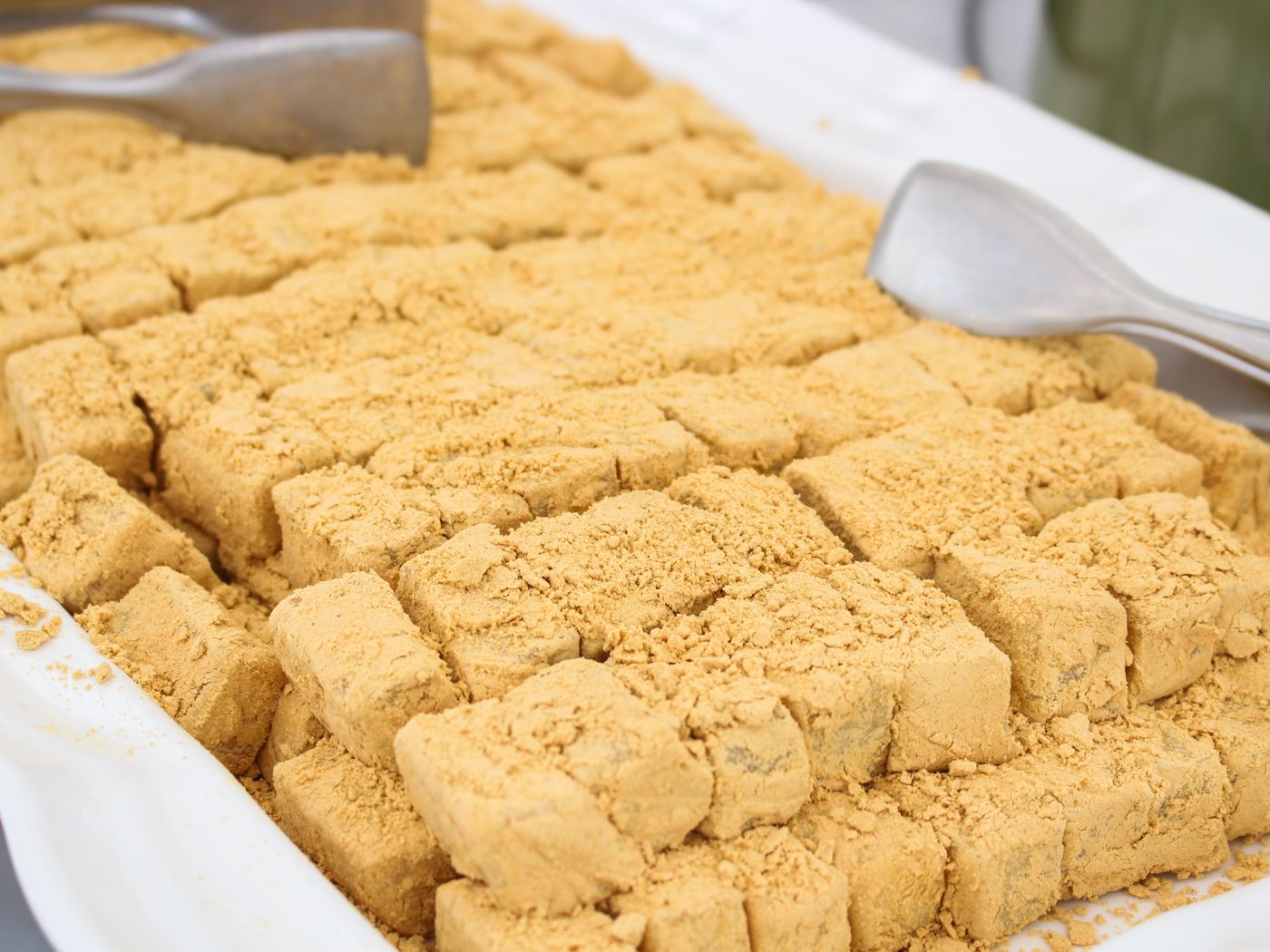 Injeolmi (Pounded Sticky Rice Cake with Bean Powder)인절미Steamed glutinous rice pounded until smooth and elastic, cut into pieces and rolled in roasted soybean powder — the chewy, nutty rice cake of markets, weddings and harvest time.
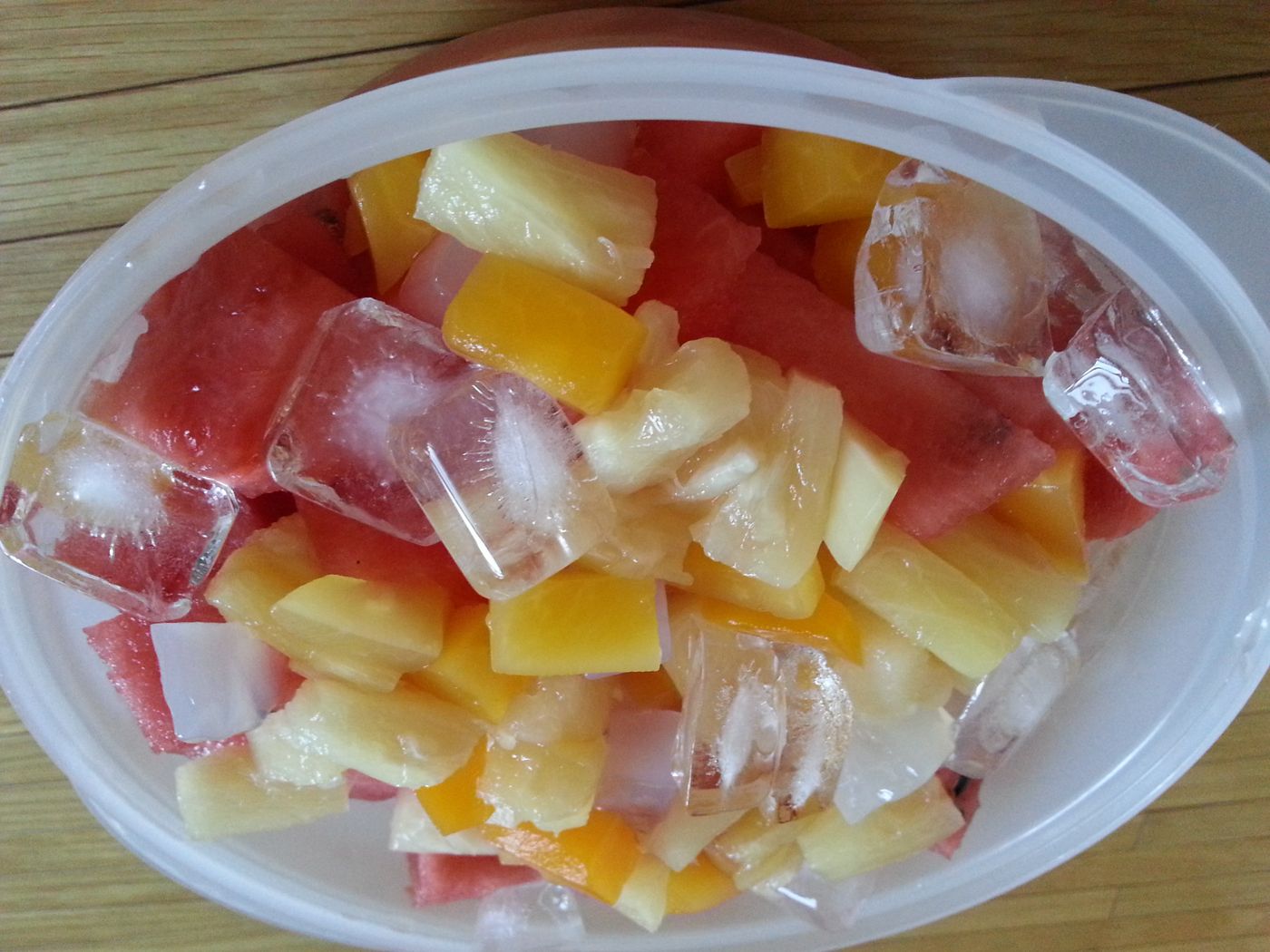 Subak-hwachae (Watermelon Punch)수박화채Scooped watermelon floating in its own sweetened juice, or in fizzy soda over ice — the most familiar member of the hwachae family of cold fruit punches.
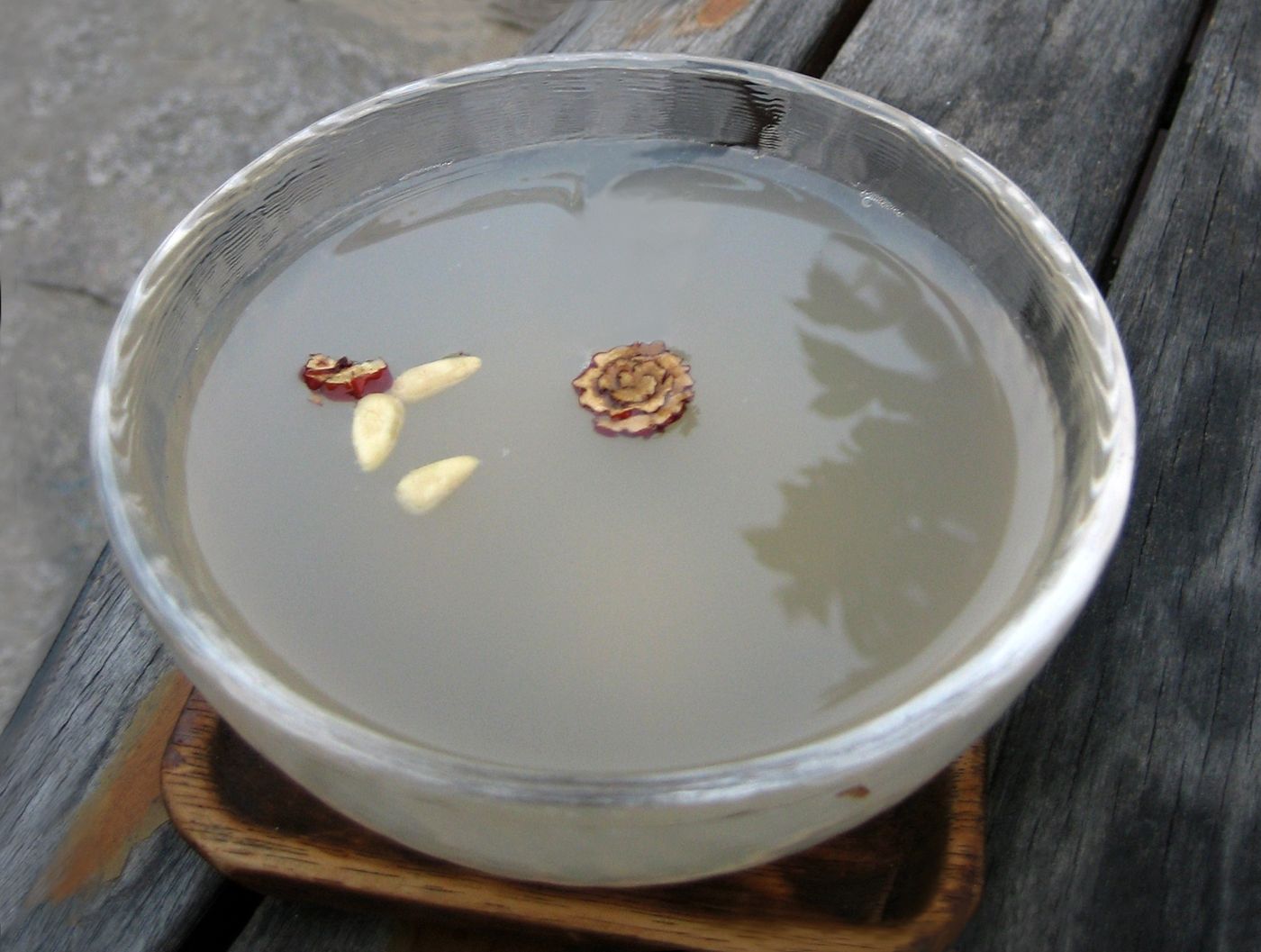 Sikhye (Sweet Malted Rice Drink)식혜Cooked rice steeped in barley-malt water until it sweetens and the grains float, then chilled — the traditional after-feast drink of Korean holidays.
Sources
- 01직접 만들어보는 팥 요리 — Hansik Reading Day Vol. 46, Korean Food Promotion Institute
- 02서빙고 (Seobinggo) — Encyclopedia of Korean Culture
- 03여름 한식의 보석, 얼음 — Hansik Reading Day, Korean Food Promotion Institute
- 04Origin of Patbingsu — Seoul Eats (2011)
- 05Korean Food Composition Table — Adzuki bean (Pat), Red, Dried
Last updated