Muchim · Dressed side dish 무침
Bugeo Muchim (Shredded Dried Pollock Salad)
북어무침
Romanization: bugeo-muchim
Shredded dried pollock softened with a splash of water and tossed in a sweet, spicy gochujang dressing — a chewy, protein-rich banchan that keeps for days.
- Serves
- 4
- Prep
- 15 min
- Cook
- 0 min
RegionGangwon
Jump to recipeRecipe
Ingredients · Serves 4
- 60 gBugeochae (shredded dried pollock)about 2 loosely packed cups
- 2 tbspGochujang
- 1 tspGochugaru
- 1 tspSoy sauce
- 1 tbspMulyeot (rice or corn syrup)
- 1 tspSugar
- 1 tspGarlicminced
- 1 tbspToasted sesame oil
- 1 tspToasted sesame seeds
Method
Technique: Yangnyeom: Seasoning Basics
Step 1: Pull the bugeochae into bite-size shreds, picking out any small bones or hard bits of skin.
Step 2: Sprinkle with 3–4 tablespoons of water, toss and leave for 5–10 minutes until just pliable. Squeeze gently; the pollock should be soft but not wet.
Step 3: Toss the shreds with the sesame oil first; this coats them so the sauce clings evenly.
Step 4: Stir together the gochujang, gochugaru, soy sauce, mulyeot, sugar and garlic.
Step 5: Add the sauce to the pollock and massage it in with your hands until every shred is coated. Finish with sesame seeds.
Step 6: Serve at once or refrigerate in an airtight container for up to a week.
Origin & History
Bugeo is Alaska pollock (myeongtae) that has been gutted and dried hard. The Encyclopedia of Korean Folk Culture explains that the name — "northern fish" — recalls that the fish was caught in the northern seas, and that it has since become the general word for dried pollock. Before the 2000s, when pollock was still landed in Korean waters, the fish were hung on wooden racks along the Gangwon coast at Goseong, Sokcho and Gangneung and dried for two to three weeks in the winter sea wind. Today most bugeo is made from imported deep-sea pollock, and more of it is dried indoors than on the shore.
The names myeongtae and bugeo first appear in the Seungjeongwon ilgi in 1652. By the nineteenth century, the scholar Yi Gyu-gyeong could write that dried pollock was sold throughout the country and eaten daily, and that even scholarly households offered it at ancestral rites. Because it kept so well, families stocked it for everyday banchan and for feeding guests. Dried pollock is still one of the standard fish offerings on the rite table.
Bugeo-muchim — dried pollock softened in water, torn into shreds and dressed with seasonings — appears in the Encyclopedia of Korean Culture's description of the royal surasang as one of the jaban (preserved, salty side dishes) on the king's table. A more refined relative is bugeo-bopuragi, flesh scraped into fluffy floss and seasoned in three colors, which the folk-culture encyclopedia describes as a favorite of elders with weak teeth. The everyday version today is made with bugeochae, ready-shredded dried pollock sold in bags.
Key Ingredients
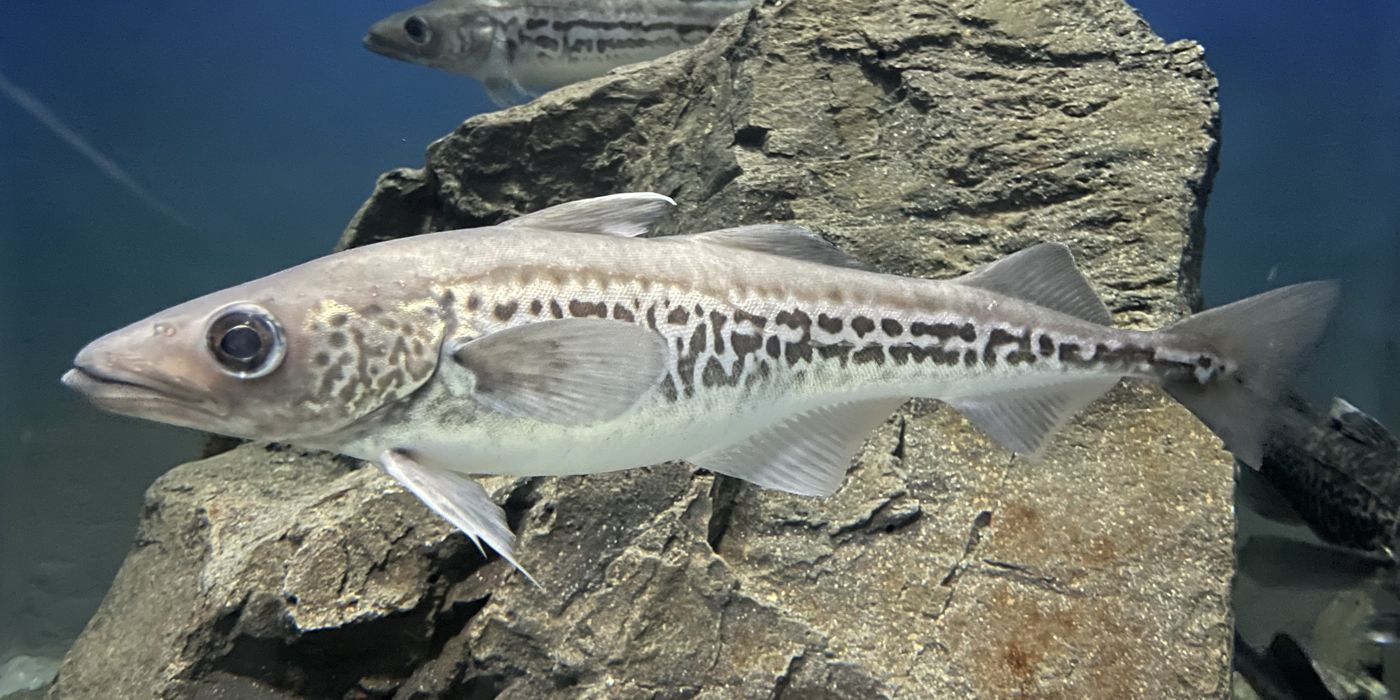 Alaska pollock (myeongtae)명태A lean, mild cold-water fish that Koreans know by a dozen names, depending on how it has been frozen, dried or salted. Dried bugeo simmers into a clear hangover soup, and its roe becomes myeongnan-jeot.
- Gochujang고추장Fermented red chili paste — sweet, savory and hot. Made from meju powder, glutinous rice, malt and gochugaru, it is a later addition to Korea's family of jang.
 Gochugaru고춧가루Korean red chili powder, made from dried red peppers ground coarse or fine. It gives kimchi, gochujang and countless banchan their color and warmth.
 Soy sauce간장Korean soy sauce, in two main kitchen forms: pale, salty guk-ganjang (soup soy sauce) brewed the traditional way from meju, and darker, sweeter jin-ganjang for braises and marinades.
 Korean grain syrup물엿A clear, glossy syrup used to sweeten and glaze braised and stir-fried banchan. Its traditional relative, jocheong, is a darker malt syrup made by slowly boiling down saccharified rice.
 Garlic마늘Used raw, minced, pickled and roasted, garlic is one of the essential aromatics of Korean food — in seasonings, marinades, kimchi and namul.
 Sesame참깨Toasted sesame seeds and sesame oil (chamgireum) finish countless Korean dishes, adding a nutty aroma and gloss.
Nutrition
| Calories | ~132 kcal |
|---|---|
| Protein | ~13.1 g |
| Fat | ~4.4 g |
| Carbohydrates | ~10.6 g |
| Fiber | ~0.8 g |
| Sodium | ~356 mg |
Notable forProtein · Calcium
Shredded dried pollock uses the Korean Food Composition Table entry “Alaska pollock, Dried, Strip” (per 100 g: 372 kcal, 82.7 g protein, 482 mg sodium, 300 mg calcium). Gochujang, soy sauce and mulyeot use Korean table values; gochugaru uses the USDA cayenne entry as a stand-in; other seasonings use USDA FoodData Central. Totals divided by four. Seasoned or salted bugeochae products would add considerably more sodium. Actual values vary with ingredients, portion size and preparation.
Health Benefits
- Concentrated protein: drying leaves pollock more than 80% protein by weight, so even a small serving supplies about 13 g of protein with little fat.
- Soft and easy to eat: the folk-culture encyclopedia notes that softened, shredded pollock was traditionally served to elders who found harder foods difficult to chew.
- Calcium: the Korean Food Composition Table lists 300 mg of calcium per 100 g of dried pollock strips.
Regional Variations
- Gochujang-dressed: the common home banchan — shreds tossed in gochujang, syrup, garlic and sesame oil, sweet and mildly spicy.
- Soy-dressed: a non-spicy version seasoned with soy sauce, sugar and sesame oil.
- Bugeo-bopuragi: floss scraped from rehydrated hwangtae and seasoned separately with salt, soy sauce and chili to make white, brown and red portions for guests' tables.
Pairings
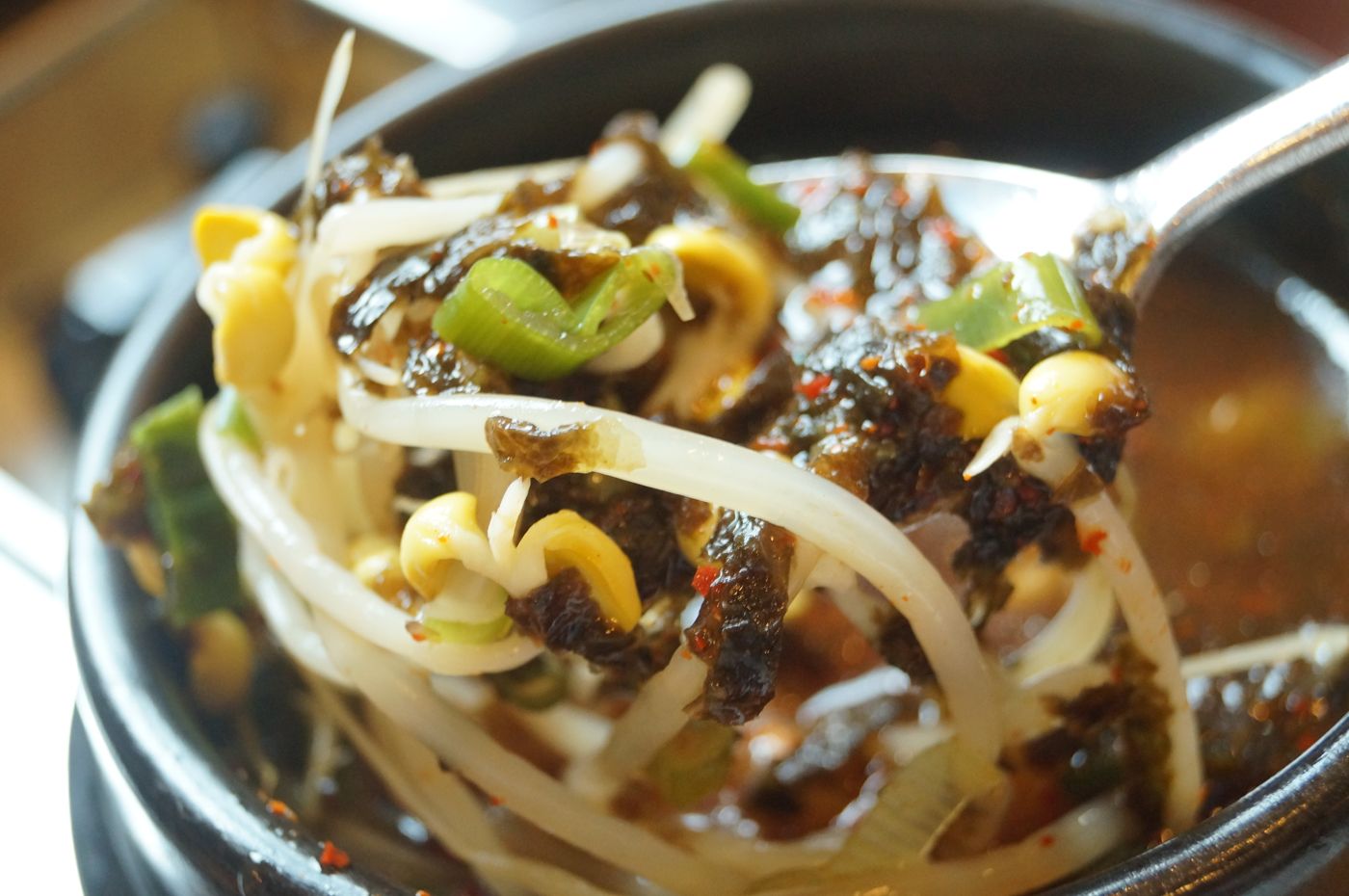 Kongnamul Guk (Soybean Sprout Soup)콩나물국A clear, light soup of soybean sprouts in anchovy-kelp stock, seasoned with salt or soup soy sauce — an everyday guk and a favorite morning-after cure.
 Gyeran Mari (Rolled Omelet)계란말이Beaten egg cooked in thin layers and rolled into a soft, striped log, then sliced — a gentle, everyday banchan and a lunchbox classic.
 Sigeumchi Namul시금치나물Spinach blanched for a few seconds, squeezed dry and dressed with garlic, soy sauce and sesame — one of the simplest and most familiar namul.
Sources
- 01북어 (Bugeo, dried pollock) — Encyclopedia of Korean Folk Culture (National Folk Museum of Korea)
- 02북어보푸라기 (Bugeo-bopuragi) — Encyclopedia of Korean Folk Culture (National Folk Museum of Korea)
- 03수라상 (Surasang) — Encyclopedia of Korean Culture
- 04북어무침 (Bugeo-muchim) — Urimalsaem (National Institute of Korean Language)
- 05Korean Food Composition Table: Alaska pollock, Dried, Strip — National Institute of Agricultural Sciences
Last updated