Bokkeum · Stir-fried 볶음
Jinmichae Bokkeum
진미채볶음
Romanization: jinmichae-bokkeum
Seasoned dried squid shreds tossed in a sweet, spicy gochujang glaze — chewy, glossy and one of the most familiar keeping banchan.
- Serves
- 6
- Prep
- 10 min
- Cook
- 5 min
Recipe
Ingredients · Serves 6
- 150 gJinmichae (seasoned dried squid shreds)long strands snipped into 5–6 cm lengths
- 2 tbspGochujang
- 1 tspGochugaru
- 1 tspSoy sauce
- 1 tbspSugar
- 2 tbspMulyeot (rice or corn syrup)
- 1 cloveGarlicminced
- 1 tbspNeutral cooking oil
- 2 tbspWater
- 1 tspToasted sesame oil
- 1 tspToasted sesame seeds
Method
Technique: Bokkeum: Korean Stir-Frying
Step 1: Shake the squid shreds in a sieve to remove loose bits, then rinse briefly under cold water (or soak for 1–2 minutes if very dry) and squeeze out the water. This softens them and removes some of the surface salt.
Step 2: Put the oil, gochujang, gochugaru, soy sauce, sugar, half the syrup, garlic and water in a wide pan. Heat over low heat, stirring, until the sauce bubbles and the sugar dissolves — about 1 minute.
Step 3: Turn off the heat and add the squid shreds. Toss thoroughly with chopsticks or gloved hands so every strand is coated; working off the heat keeps the shreds from hardening.
Step 4: Add the remaining syrup, the sesame oil and sesame seeds and toss again.
Step 5: Cool and store in an airtight container in the refrigerator.
Origin & History
Jinmichae means roughly "delicacy shreds" (jinmi, 珍味, plus chae, strips). The Standard Korean Language Dictionary defines it as squid that has been skinned, seasoned with salt, sugar and similar ingredients, dried and then torn into fine shreds. It is softer, paler and sweeter than plain dried squid, and in everyday speech it overlaps with ojingeochae, shredded squid.
Dried squid is a familiar pantry food in Korea. Seasoned shreds are a processed form of it that eats like a chewy snack and also makes an easy base for side dishes.
Stir-fried or tossed in a gochujang and syrup sauce, the shreds become a mitbanchan — a side dish made ahead and eaten straight from the refrigerator. The Encyclopedia of Korean Culture names dressed squid shreds (ojingeochae-muchim) among the representative dishes of this keeping category.
Key Ingredients
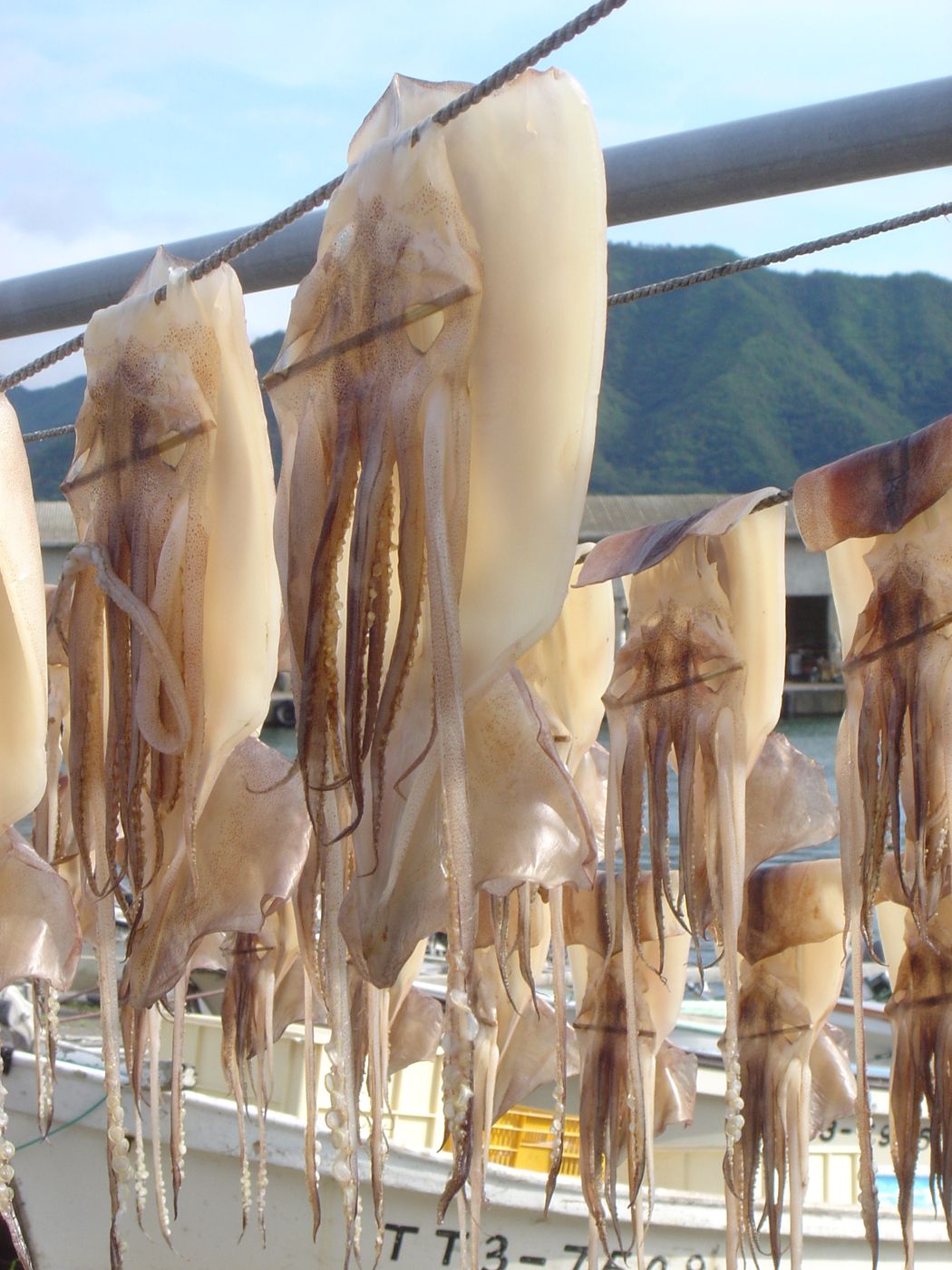 Squid오징어Fresh squid for stir-fries, pancakes and stuffed ojingeo-sundae, and dried squid — whole, sun-cured bodies or sweet-salty shredded jinmichae — that has become one of Korea's best-loved pantry foods.
- Gochujang고추장Fermented red chili paste — sweet, savory and hot. Made from meju powder, glutinous rice, malt and gochugaru, it is a later addition to Korea's family of jang.
 Gochugaru고춧가루Korean red chili powder, made from dried red peppers ground coarse or fine. It gives kimchi, gochujang and countless banchan their color and warmth.
 Soy sauce간장Korean soy sauce, in two main kitchen forms: pale, salty guk-ganjang (soup soy sauce) brewed the traditional way from meju, and darker, sweeter jin-ganjang for braises and marinades.
 Korean grain syrup물엿A clear, glossy syrup used to sweeten and glaze braised and stir-fried banchan. Its traditional relative, jocheong, is a darker malt syrup made by slowly boiling down saccharified rice.
 Garlic마늘Used raw, minced, pickled and roasted, garlic is one of the essential aromatics of Korean food — in seasonings, marinades, kimchi and namul.
 Sesame참깨Toasted sesame seeds and sesame oil (chamgireum) finish countless Korean dishes, adding a nutty aroma and gloss.
Nutrition
| Calories | ~140 kcal |
|---|---|
| Protein | ~9.8 g |
| Fat | ~3.7 g |
| Carbohydrates | ~16.9 g |
| Fiber | ~0.5 g |
| Sodium | ~335 mg |
Notable forProtein · Selenium
Estimated by summing ingredient values and dividing by six servings. Jinmichae: Korean Food Composition Table entry 진미채 (via the MFDS K-FIND database; 529 mg sodium per 100 g); gochujang: Korean table entry 고추장, 개량; soy sauce: USDA FDC 174277; corn syrup, light: FDC 168837; gochugaru approximated with red pepper, FDC 170932; oil, sugar, garlic and sesame from USDA. Sodium in seasoned squid varies a lot by brand — U.S. label data for similar shredded squid list over three times as much — so check the package. The MFDS analysis of prepared squid-shred stir-fry (275 kcal and 975 mg sodium per 100 g) is in a similar range. Actual values vary with ingredients, portion size and preparation.
Health Benefits
- Squid is a lean source of protein, and the dried shreds concentrate it — a small serving provides a meaningful amount.
- Squid is a good source of selenium.
- The FDA and EPA list squid among the "Best Choices" for low mercury in their fish advice.
Regional Variations
- Red or white: the familiar version is glazed with gochujang and gochugaru; a "white" version uses soy sauce, garlic and syrup only, which children often prefer.
- Stir-fried or dressed: some cooks toss the shreds in a sauce that has been briefly cooked and cooled (closer to ojingeochae-muchim), while others stir-fry them in the pan with the sauce.
- Softening tricks: a quick rinse or steam keeps the shreds tender, and many modern recipes toss them with a spoonful of mayonnaise before glazing.
Pairings
 Myeolchi Bokkeum멸치볶음Small dried anchovies stir-fried until crisp, then glazed in a sweet soy and garlic syrup — a keeping banchan found in refrigerators across Korea.
 Gyeran Mari (Rolled Omelet)계란말이Beaten egg cooked in thin layers and rolled into a soft, striped log, then sliced — a gentle, everyday banchan and a lunchbox classic.
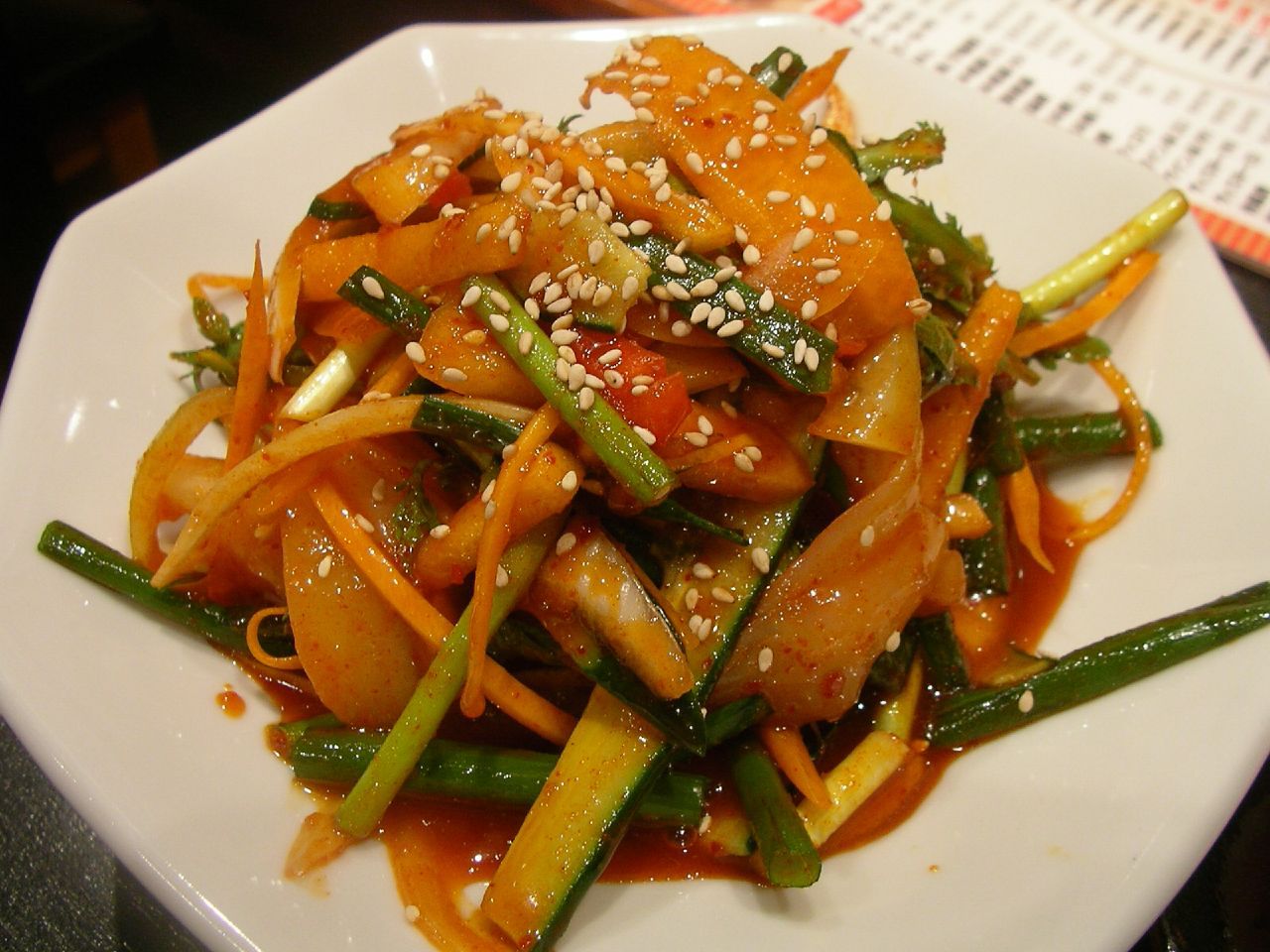 Oi Muchim오이무침Thin-sliced cucumber, briefly salted and tossed with chili flakes, vinegar and garlic — a cool, crunchy quick salad made in minutes, especially in summer.
Sources
- 01진미채 (Jinmichae) — Standard Korean Language Dictionary, National Institute of Korean Language
- 02밑반찬 (Mitbanchan, keeping side dishes) — Encyclopedia of Korean Culture
- 03진미채 (Seasoned dried squid shreds) — MFDS K-FIND / Korean Food Composition Table
- 04오징어채볶음 (Stir-fried squid shreds, prepared dish) — MFDS K-FIND food composition database
- 05Advice about Eating Fish — U.S. Food and Drug Administration
- 06Sodium reduction — World Health Organization fact sheet
Last updated