Jorim · Braised 조림
Ueong Jorim
우엉조림
Romanization: ueong-jorim
Thin strips of burdock root braised in soy sauce and glazed with syrup until chewy and dark — an earthy, sweet-salty keeping banchan.
- Serves
- 6
- Prep
- 20 min
- Cook
- 25 min
Recipe
Ingredients · Serves 6
- 300 gBurdock rootabout 2 roots, scrubbed or lightly scraped, cut into 5 cm matchsticks
- 1 tbspVinegarfor the soaking water
- 1 tbspNeutral cooking oil
- 200 mlWater
- 3 tbspSoy sauce
- 1 tbspSugar
- 2 tbspMulyeot (rice or corn syrup)
- 1 tspToasted sesame oil
- 1 tspToasted sesame seeds
Method
Technique: Jorim: Braising in Seasoned Liquid
Step 1: Scrub the burdock well and scrape the thin skin lightly with the back of a knife rather than peeling deeply. Cut into matchsticks and drop them straight into a bowl of cold water with the vinegar to prevent browning. Soak 10 minutes, then drain.
Step 2: Heat the oil in a wide pan over medium heat and stir-fry the burdock for 3–4 minutes, until it smells nutty and the strips start to soften.
Step 3: Add the water, soy sauce and sugar. Bring to a boil, then simmer over medium-low heat for 12–15 minutes, stirring occasionally, until the burdock is tender but still chewy and most of the liquid has evaporated.
Step 4: Add the syrup and toss over medium heat for 2–3 minutes, until the strips are glossy and the pan is nearly dry.
Step 5: Turn off the heat and stir in the sesame oil and sesame seeds. Serve at room temperature or chilled.
Origin & History
Burdock (ueong, Arctium lappa) is a biennial plant of the daisy family grown for its long taproot, which reaches 30–60 cm into the soil. Its original homeland is uncertain, but the Encyclopedia of Korean Culture notes it has long been cultivated in China, and today it is grown across Korea, especially in the southern provinces. Korea, China and Japan all use it as a vegetable, prized for its distinctive aroma.
The encyclopedia names the two classic Korean preparations: tucking the root into doenjang to make a jangajji pickle, or braising it with soy sauce and sugar as a side dish. The seeds have a separate history as a medicinal ingredient in traditional herbal practice.
Ueong-jorim applies the jorim method — simmering in seasoned liquid until the sauce cooks down — to a fibrous root that can stand up to a long braise. The strips turn deep brown and pleasantly chewy, and like other soy-braised roots, the dish keeps well in the refrigerator, which is why it is made in batches as a mitbanchan.
Key Ingredients
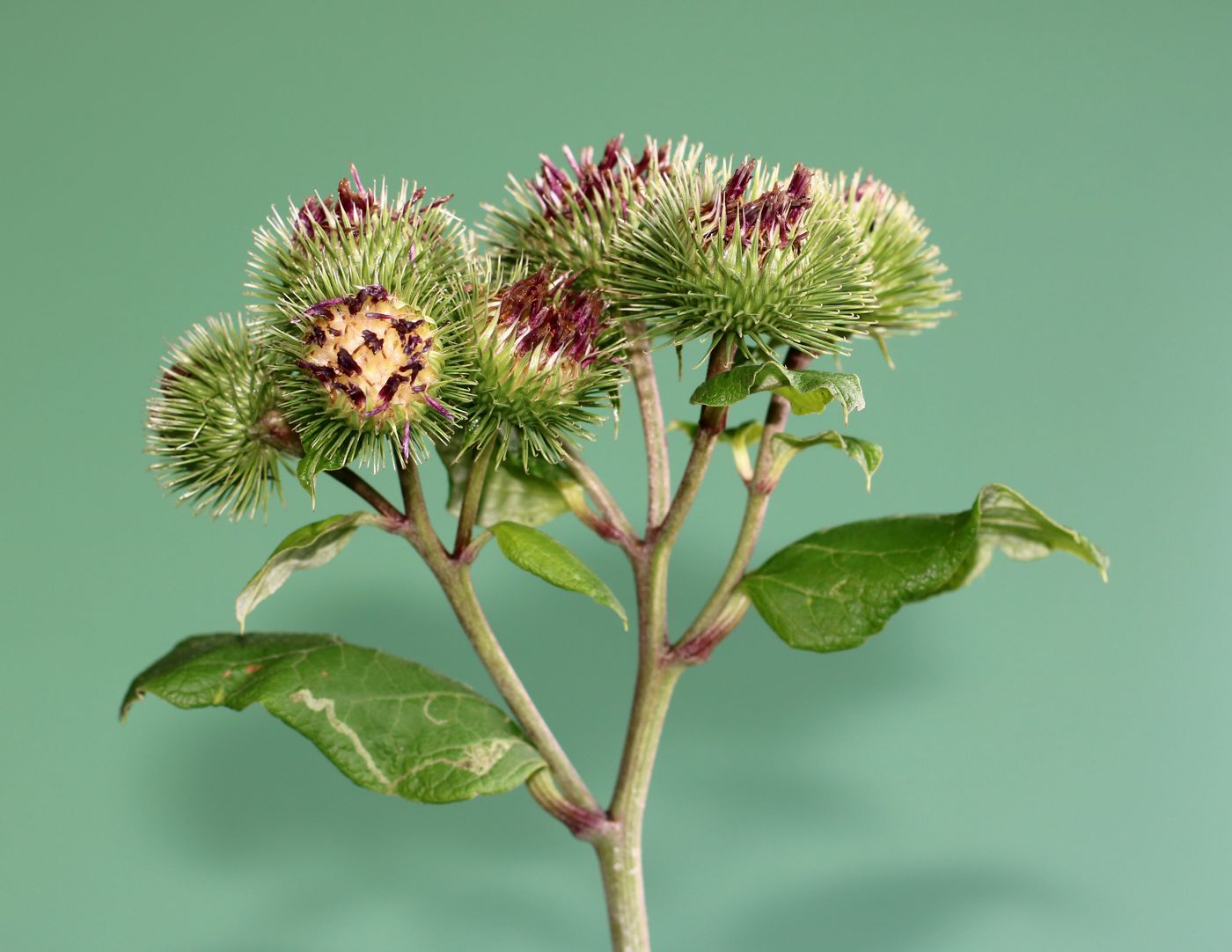 Burdock root우엉A long, slender, earthy root with brown skin and pale flesh. Julienned and braised in soy sauce and syrup, it becomes the sweet, chewy, glossy ueong-jorim.
 Soy sauce간장Korean soy sauce, in two main kitchen forms: pale, salty guk-ganjang (soup soy sauce) brewed the traditional way from meju, and darker, sweeter jin-ganjang for braises and marinades.
 Korean grain syrup물엿A clear, glossy syrup used to sweeten and glaze braised and stir-fried banchan. Its traditional relative, jocheong, is a darker malt syrup made by slowly boiling down saccharified rice.
 Sesame참깨Toasted sesame seeds and sesame oil (chamgireum) finish countless Korean dishes, adding a nutty aroma and gloss.
Nutrition
| Calories | ~97 kcal |
|---|---|
| Protein | ~1.5 g |
| Fat | ~3.4 g |
| Carbohydrates | ~16.4 g |
| Fiber | ~1.8 g |
| Sodium | ~445 mg |
Notable forFiber · Potassium
Estimated by summing USDA FoodData Central values for the raw ingredients (burdock root, raw, FDC 169974; soy sauce, FDC 174277; corn syrup, light, FDC 168837; oil, sugar, sesame oil and sesame seeds) and dividing by six servings, assuming the braising liquid is fully absorbed. The Korean MFDS analysis of prepared ueong-jorim (188 kcal and 1,174 mg sodium per 100 g) is somewhat sweeter and saltier than this home recipe. Actual values vary with ingredients, portion size and preparation.
Health Benefits
- Burdock root is a source of dietary fiber, including the soluble fiber inulin, and supplies potassium and magnesium.
- The root also contains polyphenols such as chlorogenic acid; laboratory interest in these compounds is ongoing, but effects from eating the cooked vegetable are not established.
- In traditional East Asian medicine burdock seed has been used as a remedy; this is a traditional use rather than a proven benefit of the dish.
Regional Variations
- Cut: most cooks cut burdock into thin matchsticks, but slanted coins or thicker batons give a meatier, chewier bite.
- Glaze: the finish ranges from lightly seasoned to very glossy and sweet with mulyeot, rice syrup or honey.
- Pickled burdock: a related preparation preserves the root in doenjang or soy sauce as jangajji rather than braising it.
- With lotus root: burdock is often braised alongside or in the same style as yeongeun-jorim.
Pairings
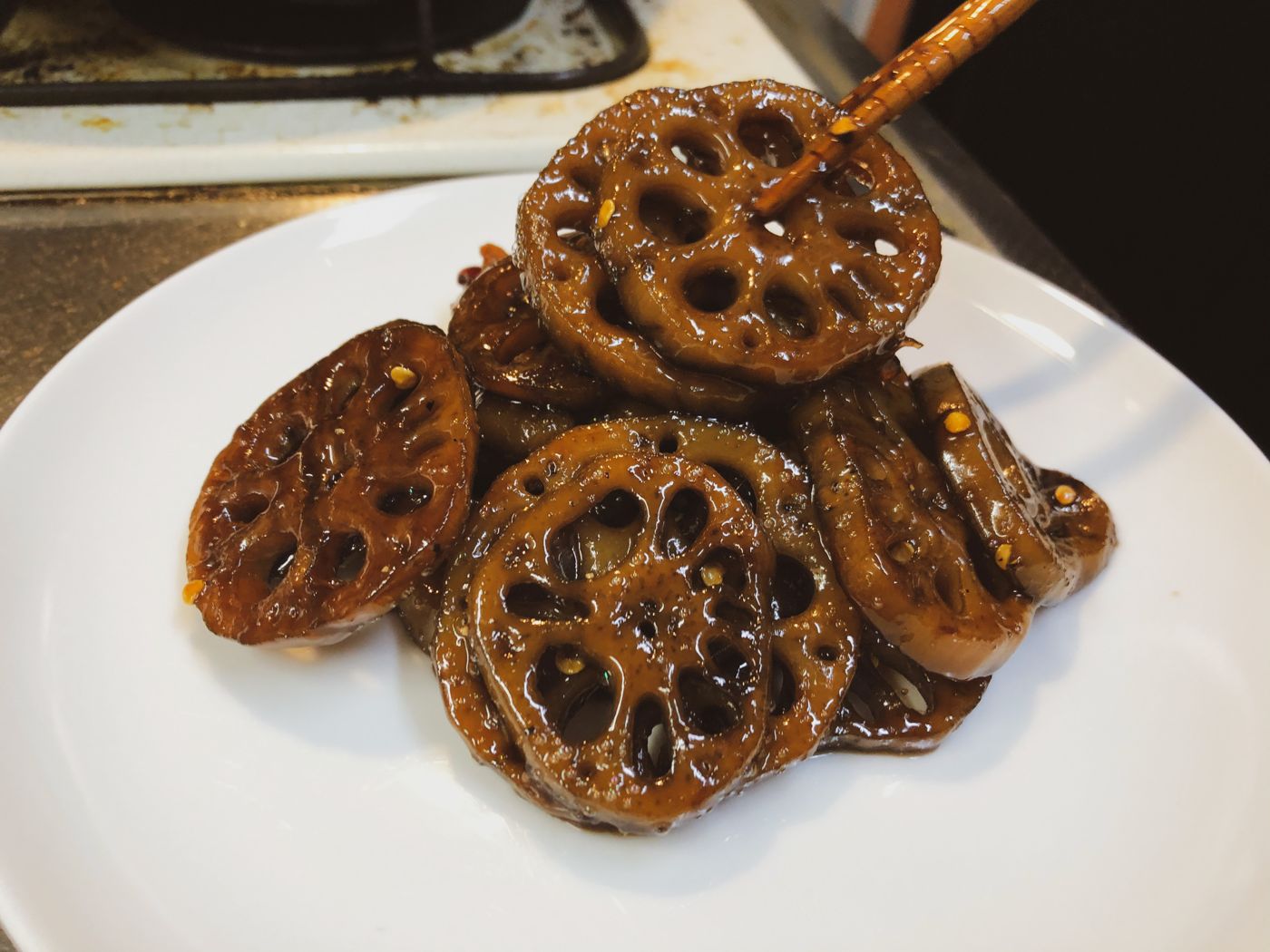 Yeongeun Jorim연근조림Rounds of lotus root simmered in soy sauce and glazed with syrup until glossy and pleasantly chewy, with a crisp bite and lace-like pattern of holes.
 Gyeran Mari (Rolled Omelet)계란말이Beaten egg cooked in thin layers and rolled into a soft, striped log, then sliced — a gentle, everyday banchan and a lunchbox classic.
 Sigeumchi Namul시금치나물Spinach blanched for a few seconds, squeezed dry and dressed with garlic, soy sauce and sesame — one of the simplest and most familiar namul.
Sources
- 01우엉 (Burdock) — Encyclopedia of Korean Culture
- 02조림 (Jorim) — Encyclopedia of Korean Culture
- 03Burdock root, raw (FDC 169974) — USDA FoodData Central
- 04Assessment of Ethanolic Extraction of Chlorogenic Acid, Cynarin, and Polyphenols from Burdock (Arctium lappa L.) Roots Under Ultrasound — Molecules, 2024 (PubMed 39519756)
- 05우엉조림 (Braised burdock, prepared dish) — MFDS K-FIND food composition database
- 06Sodium reduction — World Health Organization fact sheet
Last updated