Bokkeum · Stir-fried 볶음
Gamjachae Bokkeum
감자채볶음
Romanization: gamjachae-bokkeum
Thin matchsticks of potato stir-fried with onion and carrot and seasoned simply with salt and sesame — tender-crisp, mild and endlessly familiar.
- Serves
- 4
- Prep
- 15 min
- Cook
- 10 min
Recipe
Ingredients · Serves 4
- 400 gPotatoes2 medium, peeled and cut into 3 mm matchsticks
- ¼ mediumOnionabout 50 g, thinly sliced
- 40 gCarrotcut into thin matchsticks
- 2 tbspNeutral cooking oil
- ½ tspSaltor to taste
- 1 tspToasted sesame seeds
- 1 stalkGreen onionchopped; optional, not included in the nutrition estimate
Method
Technique: Bokkeum: Korean Stir-Frying
Step 1: Soak the potato matchsticks in cold water for about 10 minutes, rinsing until the water runs fairly clear. This removes surface starch so the strands do not stick together. Drain and pat dry thoroughly.
Step 2: Heat the oil in a wide pan over medium heat. Add the potatoes and stir-fry for 3–4 minutes, until the edges turn translucent.
Step 3: Add the onion, carrot and salt. Stir-fry for 3–4 minutes more, until the potatoes are just tender but still hold their shape. If they begin to stick, add 1–2 tablespoons of water rather than more oil.
Step 4: Taste and adjust the salt. Turn off the heat and toss with the sesame seeds and green onion, if using. Serve warm or at room temperature.
Origin & History
The potato is a relatively late arrival in Korea. The nineteenth-century scholar Yi Gyu-gyeong dated its introduction to about 1824–1825, roughly sixty years after the sweet potato, and recorded that it came overland through China and Manchuria into the northern part of the peninsula. Early names such as bukjeo and bukgamjeo — "northern tuber" — reflect that route.
Where gamja-jorim braises chunks of potato in soy sauce, gamjachae-bokkeum cuts the potato into fine matchsticks (chae) and stir-fries them quickly in oil. Seasoning is usually just salt, so the dish stays pale and the potato's own flavor comes through, with onion and carrot for sweetness and color.
Inexpensive, quick and mild, it suits everyday meals and is equally good warm or at room temperature, which makes it an easy dish to keep on hand.
Key Ingredients
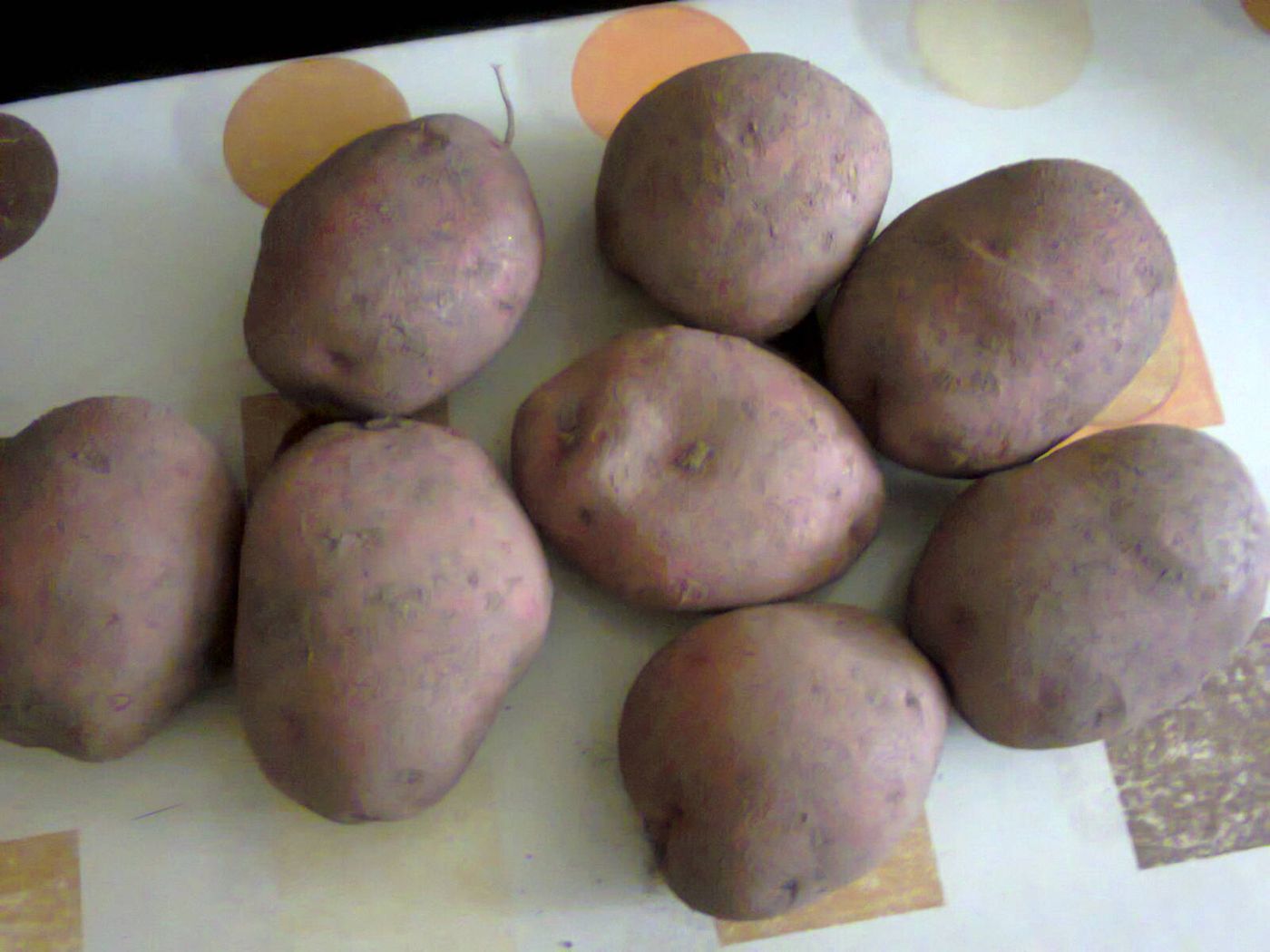 Potato감자A relatively recent arrival that became a mainstay of the mountain provinces. Braised in soy sauce as gamja-jorim, stir-fried in fine matchsticks, grated into crisp gamja-jeon and simmered in countless soups.
 Sesame참깨Toasted sesame seeds and sesame oil (chamgireum) finish countless Korean dishes, adding a nutty aroma and gloss.
Nutrition
| Calories | ~150 kcal |
|---|---|
| Protein | ~2.4 g |
| Fat | ~7.5 g |
| Carbohydrates | ~19.8 g |
| Fiber | ~2.7 g |
| Sodium | ~305 mg |
Notable forPotassium · Vitamin C · Vitamin B6
Estimated by summing USDA FoodData Central values for the raw ingredients (potatoes, flesh and skin, raw, FDC 170026; onion, FDC 170000; carrot, FDC 170393; canola oil, FDC 172336; salt, table, FDC 173468; sesame seeds, FDC 170151) and dividing by four servings, assuming all the oil is absorbed. Peeling and cooking reduce the vitamin C and potassium somewhat. The MFDS analysis of prepared potato stir-fry (100 kcal and 318 mg sodium per 100 g) is in a similar range. Actual values vary with ingredients, portion size and preparation.
Health Benefits
- Potatoes are a source of potassium, vitamin C and vitamin B6, along with filling, starchy carbohydrate.
- Onion and carrot add color, fiber and carotenoids.
- Seasoned with salt alone rather than soy sauce and syrup, this is one of the lower-sugar banchan.
Regional Variations
- Crisp or soft: rinsing the cut potato to remove surface starch and cooking it briefly keeps the strands separate and slightly crisp; a lid and a splash of water give a softer result.
- Add-ins: onion, carrot, green bell pepper or green chili are common; ham or sausage strips are a popular modern addition.
- Seasoning: salt is the classic seasoning; some cooks use a little soy sauce, or finish with black pepper or gochugaru.
Pairings
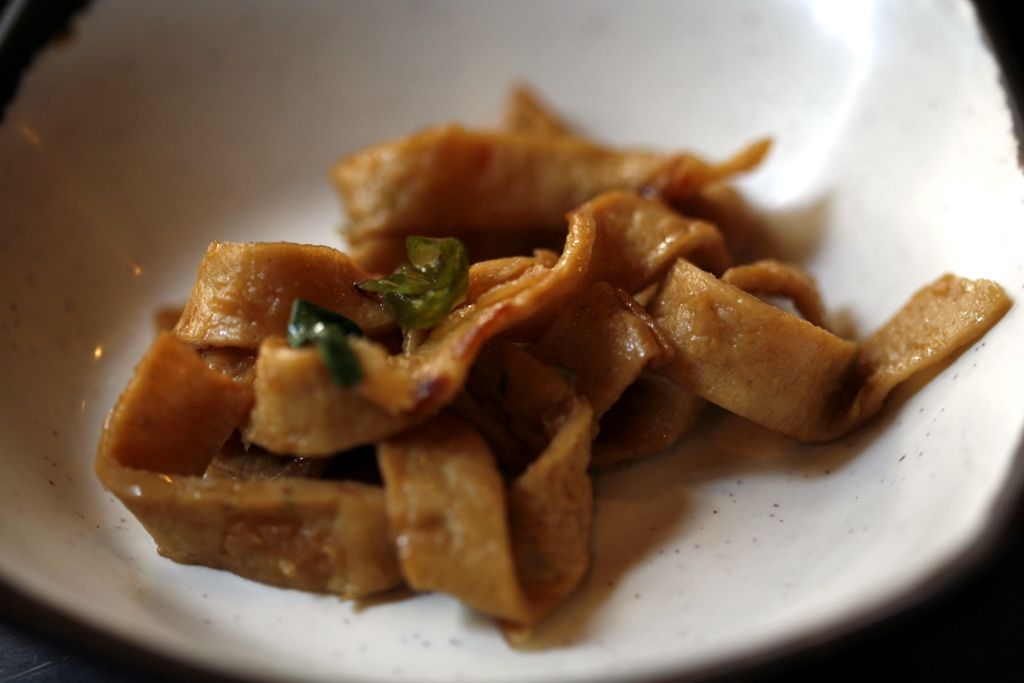 Eomuk Bokkeum어묵볶음Strips of Korean fish cake stir-fried with onion and carrot in a light soy glaze — quick, savory-sweet and one of the most familiar everyday banchan.
 Gyeran Mari (Rolled Omelet)계란말이Beaten egg cooked in thin layers and rolled into a soft, striped log, then sliced — a gentle, everyday banchan and a lunchbox classic.
 Kongnamul Muchim콩나물무침Soybean sprouts cooked under a lid until just tender, then tossed with garlic, green onion and sesame oil — crisp, nutty and on tables across Korea.
Sources
- 01조선 후기에 새로 들어온 채소 (Vegetables newly introduced in late Joseon) — Korean History Online, National Institute of Korean History
- 02Potatoes, flesh and skin, raw (FDC 170026) — USDA FoodData Central
- 03감자볶음 (Stir-fried potatoes, prepared dish) — MFDS K-FIND food composition database
- 04Sodium reduction — World Health Organization fact sheet
Last updated