Muchim · Dressed side dish 무침
Buchu Muchim
부추무침
Romanization: buchu-muchim
Raw Korean chives tossed with soy sauce, chili flakes, vinegar and sesame — a pungent, garlicky salad that cuts through grilled meat and rich soups.
- Serves
- 4
- Prep
- 10 min
- Cook
- 0 min
Recipe
Ingredients · Serves 4
- 150 gKorean chives (buchu)washed and dried well
- 40 gOnionabout ¼ small onion, thinly sliced (optional)
- 1 tbspSoy sauceor 2 tsp anchovy fish sauce
- 2 tspGochugaru
- 2 tspRice or apple vinegar
- 1 tspSugar
- 1 tspToasted sesame oil
- 1 tspToasted sesame seeds
Method
Step 1: Trim any wilted tips and the root ends from the chives. Wash, then shake and pat completely dry — wet chives make a watery dressing.
Step 2: Cut the chives into 4–5 cm lengths and put them in a wide bowl with the onion, if using.
Step 3: In a small bowl, stir together the soy sauce, gochugaru, vinegar and sugar until the sugar dissolves.
Step 4: Just before serving, pour the dressing over the chives and toss lightly with your fingertips. Handle them gently; bruised chives turn bitter and grassy.
Step 5: Add the sesame oil and sesame seeds, toss once more and serve immediately.
Origin & History
Buchu is garlic chive (Allium tuberosum), a hardy perennial with flat, narrow leaves and a garlicky aroma. It is native to China, where it appears in the sixth-century agricultural treatise Qimin yaoshu, and it probably reached Korea during the Three Kingdoms period; its earliest mention in a Korean text is in the Goryeo-era medical book Hyangyak gugeupbang. It goes by several regional names, including jeongguji and sol.
Korean cooks use buchu raw, briefly blanched, pan-fried in pancakes and stir-fried, and it has long been a favorite ingredient for kimchi and for stuffing oi-sobagi. In traditional thinking it was considered warming and strengthening for the stomach, which is why it also had medicinal uses.
Because the plant regrows after cutting, chives can be harvested repeatedly from spring into autumn. Buchu-muchim — the leaves simply cut and dressed raw — is among the quickest ways to enjoy them.
Key Ingredients
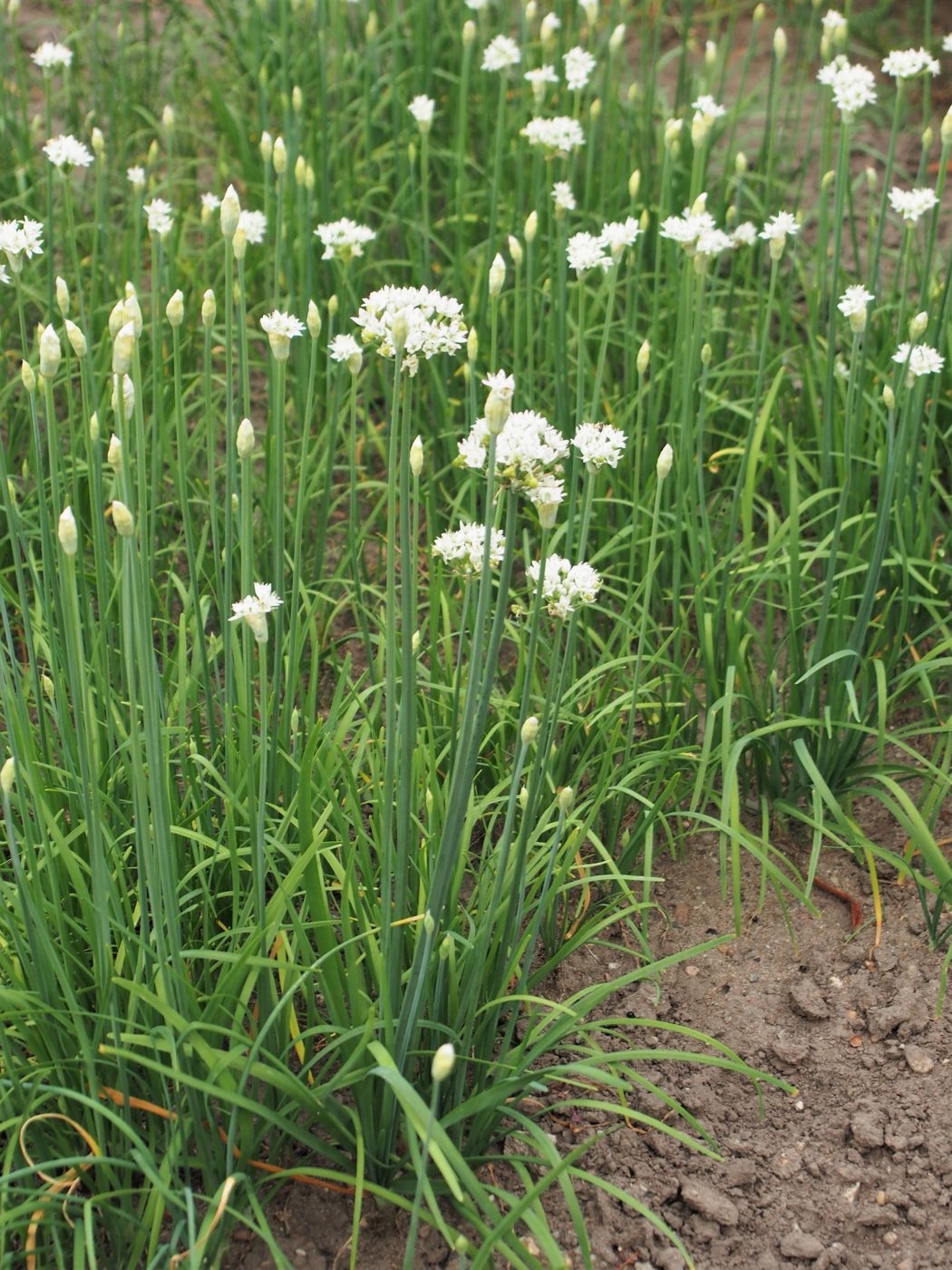 Garlic chives (buchu)부추Flat-leaved garlic chives with a bright, garlicky perfume. Tossed raw into buchu-muchim, folded into savory pancakes and tucked into cucumber kimchi.
 Soy sauce간장Korean soy sauce, in two main kitchen forms: pale, salty guk-ganjang (soup soy sauce) brewed the traditional way from meju, and darker, sweeter jin-ganjang for braises and marinades.
 Gochugaru고춧가루Korean red chili powder, made from dried red peppers ground coarse or fine. It gives kimchi, gochujang and countless banchan their color and warmth.
 Sesame참깨Toasted sesame seeds and sesame oil (chamgireum) finish countless Korean dishes, adding a nutty aroma and gloss.
Nutrition
| Calories | ~36 kcal |
|---|---|
| Protein | ~1.3 g |
| Fat | ~1.7 g |
| Carbohydrates | ~4.6 g |
| Fiber | ~1.2 g |
| Sodium | ~220 mg |
Notable forVitamin K · Vitamin A (as carotenoids)
Estimated from the Korean Food Composition Table values for raw Korean chives (solbuchu) and red pepper powder, plus USDA FoodData Central values for onion, soy sauce, vinegar, sugar, sesame oil and sesame seeds, divided by four. Actual values vary with ingredients, portion size and preparation.
Health Benefits
- Green-leaf nutrients: chives are a source of vitamin K and carotenoids (which the body can convert to vitamin A).
- Eaten raw: dressing chives raw preserves their vitamin C and pungent aroma.
- Traditional associations: in Korean tradition buchu was believed to warm the body and strengthen the stomach — a cultural belief rather than an established health effect.
Regional Variations
- Soy or fish sauce: some cooks dress the chives with soy sauce, others with anchovy fish sauce for a deeper, more kimchi-like flavor.
- With onion: thinly sliced onion is often added for sweetness and crunch.
- Different chives: several types are grown in Korea, from short, slender native chives such as solbuchu to longer, broader cultivated varieties; any of them can be used.
Pairings
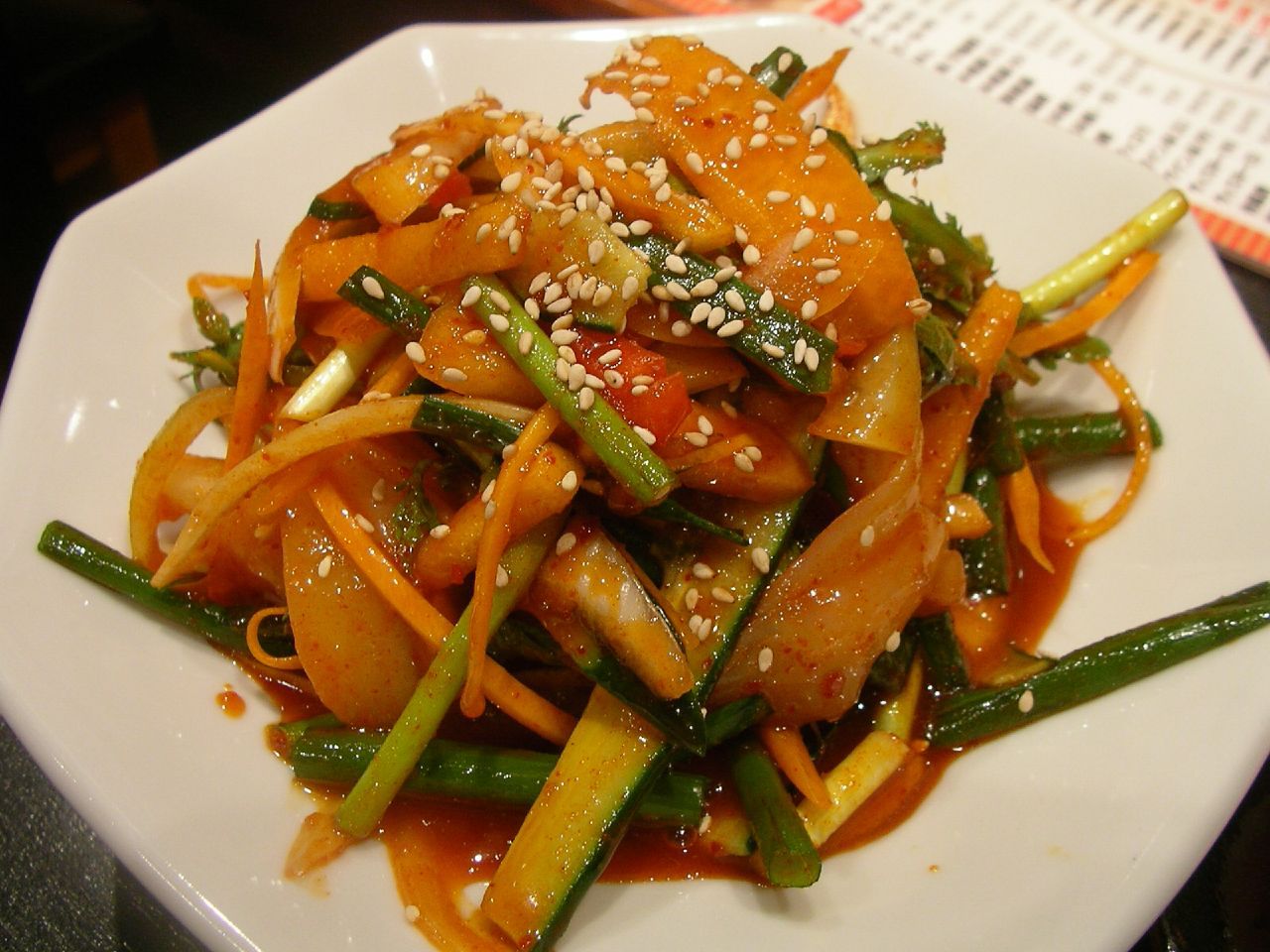 Oi Muchim오이무침Thin-sliced cucumber, briefly salted and tossed with chili flakes, vinegar and garlic — a cool, crunchy quick salad made in minutes, especially in summer.
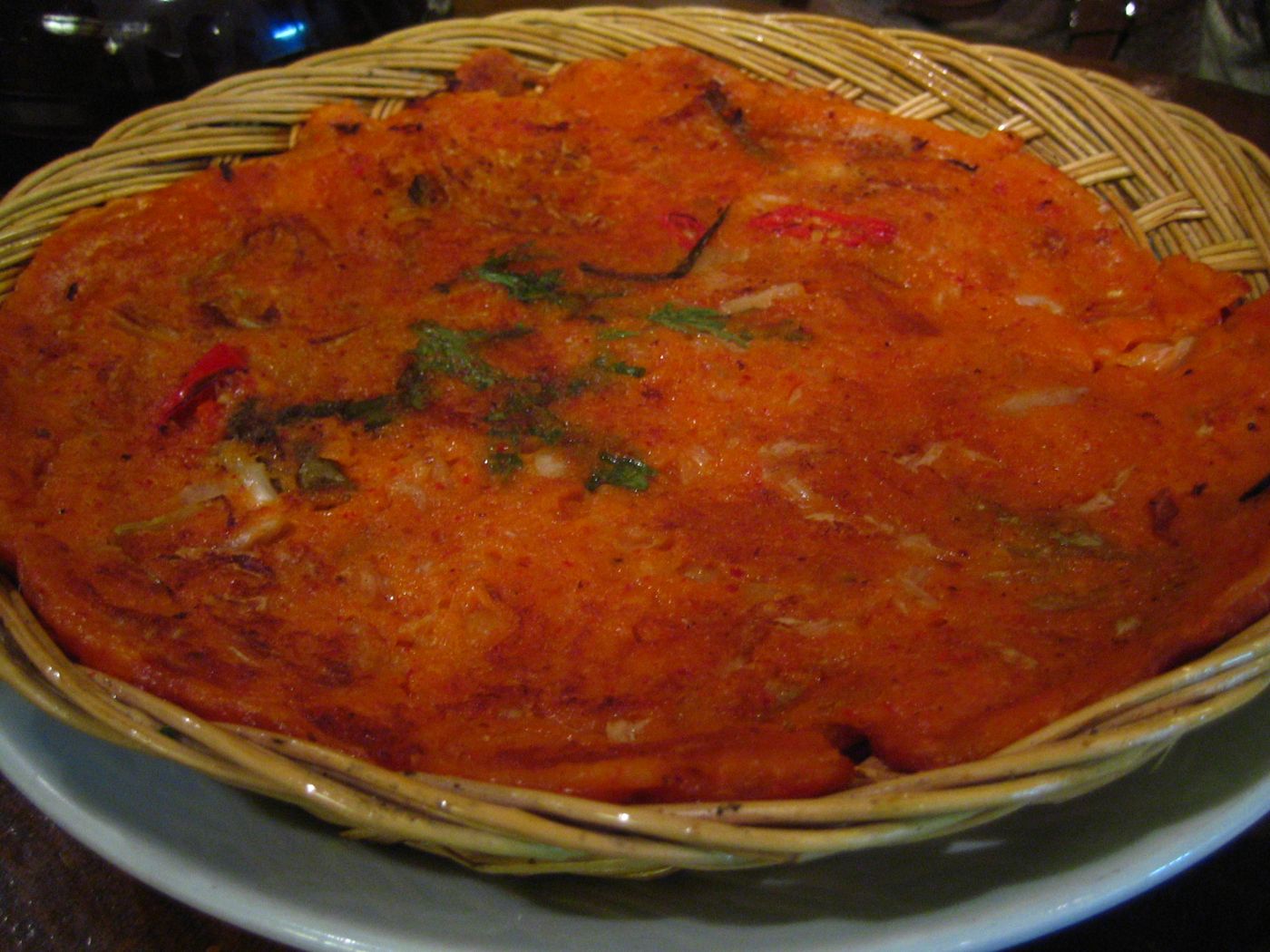 Kimchi Jeon (Kimchi Pancake)김치전Chopped, well-fermented kimchi folded into a thin flour batter and pan-fried until crisp at the edges — tangy, savory and quick to make.
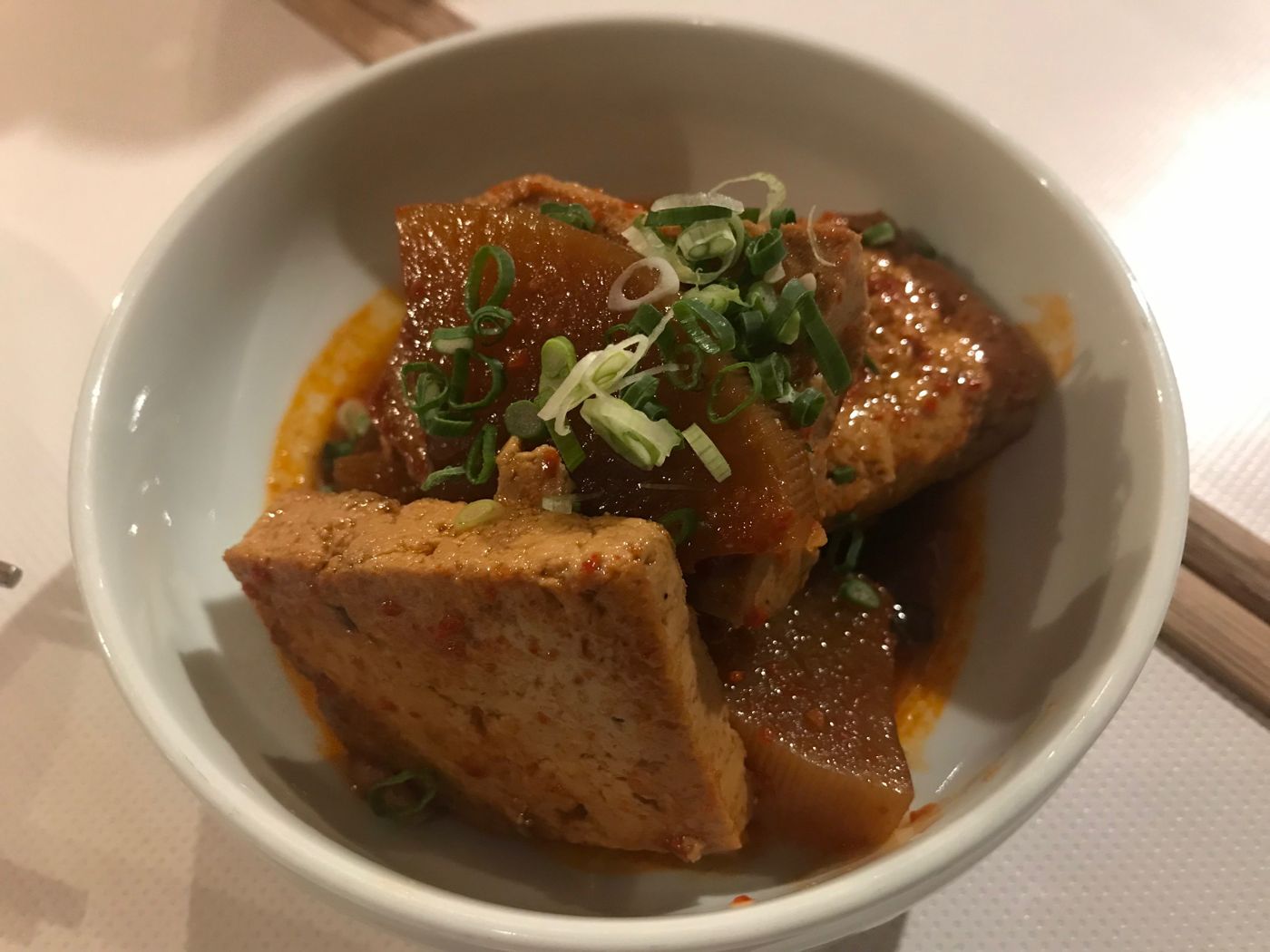 Dubu Jorim두부조림Slices of firm tofu pan-fried until golden, then simmered in a garlicky soy and chili sauce — an inexpensive, protein-rich staple of Korean home cooking.