Beauty
Mugwort in Korean Beauty
쑥
Spring rice cakes and soups, baths, and now essences and masks: how mugwort moved from the Korean table to skincare, and why a ragweed allergy matters.
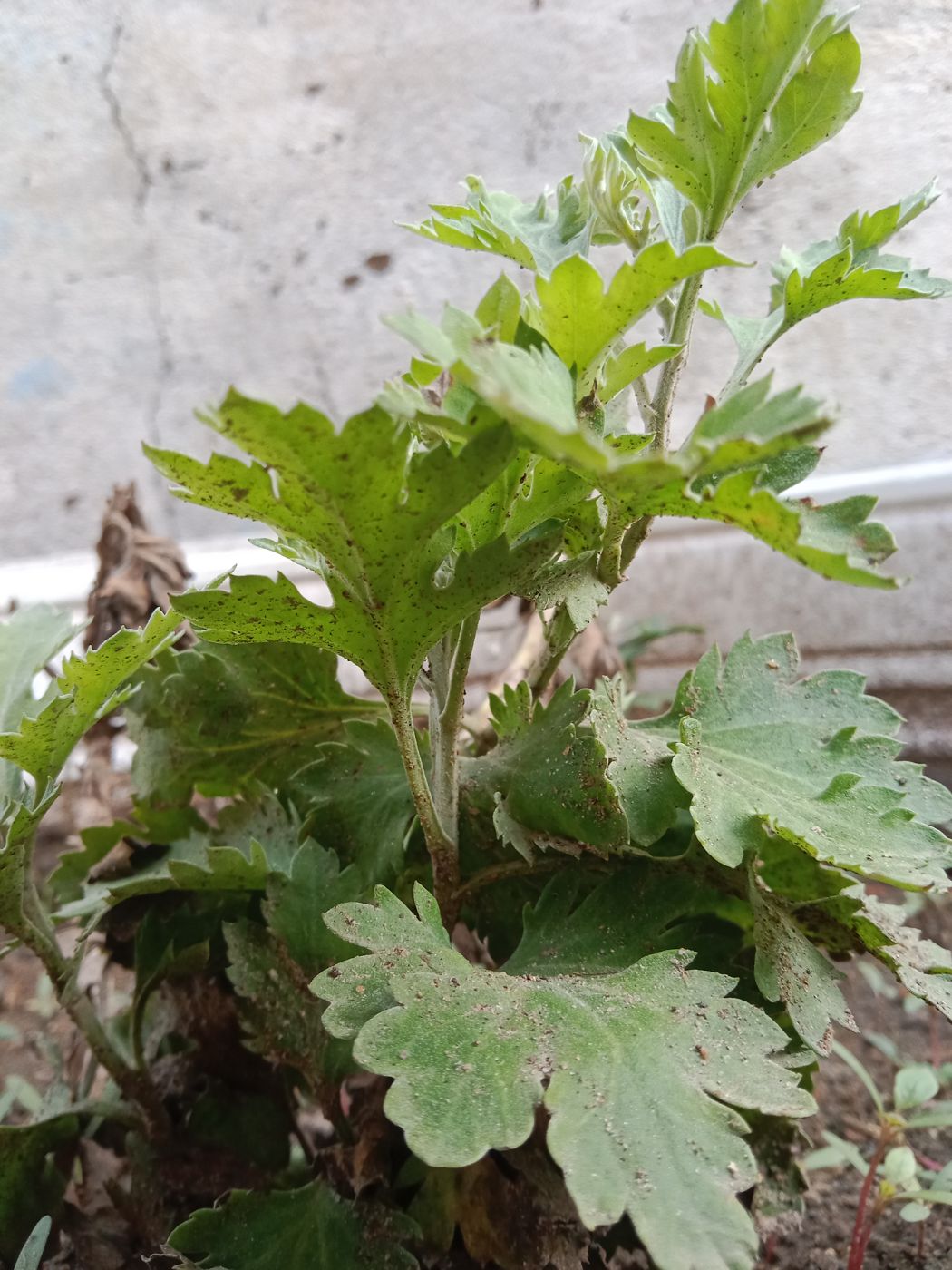 Photo: Tamilselvi v, CC BY-SA 4.0, via Wikimedia Commons
Mugwort (ssuk, 쑥) is the herb of early spring in Korea. Young shoots are picked before they turn bitter and go into ssuk-guk (a clear soup) and, most famously, ssuk-tteok, a green rice cake (tteok). A Korean Cultural Center webzine describes ssuk gaetteok as having a slightly rough texture from the leaf fibers and a grassy, bitter-edged flavor, and notes that the herb appears in Korea's founding legend. The plant itself is covered in ssuk.
The herb in tradition
Mugwort has a place outside the kitchen too. Dried mugwort is the material of moxibustion (tteum, 뜸), a traditional East Asian practice in which heat is applied to the body. The same Cultural Center article says mugwort is traditionally said to warm the body and ease menstrual pain, and that some varieties go into herbal baths. In modern Seoul bathhouse culture (jjimjilbang, mogyoktang), a mugwort bath is sometimes offered as an option: Korea JoongAng Daily describes a private body-scrub shop where guests choose among Dead Sea salt, mugwort or carbonated bath products to soften the skin before scrubbing. It does not attribute any specific effect to the mugwort.
Mugwort in skincare
Korean skincare has taken up mugwort, usually as an extract of Artemisia princeps in soothing essences, creams and sheet masks, marketed for calming sensitive-looking skin. This is a modern product category that draws on the herb's reputation and on the Korean habit of blending foods and herbs into skincare (hanbang beauty).
What the research shows
The evidence is early.
- Cultured cells. A 2017 study on normal human skin cells grown in a dish tested A. princeps extract at low concentrations (0.03 percent or lower; stronger doses reduced cell survival). It found the extract raised activity in genes tied to skin barrier proteins (filaggrin and loricrin) and antioxidant enzymes. It was a cell-culture experiment only, with no animals or people, and the extract was supplied by authors from a cosmetics company.
- Humans. No controlled human trial of A. princeps skincare turned up in our research, and studies of other Artemisia species, such as A. annua, don't necessarily apply to ssuk.
So mugwort cosmetics are best described as traditionally inspired and marketed for soothing, with supporting evidence from laboratory and animal studies only.
Allergy caution
Mugwort belongs to the daisy family, Asteraceae, which includes ragweed, chamomile, chrysanthemum and many other plants. People allergic to these plants or to mugwort pollen may react to mugwort in food, baths or skincare. Contact reactions such as redness, itching or rash are possible with any herbal extract. Patch-test a small area first, avoid applying to broken skin, and stop at any sign of irritation. Anyone with a known Asteraceae allergy should check with a clinician before using mugwort products.
Mugwort is at its best, perhaps, in the spring soup: fragrant, green and seasonal. As a cosmetic ingredient it is an interesting tradition, not a proven treatment.