The Banchan Encyclopedia
Wellness
웰빙
Korean ingredients and food traditions for everyday balance — informational, not medical advice.
13–24 of 29 entries
- Korean Food in Pregnancy임신 중 한식Applying pregnancy food-safety advice to the Korean table: raw seafood and gejang, jeotgal, alcohol, ginseng, seaweed and fish, drawing on US and Korean guidance.
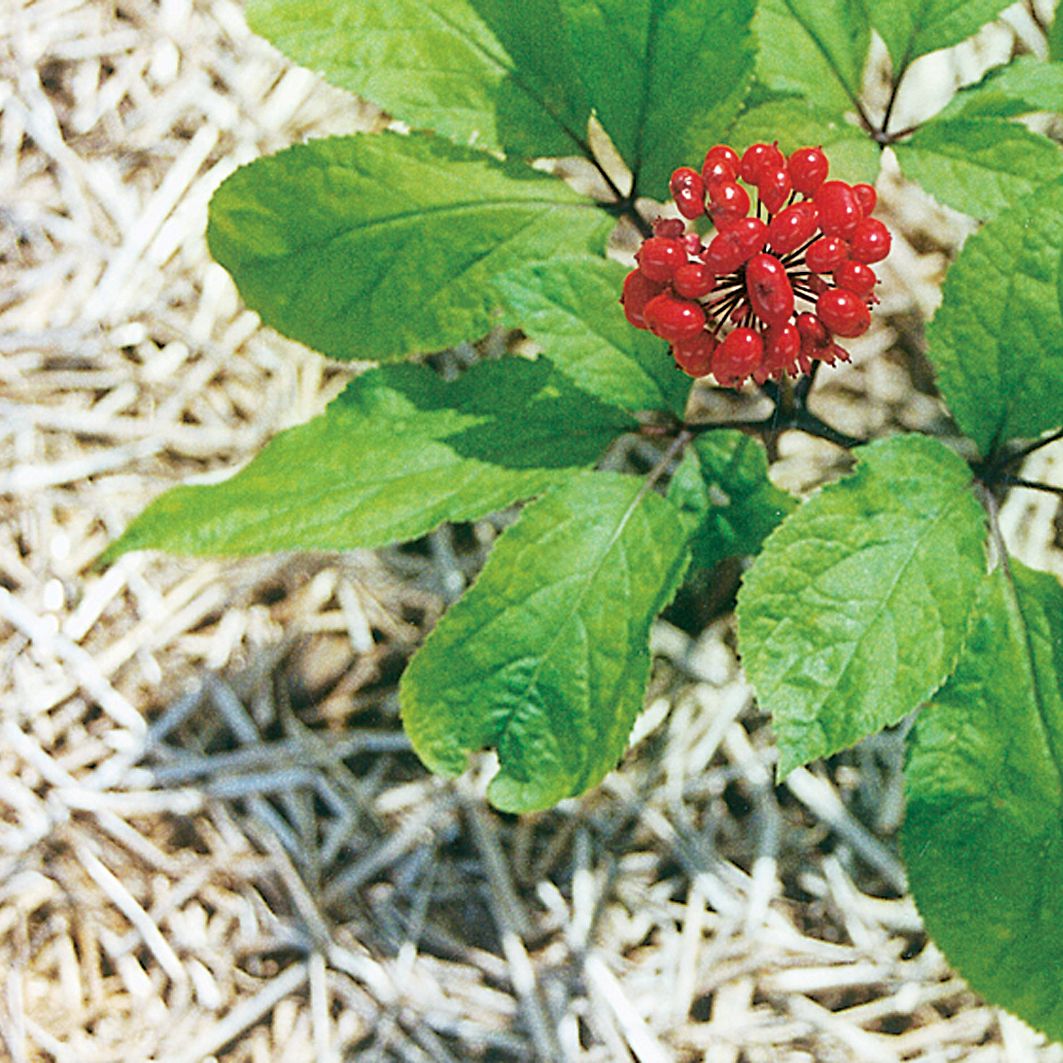 Korean Ginseng: Tradition, Research and Safety고려인삼Fresh, white and red ginseng, what clinical research does and doesn't show, how Korea regulates red ginseng products, and the interactions worth knowing about.
- Plant-Based Korean Eating채식으로 즐기는 한식Which banchan are naturally plant-based, what temple cooking teaches about building flavor without meat, and where fish and seafood hide in everyday Korean dishes.
- Postpartum Food Traditions산후조리와 음식Sanhujori, Korea's tradition of postpartum rest and warm food, and miyeok-guk as a new mother's first meal. What is custom, what research shows, and why iodine deserves attention.
- Seafood, Omega-3s and Mercury생선과 오메가-3, 그리고 수은Fish and shellfish in the Korean diet, what omega-3 fats are, and how US and Korean mercury advice applies to mackerel, anchovies, tuna and other familiar seafood.
- Seaweed and Iodine해조류와 요오드Gim, miyeok and dashima are rich in iodine, in very different amounts. Measured ranges, upper limits, thyroid cautions and the postpartum miyeok-guk tradition.
- Sesame and Perilla Oils참기름과 들기름Korea's two traditional cooking oils: how their fats differ, why perilla oil goes rancid quickly, how to store both, and how they are used.
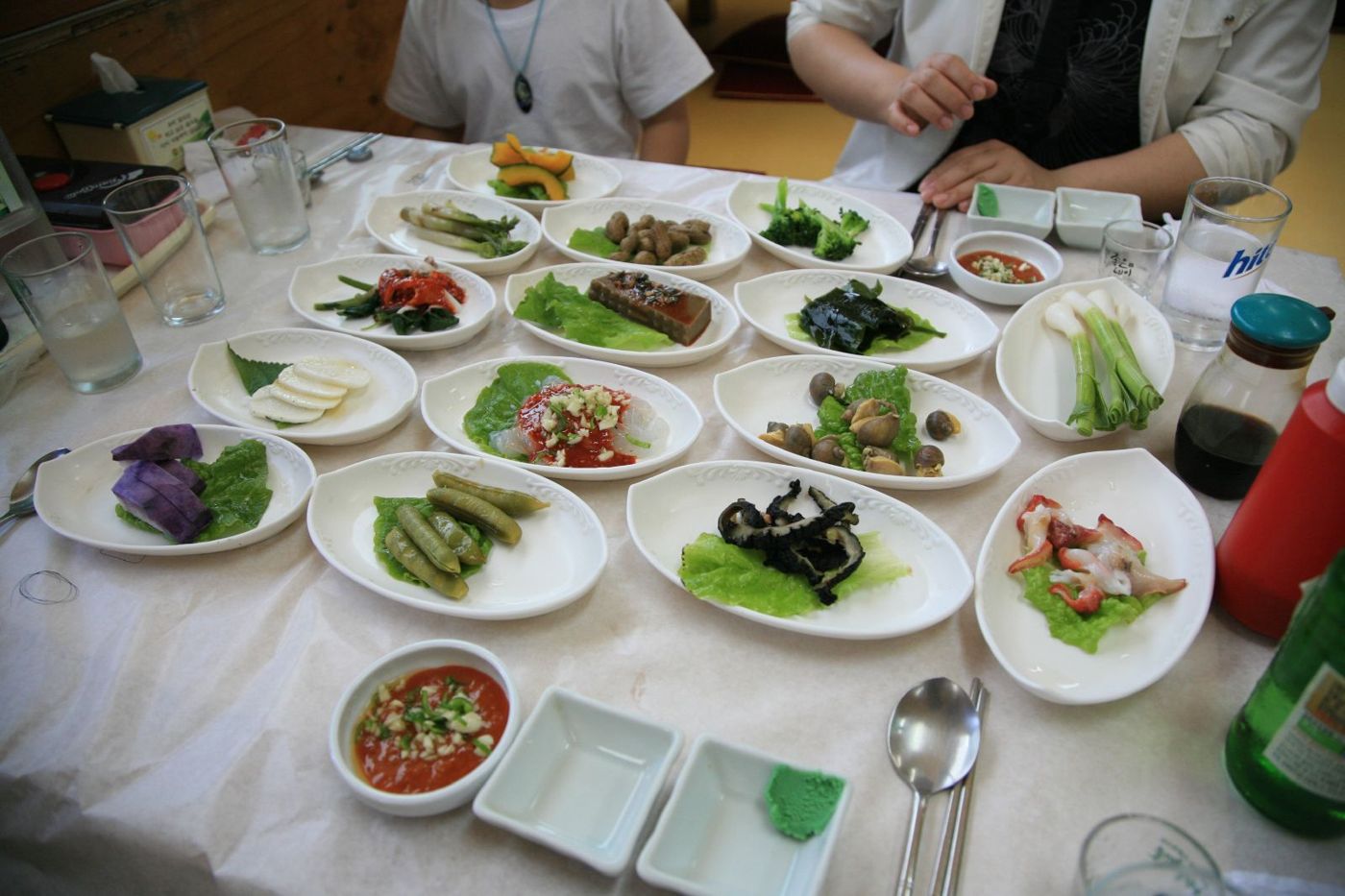 Sharing Banchan: Eating Together함께 나누는 반찬Shared side dishes are the heart of the Korean table. The customs and manners around them, how hygiene habits have changed, and portions that suit sharing.
- Sodium in Korean Food한식과 나트륨Where the salt in Korean cooking comes from, how Korean intake compares with the WHO recommendation, and ways to cut back without losing flavor.
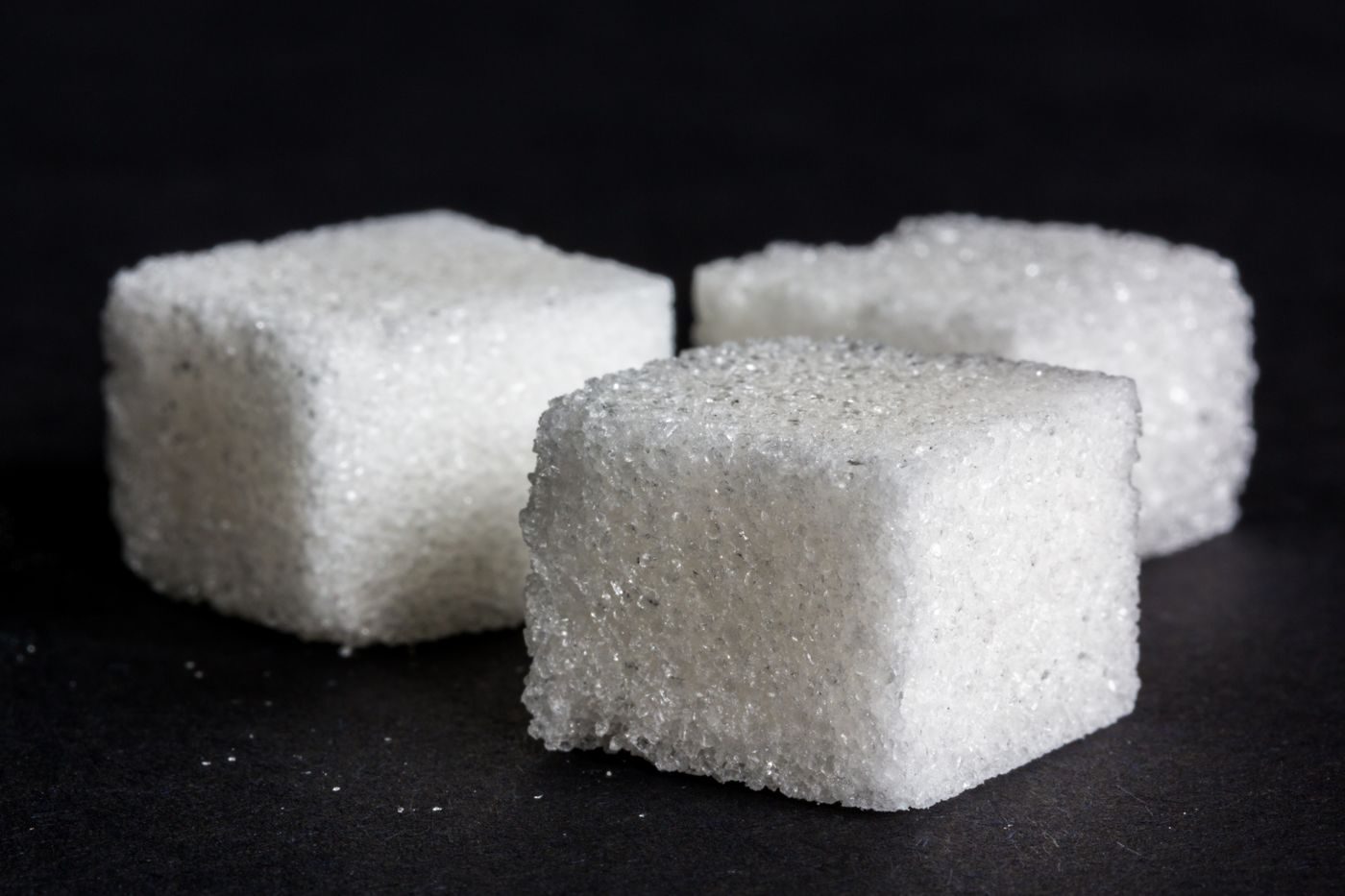 Sugar in Korean Food한식과 당류Where sugar and syrups hide in Korean cooking, from glossy jorim and bulgogi marinades to sweet drinks, how Korean intake compares with WHO advice, and easy ways to cut back.
- The Balanced Korean Meal균형 잡힌 한식 밥상Rice, soup, kimchi and a spread of banchan: how the everyday Korean table is built, and what nutrition research says about it.
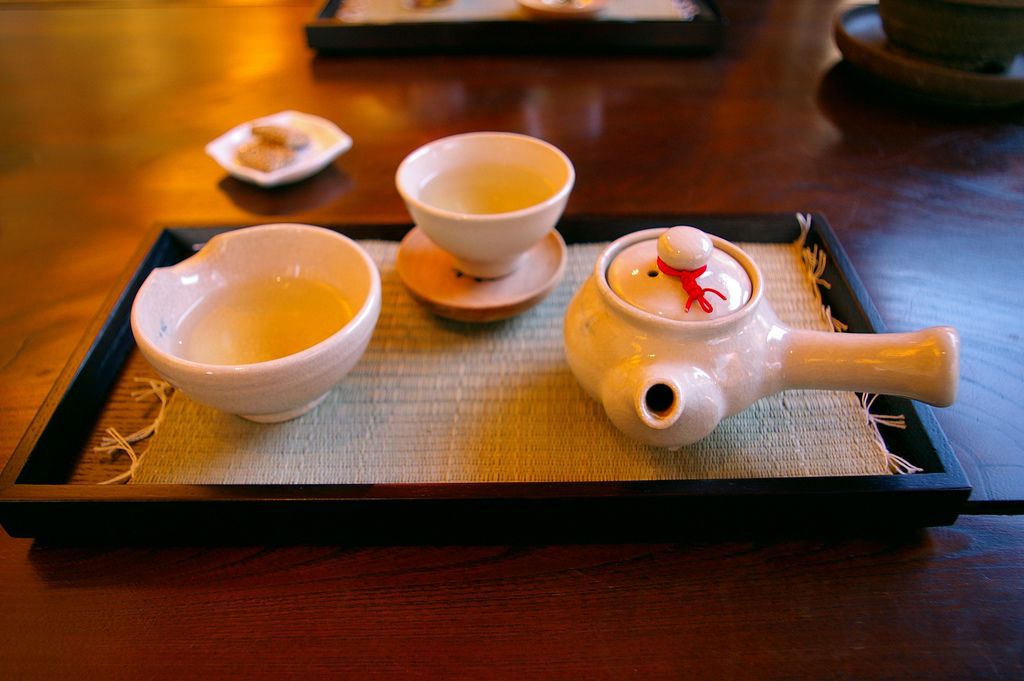 Traditional Korean Teas한국의 전통차Barley, corn, yuja, omija, ginger and jujube: the grain, fruit and root infusions Koreans call cha, how they are made and the traditions around them.